
Falcon Heavy Returns; Russia's Soyuz-5 Rocket Finally Launches

SpaceX's Falcon Heavy makes a comeback as Russia debuts its Soyuz-5 rocket. Get the latest updates on major launches and space exploration missions.
Welcome to this week's comprehensive rocket report, where we dive deep into the latest developments in the aerospace industry and space launch activities. The landscape of powerful rockets continues to evolve rapidly, with several major milestones expected to reshape our understanding of spaceflight capabilities in the coming months. This edition brings together critical updates from leading space agencies and private companies, providing insights into the future of launch vehicle technology and ambitious space exploration goals.
The most anticipated spacecraft in development, SpaceX's Starship, has maintained a relatively measured pace this week as the company prepares for its highly anticipated next test flight. Industry observers expect this pivotal mission to take place sometime in May, marking another critical step in the vehicle's development timeline. The outcomes of this upcoming flight will provide invaluable data that could significantly impact our understanding of the technical hurdles remaining before Starship achieves full operational capability.
Beyond SpaceX's activities, the coming months promise several watershed moments for the entire space industry. Blue Origin's maiden attempt to soft-land its Blue Moon cargo lander on the lunar surface represents a crucial test of commercial lunar capabilities. These two major milestones—Starship's next test flight and Blue Moon's lunar landing attempt—will provide NASA with essential information regarding the agency's ambitious timeline for returning human astronauts to the Moon in 2028. Success or failure in these ventures could dramatically alter the trajectory of America's lunar exploration strategy.
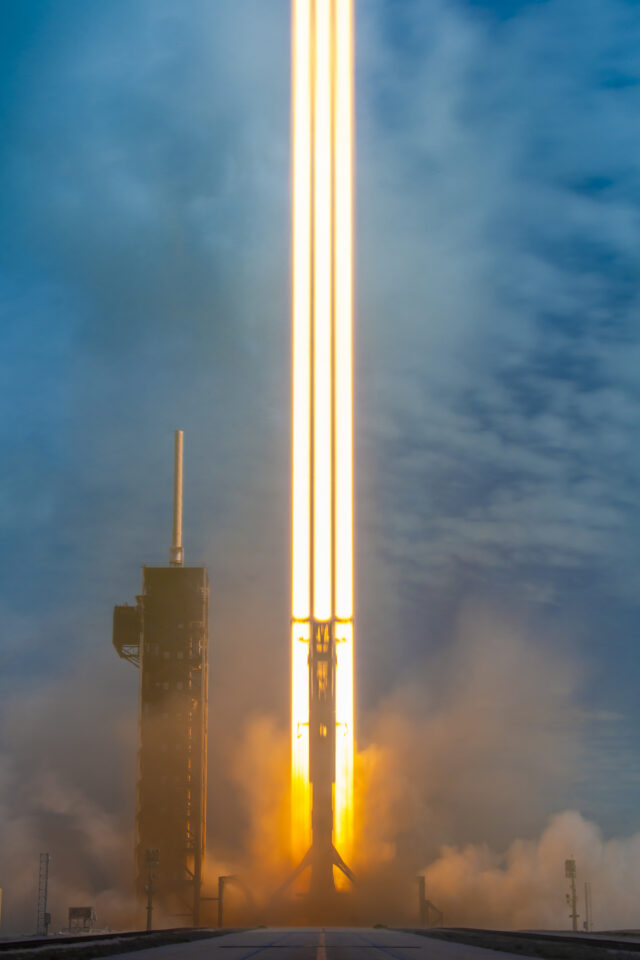
As we continue bringing you the most up-to-date information on the commercial space industry, we want to emphasize the importance of reader engagement and participation. Our reporting team actively welcomes submissions from observers and industry professionals who have insights into upcoming launches and space missions. For those who want to ensure they never miss an edition of our comprehensive rocket launch coverage, subscription options are available through our dedicated signup portal. Subscribers gain exclusive access to detailed analysis and insider information on small-lift, medium-lift, and heavy-lift rocket programs.
Each installment of this rocket report offers a thorough examination of the commercial space sector, covering everything from emerging startups to established aerospace contractors. Our editorial team meticulously curates information about launch vehicles across all categories, providing readers with a complete picture of the global spaceflight landscape. Additionally, we maintain a running calendar of the next three scheduled launches, allowing readers to stay informed about upcoming missions and their significance to broader space exploration objectives.
The aerospace industry has witnessed unprecedented growth in private space companies, fundamentally changing how we approach space access. Companies ranging from established defense contractors to innovative startups are developing next-generation launch systems designed to reduce costs, increase reliability, and expand humanity's presence beyond Earth. This competitive environment has accelerated technological innovation at a pace rarely seen in the history of spaceflight, with new capabilities and achievements emerging regularly.
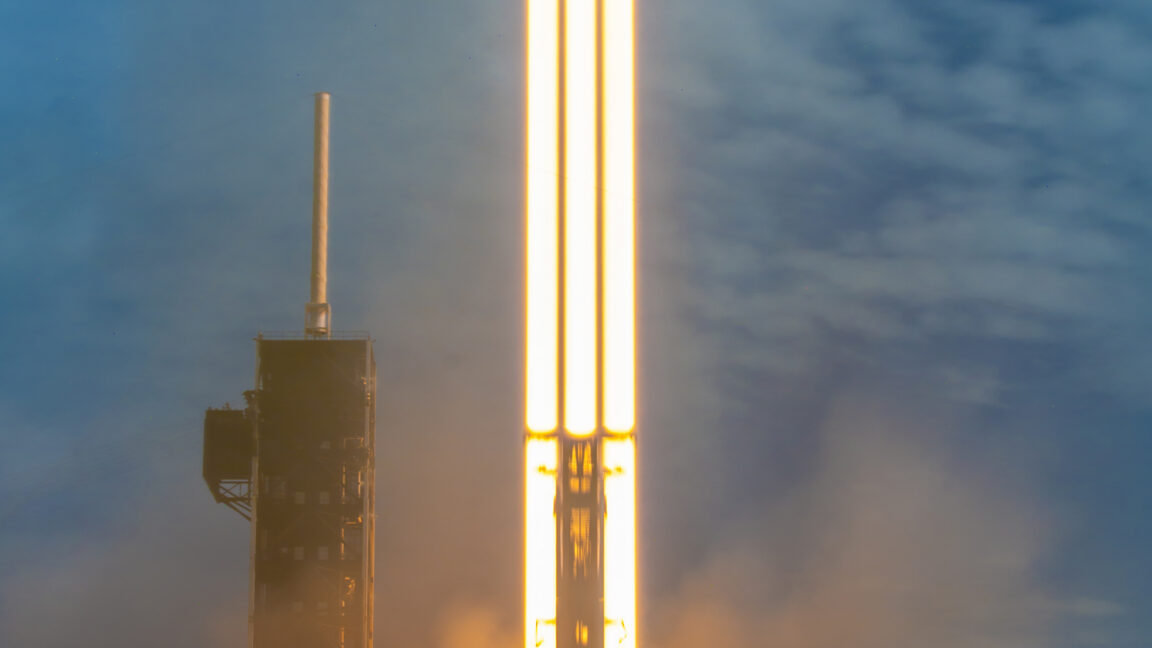
Russia's long-awaited entry into the modern heavy-lift market marks a significant moment in international space competition. The Soyuz-5 rocket represents years of development and represents Moscow's effort to maintain relevance in the increasingly competitive commercial launch sector. This debut flight carries symbolic importance beyond its technical specifications, as it signals Russia's commitment to evolving its launch infrastructure despite economic and geopolitical challenges. The success or failure of this inaugural launch will reverberate through the global space industry and influence international partnerships.
The development of space-based defense systems continues to accelerate, with the US military taking a more active role in shaping the future of orbital infrastructure. Government initiatives focused on space situational awareness and defensive capabilities have spurred innovation across numerous defense contractors and aerospace firms. These developments underscore the growing recognition that space has become a critical domain for national security and military operations.
In related developments, the US Space Force announced a significant expansion of its Space-Based Interceptor program, a critical component of the Pentagon's multi-layered defense architecture. This strategic initiative, sometimes referred to as the Golden Dome program, aims to establish a robust defensive perimeter protecting American territory and interests from emerging threats. The scope and ambition of this program rival some of the largest military infrastructure projects undertaken in recent decades, representing a fundamental shift in how the United States approaches national defense.

Twelve major aerospace companies have been formally designated by the Space Force as participants in the Space-Based Interceptor development effort, announced on April 24. These companies represent a mix of traditional defense contractors and innovative aerospace firms, each bringing unique expertise and capabilities to the table. The selection process was highly competitive, with companies evaluated on their technical proposals, management capabilities, and capacity to deliver systems meeting rigorous military specifications. The diverse portfolio of contractors participating in this initiative should foster healthy competition and drive innovation throughout the program.
The implications of these space-based defense systems extend far beyond military applications. The technological advances required to develop reliable orbital platforms and precision guidance systems have broader applications in commercial spaceflight, satellite operations, and scientific research. The significant investment flowing into these programs will undoubtedly accelerate development of enabling technologies that benefit the entire space industry. This symbiotic relationship between military and commercial space activities has historically been one of the most powerful drivers of innovation in aerospace technology.
As we look toward the remainder of the year, the convergence of major milestones from SpaceX, Blue Origin, and international competitors promises an exciting period for space enthusiasts and industry professionals alike. The success or failure of these near-term missions will fundamentally shape strategic planning at NASA, private space companies, and international space agencies. Readers are encouraged to follow our ongoing coverage as we track these developments and provide expert analysis of their implications for the future of human spaceflight and space exploration.

Our comprehensive coverage of the rocket industry remains committed to providing accurate, timely, and contextual information about all aspects of space launch activities. Whether you're interested in commercial satellite launches, human spaceflight missions, or military space operations, our reporting team delivers the insights you need to understand this rapidly evolving field. We encourage you to stay connected with us as we continue tracking the most significant developments in space exploration and launch vehicle technology throughout 2024 and beyond.
Source: Ars Technica


