
Families of Missing Scientists Battle Online Conspiracy Theories

Relatives of 10 scientists connected to sensitive US research face emotional toll as wild conspiracy theories spread online following deaths and disappearances.
The sudden deaths and mysterious disappearances of at least 10 individuals connected to sensitive US research have triggered a cascade of conspiracy theories across online platforms, leaving grieving families to contend with not only their loss but also a digital firestorm of speculation and misinformation. What began as isolated incidents has evolved into a complex phenomenon where online conspiracy communities have seized upon these tragic events, weaving elaborate narratives that range from plausible to purely fictional. The emotional burden on the relatives of these deceased and missing scientists extends far beyond traditional grief, as they navigate a landscape where their loved ones' legacies become entangled in baseless theories and unfounded claims.
The emergence of these conspiracy narratives reflects a broader pattern of how information—and misinformation—spreads in the digital age. Social media platforms, forums, and alternative news websites have become echo chambers where speculation amplifies and mutates, often bearing little resemblance to established facts. Families report being contacted by strangers claiming to have "uncovered the truth" about their relatives' deaths, while some have encountered deeply disturbing claims that range from accusations of government cover-ups to suggestions of foul play without any credible evidence. These intrusions into private grief represent a modern phenomenon where the boundaries between public discourse and personal tragedy have become dangerously blurred.
Several of the individuals in question were involved in government research projects and scientific work that, while not necessarily classified, dealt with sensitive national interests. This connection to government work has proven fertile ground for conspiracy theorists, who leverage legitimate questions about transparency and accountability to construct increasingly elaborate false narratives. The fact that some deaths remain under investigation or are awaiting final determinations has created information vacuums that conspiracy communities rush to fill with speculation. Families find themselves in an impossible position—grieving their losses while simultaneously watching their relatives' stories be hijacked and distorted beyond recognition.
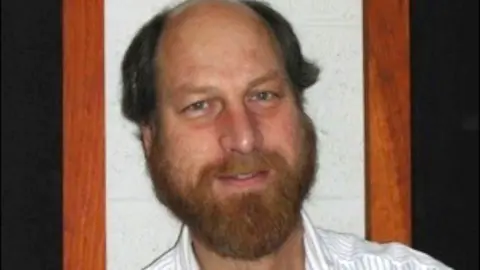
The impact on families has been profound and multifaceted. Some relatives describe feeling violated by the invasive nature of online speculation, while others worry about how false narratives might affect ongoing investigations or taint their loved ones' professional legacies. Parents who have lost children in tragic circumstances now find themselves defending their relatives' memories against wild allegations posted anonymously online. The psychological toll of simultaneous grief and public scrutiny has driven some families to withdraw from social media entirely, creating an additional layer of isolation during an already traumatic period. Mental health professionals note that this phenomenon represents a new form of secondary victimization, where families must contend with both their loss and the viral distortion of that loss.
Investigative journalists and fact-checking organizations have attempted to counter these narratives by examining the actual evidence surrounding each death or disappearance. Their work reveals that most of the incidents have straightforward explanations rooted in documented circumstances, medical conditions, or ongoing police investigations that follow standard protocols. However, the spread of misinformation online often outpaces fact-checking efforts, and corrections rarely achieve the same viral reach as the original false claims. This dynamic—where conspiracy theories spread faster and further than corrections—represents one of the most pernicious aspects of the modern information ecosystem.
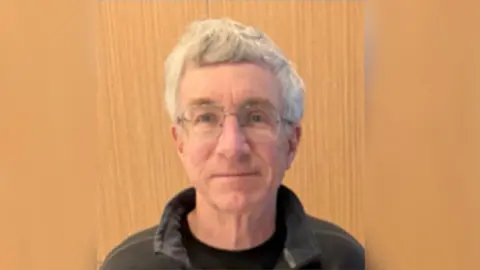
Some of the individuals whose deaths have become the subject of conspiracy theories include researchers in fields ranging from biotechnology to aerospace engineering. Their work, while sometimes sensitive due to its national security implications or cutting-edge nature, does not support the elaborate scenarios being constructed online. For instance, a scientist's death from a heart attack becomes, in conspiracy narratives, evidence of assassination. A disappearance later explained by voluntary departure becomes foul play. The transformation of tragedy into fodder for engagement-driven content represents a fundamental disrespect to the individuals involved and devastating consequences for their families. It raises uncomfortable questions about the responsibility of platforms and content creators in amplifying such narratives.
The role of social media platforms in spreading these theories has come under scrutiny from media watchdogs and family advocates. While platforms have policies against spreading misinformation, enforcement remains inconsistent and often inadequate. Conspiracy communities have become adept at using coded language and subtle rhetorical techniques to circumvent content moderation systems. Moreover, algorithmic recommendation systems can inadvertently amplify conspiracy content by promoting engagement, regardless of its veracity. Families have reached out to platform executives asking for intervention, with varying degrees of responsiveness. Some platforms have taken action in specific cases, while others maintain a hands-off approach unless content violates their most explicit policies.
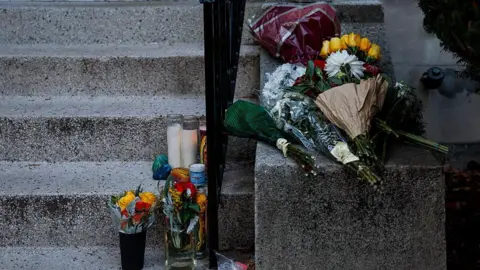
The broader context of distrust in institutions—government, academia, and mainstream media—has created fertile ground for conspiracy theories to flourish. People seeking alternative explanations for tragic events may turn to conspiracy narratives as a way of asserting agency and control in an uncertain world. While understandable from a psychological perspective, this impulse comes at the expense of those who have suffered genuine tragedy. The conspiracy community's narrative frameworks, while intellectually appealing to some, fundamentally misrepresent the nature of how the world works and how institutions actually function. More importantly, they cause real harm to real people who are already suffering.
Several families have chosen to speak publicly about their experiences, hoping that transparency might counter some of the misinformation surrounding their relatives. These courageous individuals have detailed the actual circumstances of their loved ones' deaths or disappearances, providing context that conspiracy theories willfully ignore. They describe the frustration of having to repeatedly correct false claims, explain their relatives' professional work to strangers, and defend against insinuations of cover-ups or complicity. Some have expressed gratitude to journalists who have fact-checked conspiracy claims and presented accurate information, while others remain bitter about the intrusions into their private grieving process.
Moving forward, addressing this phenomenon will require a multifaceted approach. Media literacy initiatives that help people critically evaluate sources and claims could reduce the appeal of conspiracy narratives. Platform accountability measures that make companies more responsible for the content they amplify represent another necessary component. Professional journalists must continue rigorous fact-checking and investigation, while also recognizing when the pursuit of sensational stories contributes to the problem. Most fundamentally, society must acknowledge the real human cost of treating tragedy as raw material for conspiracy speculation. The relatives of these scientists deserve space to grieve without their loss being weaponized for engagement metrics or ideological purposes. As we navigate an increasingly complex information landscape, the dignity and privacy of grieving families must take precedence over the compelling allure of conspiracy theories.
Source: BBC News


