
Farage Under Fire Over Undeclared Donor Helicopter Use

Reform UK leader Nigel Farage faces scrutiny after using a businessman donor's helicopter for campaign rallies without proper declaration.
Nigel Farage, the prominent Reform UK leader, is facing increased scrutiny and parliamentary questions regarding his failure to properly declare the use of a donor's private helicopter for conducting campaign activities and attending rallies across the United Kingdom. The controversy centers on questions of political transparency and the proper disclosure of in-kind donations, raising broader concerns about campaign finance accountability within the party.
The helicopter in question, which Farage has utilized repeatedly for traveling to rally events across the country, belongs to a company owned by Lorenzo Zaccheo, a prominent businessman and significant financial supporter of Reform UK. Records indicate that Zaccheo made a substantial monetary donation of £25,000 to the party in the previous year, establishing a direct financial relationship between Farage and the helicopter's owner. This connection has raised eyebrows among political watchdogs and transparency advocates.
Most recently, Farage was documented using the helicopter following the local elections held on Friday, continuing a pattern of travel that appears to have been ongoing for several months. The timing of these flights during the election cycle has drawn particular attention from critics who argue that such transportation constitutes a valuable in-kind contribution that should be subject to strict disclosure requirements under electoral law and party regulations.
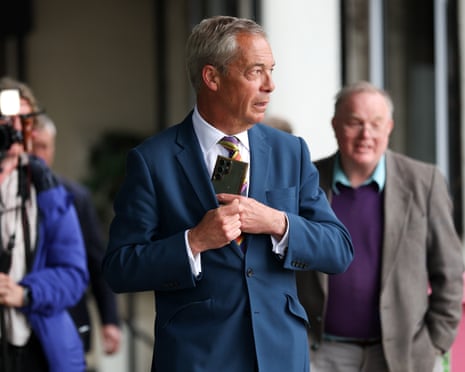
The question of proper declaration is central to this controversy. Political donations, whether monetary or in the form of services and goods, are typically subject to strict regulations designed to ensure transparency and prevent the appearance of improper influence. The use of a private helicopter for campaign travel represents a significant value transfer that could potentially be valued in tens of thousands of pounds, depending on flight duration and frequency.
Electoral transparency rules in the United Kingdom require candidates and party officials to disclose gifts and benefits that could reasonably be considered as donations or contributions to their political activities. The failure to properly register such in-kind contributions can result in regulatory investigations and potential sanctions from the Electoral Commission, the independent body responsible for overseeing campaign finance compliance.
Reform UK, which has positioned itself as a challenger party within British politics, has previously emphasized its commitment to political integrity and anti-establishment principles. However, this incident raises questions about whether the party's practices align with those stated values, particularly regarding the transparency of its funding sources and the proper disclosure of benefits received by its leadership.
The helicopter travel arrangement appears to have begun without formal notification to the appropriate regulatory authorities. The pattern of use, spanning multiple rally events across various regions of the country, suggests that this was not a one-off arrangement but rather an ongoing benefit provided through the businessman's company. This distinction is important in regulatory terms, as systematic provision of transportation services carries different implications than isolated instances of assistance.
Lorenzo Zaccheo, while not a household name in British politics, has become notable for his willingness to support Reform UK financially and operationally. Beyond the direct monetary donation, his provision of helicopter access suggests a deeper level of commitment to the party's success and to Farage's personal profile-raising activities. The nature and extent of this relationship, particularly whether any arrangements exist regarding future support, remains unclear and may be subject to further investigation.
The donation declaration process in British politics requires meticulous record-keeping and regular reporting to the Electoral Commission. Party officials are expected to maintain detailed logs of all contributions received, including the identity of donors, the value of contributions, and the dates on which they were received. For in-kind donations such as transportation services, the process becomes more complex, requiring good-faith estimates of the market value of services provided.
Broader implications of this case extend to questions about how political parties handle in-kind contributions more generally. The distinction between acceptable business relationships and improper quid pro quo arrangements is often blurry, particularly when donors are business figures who may have interests that could be affected by government policy. Regulators must balance the legitimate right of individuals to support political causes with the public interest in preventing systemic corruption and the appearance of undue influence.
The timing of the helicopter use is also noteworthy. The recent local elections represented a significant political moment for Reform UK and for Farage personally, as the party sought to demonstrate its growing electoral appeal and establish itself as a serious contender in British politics. The ability to campaign extensively across the country using private helicopter transportation would have provided considerable logistical advantages over traditional campaigning methods, potentially allowing Farage to maximize his visibility and reach multiple events in a single day.
Political observers have noted that this incident occurs within a broader context of scrutiny regarding campaign finance practices across the political spectrum. While major parties have occasionally faced criticism for improper donations or inadequate disclosure, the case against Farage and Reform UK is particularly significant given the party's relatively recent emergence as a political force and the need for public confidence in its commitment to proper governance standards.
Questions now being raised include whether Farage personally bears responsibility for the declaration failure, whether party officials failed in their oversight duties, or whether there was deliberate non-compliance with regulatory requirements. The answers to these questions could significantly impact Reform UK's standing with voters who have cited a desire for political change and greater integrity in British politics as reasons for supporting the party.
As this matter develops, the Electoral Commission is expected to examine whether the helicopter usage constitutes a reportable donation under current electoral law. The outcome of any investigation could set important precedents for how in-kind political contributions are handled in future campaigns and may result in clarifying guidance regarding the responsibilities of candidates and parties in disclosing such benefits.
Source: The Guardian


