
Fatah Leadership Elections Amid Palestinian Discontent

Palestinian Fatah party holds rare leadership elections as new polls reveal widespread discontent among ordinary citizens with party leadership and governance.
In a significant political development that underscores ongoing tensions within Palestinian society, the Fatah faction has convened for a rare gathering to elect its top decision-making officials. However, the leadership elections have coincided with mounting evidence that Palestinian public opinion is turning increasingly critical of both the party establishment and its senior leadership, revealing a widening gap between political elites and the communities they represent.
The timing of these party elections is particularly noteworthy as independent polling organizations have documented a sharp rise in dissatisfaction among ordinary Palestinians regarding the direction and effectiveness of their political representatives. Multiple surveys conducted over recent months show declining confidence in institutional leadership, with citizens expressing frustration over economic stagnation, perceived corruption, and what many view as a disconnect between party priorities and grassroots concerns.
Fatah, which has served as the dominant political force in Palestinian governance for decades, faces an unprecedented challenge to its legitimacy as internal party mechanisms attempt to refresh leadership structures. The faction's electoral process, while historically significant as a rare occurrence in Palestinian politics, appears unlikely to address the deeper structural grievances that have fueled public discontent across different demographic groups and geographic regions.
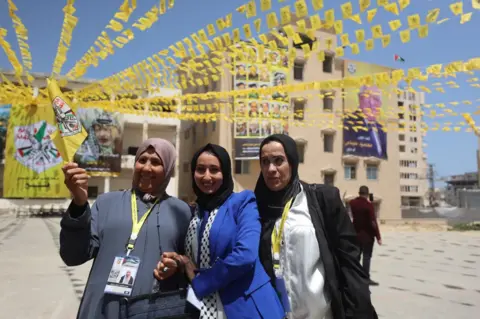
The electoral gathering represents an important moment for the party to demonstrate responsiveness to constituent concerns, yet early indications suggest that the focus remains primarily on internal organizational matters rather than addressing the policy failures that have eroded public trust. Senior party officials have emphasized the significance of the democratic process within Fatah's structures, though critics argue that such internal party mechanisms cannot substitute for broader institutional reforms or renewed commitment to serving Palestinian interests.
Survey data reveals that Palestinian citizens across various sectors express particular concern about economic hardship, inadequate public services, and what they perceive as political stagnation at the national level. The polling results demonstrate that dissatisfaction transcends traditional political divisions, affecting support for multiple factions and reflecting a more fundamental crisis of confidence in existing political institutions and leadership approaches.
The leadership vacuum and apparent disconnect between political elites and the population they serve has created space for alternative voices and movements to gain traction among younger Palestinians who have grown up entirely under current political arrangements. This generational dimension adds urgency to questions about whether traditional parties like Fatah can reinvent themselves to address contemporary challenges or whether structural reforms in Palestinian governance may be necessary.
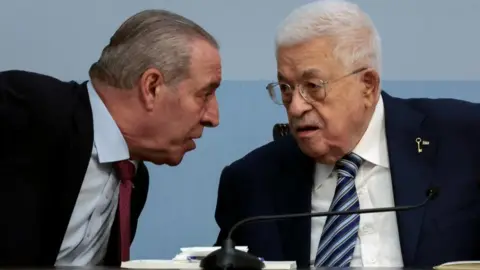
Economic factors have emerged as a primary driver of public frustration, with Palestinians experiencing persistent unemployment, inadequate wage growth, and limited opportunities for economic advancement in many regions. The Palestinian leadership has faced mounting criticism for failing to implement effective economic development strategies or to adequately negotiate conditions that would improve living standards for ordinary citizens living under constrained circumstances.
Corruption allegations and questions about financial accountability within Palestinian institutions have further amplified public skepticism about the competence and trustworthiness of current office holders. Various transparency organizations and local civil society groups have documented concerns about resource allocation, procurement practices, and the concentration of wealth and power among connected elites, creating additional pressure on Fatah as the institutionally dominant faction.
The rare nature of these leadership elections underscores how infrequently Fatah has subjected its top decision-makers to formal electoral accountability within party structures. Political observers note that this relative absence of internal democratic processes has contributed to the perception that the party operates as an entrenched establishment disconnected from the needs and aspirations of the broader Palestinian population.
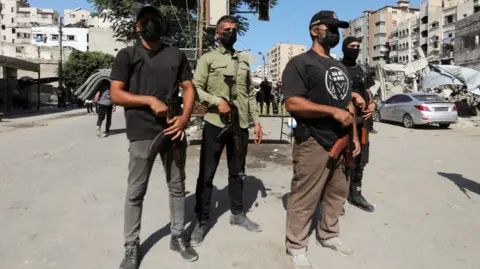
Palestinian governance has increasingly become defined by what critics describe as a credibility crisis, wherein public institutions struggle to demonstrate effectiveness or responsiveness despite their formal authority and claimed mandate to represent national interests. The convergence of economic stagnation, political immobility, and internal party conflicts has created conditions wherein fundamental questions about institutional legitimacy and future political arrangements are being actively debated among Palestinian intellectuals, activists, and ordinary citizens.
International observers monitoring Palestinian political developments have noted that these internal tensions occur against a backdrop of broader regional instability and external pressures that constrain Palestinian decision-making autonomy. Nevertheless, analysts emphasize that responsibility for addressing public dissatisfaction ultimately rests with Palestinian institutions themselves, which must demonstrate meaningful commitment to reform and renewed engagement with constituent concerns.
The success or failure of the current Fatah leadership elections in addressing public discontent will likely have significant implications for Palestinian political trajectories in coming years. If the party can utilize this electoral moment to signal commitment to institutional renewal and policy responsiveness, it may begin to rebuild confidence among skeptical constituencies; conversely, if the elections are perceived as mere procedural exercises that leave fundamental problems unaddressed, they may further accelerate the already evident erosion of public support for traditional Palestinian political structures.
Moving forward, Palestinian political leaders across all factions will face intensifying pressure to demonstrate concrete results and genuine commitment to improving conditions for the citizens they represent. The current moment of elevated discontent, while challenging for incumbent elites, also presents an opportunity for political renewal if leadership can embrace the reform imperatives that public opinion has clearly articulated through successive surveys and ongoing civic expressions of dissatisfaction.
Source: BBC News


