
Favela Gunfight Traps 200 Tourists on Rio Hilltop

Police operation in Vidigal favela leaves tourists stranded on Morro Dois Irmãos. Access route blocked during armed confrontation with gang members.
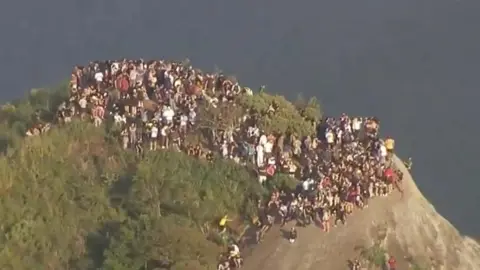
A tense situation unfolded in one of Rio de Janeiro's most visited tourist destinations when a police gunfight with favela gang members resulted in approximately 200 visitors becoming trapped on the scenic hilltop of Morro Dois Irmãos. The incident occurred during an active security operation in Vidigal, the famous hilltop favela community known for its panoramic views of Rio's iconic beaches and the Atlantic Ocean.
The access route to Morro Dois Irmãos was completely blocked as law enforcement engaged in a firefight with local gang members, preventing tourists from descending the popular hiking trail. The situation created a period of intense anxiety among the stranded visitors, who found themselves caught between the escalating violence and the blocked pathway that served as their only means of escape from the hilltop.
Vidigal favela, perched on a hillside overlooking Ipanema and São Conrado beaches, has become an increasingly popular tourist destination in Rio de Janeiro in recent years, attracting visitors from around the world seeking authentic cultural experiences and breathtaking vantage points. The community's transformation into a tourist hub has brought economic opportunities but also heightened tensions between local residents, informal tourism operators, and criminal organizations that operate within the favela.

The police operation targeting gang activity in Vidigal represents ongoing efforts by Rio de Janeiro authorities to combat organized crime in the city's sprawling informal settlements. These operations, while necessary for public safety, frequently disrupt daily life in the communities and can pose unexpected dangers to tourists unaware of the complex security situation within favelas. The incident highlights the delicate balance between promoting tourism and managing the serious gang violence that persists in many Rio neighborhoods.
Witnesses described moments of panic as tourists realized they could not leave the hilltop while the gunfight raged below them. Tour guides and local residents worked to keep visitors calm and informed as the situation developed, sheltering them in safe locations away from the conflict zone. The prolonged standoff tested the nerves of those trapped, many of whom were visiting the location for the first time and were unfamiliar with the security challenges that occasionally affect Rio's tourist areas.
The Vidigal favela gang violence reflects broader challenges facing Rio de Janeiro, where criminal organizations compete for control of drug trafficking routes and territory. These gangs often engage in armed confrontations not only with police but with rival criminal factions, creating unpredictable and dangerous situations that can impact unsuspecting civilians and tourists. The proliferation of such incidents has become a concern for Rio's tourism industry, which relies heavily on visitor confidence and safety perceptions.
Authorities eventually secured the area and began the process of safely guiding the trapped tourists down from Morro Dois Irmãos once the immediate threat had been neutralized. Local officials coordinated with tour operators to ensure that visitors were escorted safely through the favela and back to their hotels or transportation. The incident prompted discussions about enhanced safety protocols for popular tourist attractions located within or near favela communities.
This incident is not isolated, as Rio de Janeiro has experienced recurring instances where favela security operations have disrupted tourism and daily activities in the city. The city's unique geography, with favelas often situated in close proximity to affluent neighborhoods and major tourist attractions, creates complex security challenges. Morro Dois Irmãos and similar locations offer unparalleled views and cultural authenticity, but their positioning within active gang territories introduces inherent risks that tourism authorities struggle to mitigate effectively.
Tourism industry representatives acknowledged the incident while emphasizing that such occurrences remain relatively rare and that Rio continues to offer compelling attractions for international visitors. However, they also called for increased investment in security measures and community development programs that might help reduce the underlying causes of gang violence in Rio's favelas. The incident raises important questions about the responsibility of tour operators to adequately inform visitors about potential security risks and the appropriate protocols to follow during emergencies.
Community leaders in Vidigal expressed frustration that security operations, while sometimes necessary, often come with collateral consequences for residents and businesses that depend on tourism revenue. They advocated for more coordinated approaches that balance crime-fighting objectives with minimal disruption to the community's economic activities. These discussions underscore the complex relationship between formal law enforcement, organized crime, and the civilian populations caught in between.
The Brazilian government has implemented various pacification programs aimed at reducing violence in Rio's favelas, though results have been mixed and inconsistent. These initiatives attempt to combine increased police presence with social services and economic development, though funding challenges and entrenched criminal interests have limited their overall effectiveness. The Vidigal incident demonstrates that despite these efforts, sudden security crises can still occur with little warning.
Moving forward, tourism authorities in Rio de Janeiro are likely to review and enhance safety protocols for popular attractions in favela areas. This may include better communication systems between police, tour operators, and tourism businesses, as well as more frequent briefings to visitors about local conditions. Additionally, discussions continue about whether certain attractions should have restricted access during periods of elevated gang activity or police operations.
The incident affecting the 200 trapped tourists serves as a reminder of Rio de Janeiro's ongoing struggle to maintain its position as a world-class tourist destination while managing significant security challenges. The city's natural beauty, vibrant culture, and unique attractions continue to draw millions of visitors annually, yet the reality of organized crime and gang violence remains an undeniable aspect of the urban landscape. As Rio continues to develop and promote tourism, addressing these fundamental security issues remains essential for ensuring visitor safety and supporting sustainable tourism growth.
Source: BBC News


