
FBI Director Comey Indicted Over Seashell Instagram Post

Former FBI Director James Comey faces two felony charges after posting seashell photos on Instagram. The Justice Department claims the images contain veiled threats against the president.
In a dramatic escalation of political tensions, the Justice Department has filed unprecedented criminal charges against James Comey, the former Federal Bureau of Investigation director, centering on an innocuous photograph of seashells posted to social media. The charges represent a significant moment in the ongoing contentious relationship between the ex-law enforcement official and the current presidential administration, marking what many observers view as a troubling intersection of politics and criminal prosecution.
The Justice Department indictment alleges two serious felonies: making a threat against the sitting president and transmitting that alleged threat across state lines via social media platforms. These charges emerged on Tuesday, adding another chapter to the turbulent history between Comey and the nation's chief executive, who has long characterized the former FBI director as a political adversary and one of his principal enemies within the federal government establishment.
According to the formal indictment documents, prosecutors contend that the seashell numbers visible in Comey's photograph constitute language that a reasonable person would interpret as a serious expression of intent to cause harm to the President of the United States. This interpretation of coded or symbolic messaging in what appeared to be a casual beach photograph has drawn considerable scrutiny from legal scholars and civil liberties advocates who question the boundaries of protected speech and the proper use of federal prosecutorial power.
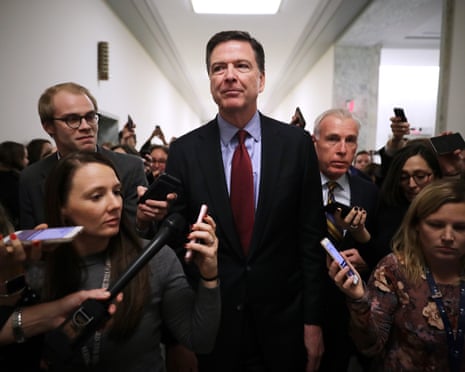
Comey has firmly maintained his innocence and denied any wrongdoing, releasing a video statement addressing the charges with characteristic composure and defiance. In his response, the former intelligence official acknowledged the recurring nature of legal challenges he faces, stating: "Well, they're back. This time, about a picture of seashells on a North Carolina beach a year ago. And this won't be the end of it, but nothing has changed with me. I am still innocent. I am still not afraid. And I still believe in the independent federal judiciary. So, let's go."
The former director's statement reflects a broader concern about the politicization of the criminal justice system and the weaponization of prosecutorial authority. Comey emphasized the gravity of the moment, urging Americans to remember fundamental principles of democracy and institutional integrity. He expressed deep concern about the direction of the Justice Department under current leadership, warning that these actions represent a departure from the nation's core values and established norms of prosecutorial conduct.

In his extended commentary, Comey elaborated on his conviction that the legal system and the rule of law remain paramount to the functioning of the American republic. "It's really important that all of us remember – this is not who we are as a country, this is not how the Department of Justice is supposed to be, and the good news is we get closer every day to restoring those values. Keep the faith," he declared, appealing to citizens to maintain hope in the eventual restoration of institutional norms and the independence of federal law enforcement agencies.
The indictment of Comey comes amid broader tensions surrounding the administration's approach to investigating and prosecuting perceived political opponents. Legal experts have raised serious questions about whether the charges meet constitutional muster under the First Amendment, which protects freedom of speech, even when that speech is provocative, offensive, or critical of government officials. The interpretation of a beach photograph as containing encoded threats pushes the boundaries of what courts have traditionally recognized as prosecutable threats.

This case also highlights the broader challenge of digital communication in the modern political environment, where images, symbols, and numbers can be subject to multiple interpretations. The administration's aggressive prosecutorial stance against Comey represents one of the most high-profile applications of federal charges against a former government official based on social media content, setting potential precedents for how political speech is treated within the criminal justice system.
The political implications of the Comey indictment extend far beyond the immediate legal question of guilt or innocence. For supporters of the former FBI director, the charges exemplify what they view as a troubling pattern of using federal power to settle personal and political scores. For critics of Comey's tenure at the FBI, particularly his handling of various high-profile investigations, the prosecution represents a long-awaited accountability moment.
Beyond the Comey case, the news cycle continues to reflect broader conversations about surveillance, privacy, and technology in American society. In a related development, major entertainment venues are beginning to implement facial recognition technology in their operations, with Disneyland becoming one of the most high-profile adopters of this controversial surveillance capability at theme parks nationwide.

The Comey prosecution represents a critical juncture in American jurisprudence regarding the relationship between political power, criminal justice, and the protection of civil liberties. As the case proceeds through the courts, it will inevitably shape broader conversations about accountability, the limits of prosecutorial discretion, and the appropriate role of the federal government in pursuing charges against political adversaries. The outcome of this highly publicized trial may have significant implications for how courts interpret threats, political speech, and the proper boundaries of federal power in future cases.


