
FBI Plans Nationwide License Plate Camera Network

The FBI seeks contracts for real-time license plate reader access across the US to track vehicles and manage security threats nationwide.
In a significant move toward enhanced national security surveillance capabilities, the Federal Bureau of Investigation has publicly announced its intention to establish comprehensive nationwide license plate reader access, soliciting bids from vendors capable of delivering real-time vehicle tracking information across all United States territories. The ambitious initiative represents a major expansion of the bureau's technological infrastructure for monitoring and identifying vehicles of interest on American roads and highways.
According to the official FBI Request for Proposals released on May 14, the contract specifically targets the FBI Directorate of Intelligence division and represents a critical investment in law enforcement surveillance technology. The agency emphasized that this new system is essential for their operational mandate, stating that "to evaluate and manage threats to personal safety, property, and law enforcement, the FBI requires professional service firms that can provide License Plate Readers (LPRs) for tracking subjects on roads and highways over the US and its territories." This strategic procurement reflects the growing importance of automated vehicle identification systems in contemporary law enforcement operations.
The successful vendor or vendors selected for this contract must be capable of integrating both law enforcement and commercial license plate reader data sources through their existing platforms and infrastructure. A critical requirement stipulates that the winning contractor's system must achieve coverage across at least 75 percent of locations nationwide, ensuring comprehensive geographic reach and operational effectiveness. This coverage threshold demonstrates the FBI's commitment to creating a truly national surveillance network rather than a piecemeal regional approach.
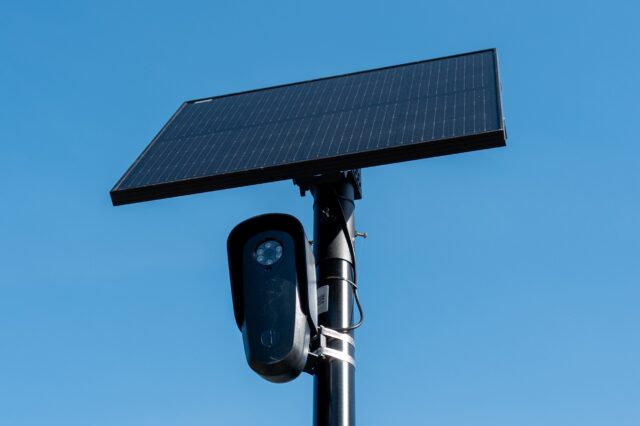
The technical specifications outlined in the contract are notably sophisticated and demanding. The system must enable searchers to query license plate information alongside supplementary descriptive data elements including detailed vehicle descriptions, precise timestamps and dates, and geographic location criteria. This multifaceted search capability would allow agents to construct complex queries combining multiple data points to locate and identify specific vehicles across the country. The platform must support these advanced search functionalities across a distributed network of cameras spanning the entire continental United States and all American territories.
Beyond basic search capabilities, the FBI has emphasized the critical importance of real-time data delivery and notifications. According to the procurement documentation, "the system must provide search result notifications," enabling law enforcement personnel to receive immediate alerts when queried vehicles are detected by connected camera networks. This near real-time data requirement represents a significant technological challenge, as it demands the aggregation, processing, and delivery of data from thousands of independent camera sources across diverse jurisdictions and private networks operating under different technical standards.
The contractor system must demonstrate the technical capability to "access and/or query cameras across the United States and its territories," indicating that the FBI is seeking a unified platform capable of bridging disparate camera networks operated by various municipalities, private companies, and other entities. The complexity of achieving this interoperability across so many different systems and operators cannot be understated, as it requires not only significant technical infrastructure but also extensive coordination and data-sharing agreements with thousands of potential camera operators nationwide.
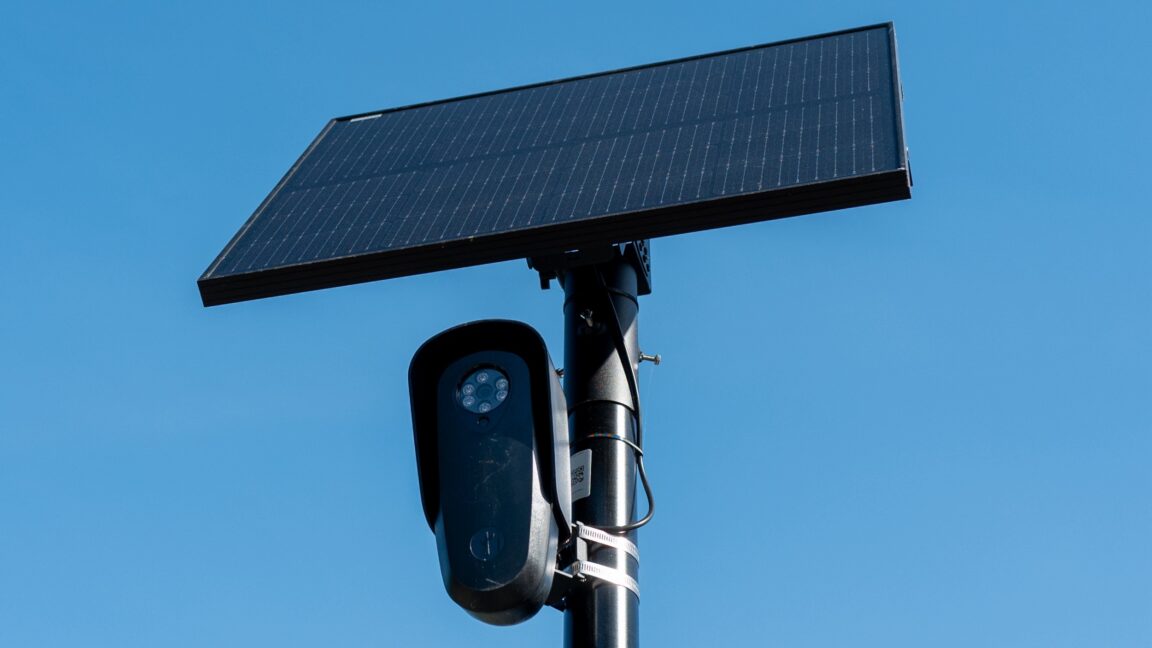
The emphasis on real-time vehicle tracking capabilities represents a substantial escalation in surveillance potential compared to existing systems. Traditional license plate reader networks typically function with significant delays between capture and data availability, but the FBI's specification for near-real-time delivery would enable substantially faster identification and location of vehicles of interest. This technological capability could dramatically improve law enforcement response times while simultaneously raising significant privacy and civil liberties concerns among privacy advocates and civil rights organizations.
The scope of this procurement also highlights the expanding role of data collection infrastructure in national security operations. By centralizing access to license plate reader data from commercial and law enforcement sources, the FBI would be creating an unprecedented resource for vehicle tracking and movement pattern analysis. The ability to correlate license plate information with vehicle descriptions, timestamps, and geographic data creates a comprehensive vehicle surveillance capability that extends far beyond traditional investigative tools.
The contract announcement comes at a time of increasing scrutiny regarding surveillance practices and data privacy in the United States. While the FBI frames this initiative as necessary for public safety and threat assessment, the system's potential for mass surveillance and the collection of movement data on millions of innocent civilians has generated substantial debate within privacy advocacy communities. The ability to track vehicles in real-time across the nation raises important questions about Fourth Amendment protections against unreasonable search and seizure, as well as broader constitutional concerns regarding privacy rights.

The procurement process itself represents an important moment for the technology vendors competing for this lucrative contract opportunity. Multiple vendors may be selected to provide complementary services, suggesting the FBI's recognition that no single vendor currently possesses a comprehensive national license plate reader network. This multi-vendor approach could foster competition and innovation while also ensuring redundancy and reliability in the system's operation.
As the FBI proceeds with this ambitious national surveillance expansion, questions remain about oversight mechanisms, data security protocols, and the legal framework governing access to collected information. The technological capability to track vehicles across the nation in near-real-time significantly outpaces existing regulatory frameworks and raises important policy questions that Congress and civil society may need to address. The outcome of this procurement process will likely influence the future direction of vehicle surveillance capabilities across American law enforcement agencies and may establish precedents for data integration and sharing among federal agencies.
The announcement of this contract solicitation marks a crucial juncture in the evolution of American law enforcement surveillance technology. The integration of commercial and law enforcement license plate reader data into a unified national system represents both a significant technological achievement and a major policy decision with profound implications for privacy, civil liberties, and the balance between security and individual freedom in the digital age.
Source: Ars Technica


