
FBI Probe Into NYT Reporter Over Patel Girlfriend Story

The New York Times reports the FBI investigated reporter Elizabeth Williamson after her story on security arrangements for FBI director Kash Patel's girlfriend.
In a significant development raising concerns about press freedom and potential government overreach, the New York Times has disclosed that the FBI opened an investigation into one of its reporters following the publication of a controversial story. The inquiry, which centered on journalist Elizabeth Williamson, emerged in the wake of reporting that raised substantial questions about the use of federal resources for personal purposes by a high-ranking government official.
According to the Times' own reporting released on Wednesday, the federal investigation into Williamson commenced in March of this year. The catalyst for this inquiry was a news article authored by the reporter that detailed allegations concerning Kash Patel, who currently serves as the FBI director. The story examined whether Patel had utilized FBI resources to provide security protection and arrange transportation for his girlfriend, country music artist Alexis Wilkins.
The timing of the investigation proved particularly sensitive given the high-profile nature of both the subject matter and the individuals involved. The article in question had raised legitimate questions about the appropriate use of federal resources and whether established protocols regarding the personal security arrangements of government officials' family members had been properly followed. This situation underscores the delicate balance between national security concerns and the public's right to know about potential misuse of government resources.
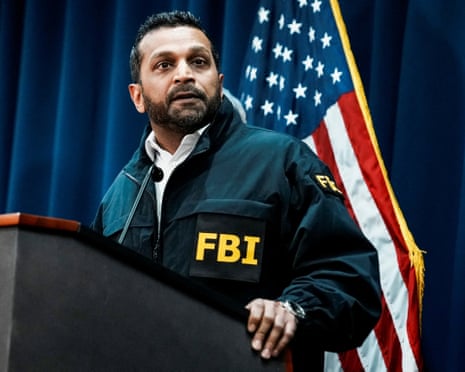
The revelation of the FBI investigation into the reporter highlights ongoing tensions between the federal government and the press regarding matters of public interest. When government agencies investigate journalists for their reporting, it raises important questions about press freedom, the chilling effect such investigations may have on future reporting, and the potential for intimidation of members of the media who are simply fulfilling their constitutional duty to inform the public. The investigation into Williamson suggests a pattern that watchdog groups and press advocates say warrants careful scrutiny.
Kash Patel's background and rise to prominence have made him a figure of considerable interest in political circles. As FBI director, Patel holds one of the most powerful law enforcement positions in the United States, overseeing extensive operations and commanding significant resources. The allegations concerning the use of federal resources for personal security arrangements for his girlfriend consequently carry implications that extend beyond mere personal conduct to questions about the stewardship of public assets and institutional integrity.
Alexis Wilkins, identified in the Times reporting as a country singer, found herself at the center of this controversy. The nature of her relationship with Patel and the security arrangements surrounding her raised eyebrows among federal oversight advocates and government ethics experts who questioned whether standard protocols had been observed. The disclosure of such arrangements through the Times' reporting prompted the federal investigation that would subsequently target the journalist who broke the story.
Elizabeth Williamson's experience with the FBI investigation reflects broader concerns within the journalistic community about potential retaliation against reporters pursuing stories involving powerful government officials. Journalists across the country closely followed the development, recognizing the precedent that such investigations might establish. The question of whether a news organization and its reporters could face federal scrutiny based on their coverage of government officials' conduct represents a fundamental issue touching on constitutional protections and democratic principles.
The New York Times, as an institution with a long history of investigative reporting on government activities and a strong commitment to protecting its journalists, moved quickly to publicize the FBI investigation once it became known. The newspaper's decision to report on its own reporter's investigation served multiple purposes: it brought public attention to the matter, it demonstrated the Times' commitment to transparency and defending press freedom, and it contributed to the ongoing national conversation about the appropriate boundaries between government law enforcement activities and press freedom.
The investigation's commencement in March following the publication of the security arrangements story created a direct temporal connection that observers found difficult to ignore. Critics argued that the timing suggested the investigation may have been retaliatory in nature, designed to intimidate the reporter and discourage future coverage of sensitive matters involving high-ranking government officials. Such concerns gained particular traction among First Amendment advocates and organizations dedicated to protecting press freedoms.
Government officials and FBI leadership did not immediately provide detailed public statements addressing the specifics of the investigation into Williamson. The lack of transparency from the agency regarding the rationale for investigating a reporter raised additional questions about the investigation's legitimacy and purpose. Observers noted that when federal law enforcement agencies investigate journalists, such actions typically warrant extensive public explanation and justification, particularly given the constitutional sensitivity of such matters.
The broader context of this situation includes recent tensions between the Trump administration, which appointed Patel to his position as FBI director, and major news organizations including the New York Times. These existing tensions added another layer of complexity to the investigation, with some commentators suggesting that the investigation should be understood within the context of these broader political dynamics and disputes between the administration and the press.
Legal experts specializing in press freedom and First Amendment law have weighed in on the significance of the FBI's investigation into Williamson. Many expressed concern that such investigations, regardless of their ultimate outcome, can have a chilling effect on investigative journalism. When journalists understand that pursuing certain stories might trigger federal investigation, they may become more cautious in their reporting or avoid covering sensitive matters altogether, potentially depriving the public of important information.
The specific allegations in Williamson's original article regarding the use of FBI resources for personal security and transportation arrangements deserved serious consideration on their merits. Questions about whether federal law enforcement resources were appropriately deployed, whether proper authorization existed for such arrangements, and whether established protocols were followed represent legitimate matters of public concern. Government officials, particularly those in senior leadership positions, should expect their conduct to come under public scrutiny, and the press plays a vital role in facilitating this scrutiny.
As this situation continued to develop, it served as a reminder of the ongoing importance of protecting press freedom and ensuring that journalists can conduct their work without fear of government retaliation. The investigation into Elizabeth Williamson exemplified the kinds of pressures that modern journalists face when reporting on powerful government officials and their conduct. The resolution of this matter would likely have significant implications for the future relationship between federal law enforcement agencies and the press, and for the ability of journalists to report freely on matters of public interest.
Source: The Guardian


