
FCC Chair Slams Amazon's Criticism of SpaceX's Satellite Megaconstellation

FCC Chairman responds to Amazon's objections to SpaceX's plan to launch up to 1 million satellites for data center services, as satellite companies battle over spectrum and orbital space.
FCC Chairman Jessica Rosenworcel has publicly criticized Amazon after the e-commerce giant objected to SpaceX's recent application to launch a massive satellite megaconstellation of up to 1 million satellites. The dispute highlights the ongoing battles between satellite companies as they vie for control over preferred orbits and the electromagnetic spectrum required for data transmission.
Satellite companies often engage in verbal sparring over constellation plans, with the Federal Communications Commission serving as the regulatory arbiter for such disputes. In this latest clash, the exchange between SpaceX and Amazon has taken on a particularly acrimonious tone, prompting the FCC chair to weigh in against Amazon's criticisms.
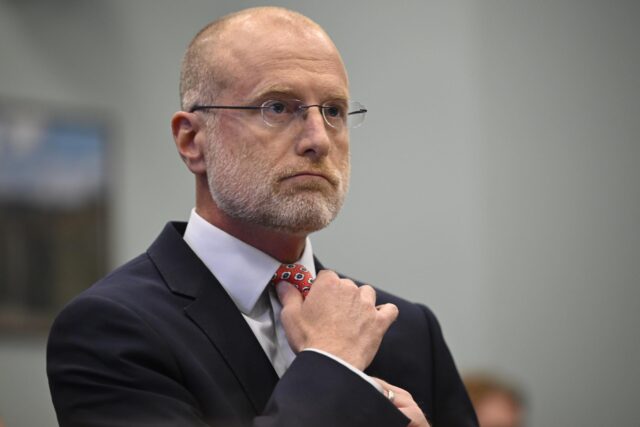
At the heart of the issue is SpaceX's recent application to the FCC for permission to launch its massive Starlink satellite megaconstellation, which the company plans to use to provide data center services from space. Amazon, which is also developing its own satellite internet project called Project Kuiper, has objected to SpaceX's plans, citing concerns over spectrum allocation and orbital congestion.
However, FCC Chair Jessica Rosenworcel has now pushed back against Amazon's criticisms, stating that the agency will carefully consider SpaceX's application and make decisions based on the public interest. Rosenworcel emphasized the need to balance the interests of various satellite operators and ensure efficient use of the electromagnetic spectrum and orbital resources.

The ongoing battle between SpaceX and Amazon is emblematic of the broader competition and jockeying for position among satellite companies as they seek to deploy ever-larger constellations to provide global internet connectivity and other data services from space. The FCC's decisions on these applications will have significant implications for the future of the satellite industry and the availability of high-speed, low-latency internet access around the world.

As the regulatory authority with jurisdiction over satellite communications, the FCC plays a crucial role in mediating these disputes and ensuring a fair and efficient allocation of the necessary resources. Rosenworcel's comments suggest the agency will continue to navigate these complex issues carefully, balancing the interests of various stakeholders to support the growth and development of the satellite industry.
Source: Ars Technica


