
FCC Launches ABC License Review After Kimmel's Trump Joke

The FCC opens unusual review of ABC's broadcast licenses following President Trump's call to fire Jimmy Kimmel over controversial Melania Trump joke.
In a striking move that has raised questions about regulatory overreach and political pressure on media outlets, the Federal Communications Commission has initiated an extraordinary review of ABC's broadcast licenses. This action came just one day after President Trump and First Lady Melania Trump publicly demanded that the network terminate Jimmy Kimmel from his late-night show, citing a controversial joke in which the host compared the first lady's appearance to that of an "expectant widow."
The timing of the FCC's intervention has sparked considerable debate among media watchdogs and legal experts about the appropriate boundaries of government oversight in the broadcasting industry. The agency's decision to scrutinize ABC's licenses represents an uncommon occurrence that underscores the tension between regulatory authority and editorial independence in American television. The controversial monologue by Kimmel preceded the FCC's action by mere hours, creating what many observers view as a direct connection between political objections and governmental regulatory action.
According to the FCC's official order, the agency has instructed Disney, which owns ABC, to file accelerated license renewal applications for all of its licensed television stations by May 28. This deadline represents a significant departure from the standard regulatory schedule, as there are currently no broadcast TV station licenses from any company scheduled for renewal until 2028, making this early filing requirement highly unusual in the context of normal FCC operations.

The FCC's legal authority to demand early license renewals stems from specific regulatory provisions that allow the agency to call in broadcaster licenses when it deems such action "essential to the proper conduct of an investigation." In its official statement, the commission explained that this power enables it to both conduct ongoing investigations and ensure that broadcasters are meeting their broader public interest obligations. However, legal experts have noted that while the FCC possesses this technical authority, its application in politically charged circumstances raises significant constitutional and policy concerns.
Despite the aggressive posture of the regulatory action, the practical reality of actually revoking a broadcast license is substantially more difficult than initiating a review. The legal process for license revocation has been characterized by communications law scholars as nearly impossible to accomplish in modern times, with extremely high evidentiary barriers and procedural protections for broadcasters. This distinction between regulatory harassment and actual license loss is important for understanding the true implications of the FCC's action, which may be more symbolic than substantive in terms of immediate consequences.
The FCC's rationale, as stated in its order, emphasizes the importance of examining whether ABC has maintained compliance with public interest standards and regulatory requirements. The agency noted that calling in licenses for early renewal "allows the FCC to conduct its ongoing investigation and enables the FCC to ensure that the broadcaster has been meeting its public interest obligations more broadly." This language suggests that the inquiry extends beyond the specific Kimmel incident to encompass a broader examination of ABC's broadcast practices.
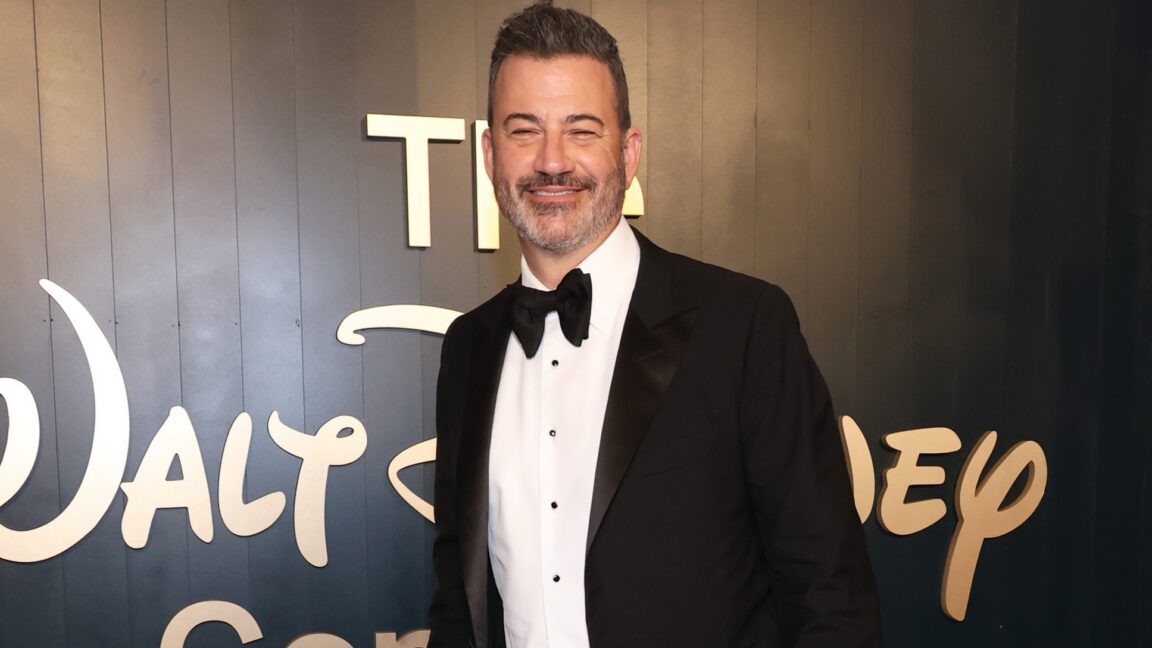
The controversy originated from remarks made by Kimmel during one of his monologues in which he made a comparison about the first lady's appearance that the Trump family found deeply offensive and inappropriate. The specific joke referenced Melania Trump's expression and demeanor in a way that the first lady and president deemed disrespectful and damaging to her dignity. Rather than issuing a statement or pursuing traditional channels of complaint, the president and first lady took the unusual step of calling for the host's termination from his position at the network.
This incident highlights the ongoing tension between media criticism and government regulation in the United States. While political figures have long criticized media coverage and commentary, the direct involvement of regulatory agencies in responding to jokes and entertainment content represents a more aggressive assertion of governmental influence over the broadcasting industry. The FCC's willingness to initiate license reviews in response to political pressure raises important questions about the independence of regulatory agencies and the potential chilling effect on editorial freedom.
Media advocacy organizations and free speech advocates have closely monitored the situation, with many expressing concern about the precedent being set. The intersection of political complaints and regulatory action creates what some view as an inappropriate fusion of governmental power and media control. First Amendment scholars have noted that while the government certainly has regulatory authority over broadcasters, the exercise of that authority in response to specific jokes or commentary raises serious constitutional questions about prior restraint and content-based censorship.

The Disney-ABC relationship now faces a more complex regulatory environment as the company prepares to submit early license renewal applications for its television stations. This process will likely involve substantial legal and compliance efforts as Disney works to demonstrate that its broadcast operations meet all relevant FCC standards and public interest obligations. The company's legal team will need to carefully navigate the regulatory requirements while maintaining the network's editorial independence and avoiding any appearance of capitulating to political pressure regarding on-air content.
The specific timeline established by the FCC—requiring applications by May 28—provides a compressed schedule for Disney to compile and file comprehensive renewal documentation. This abbreviated deadline adds administrative pressure to an already sensitive situation, potentially complicating Disney's ability to conduct a thorough internal review of its broadcast operations and compliance record. The accelerated timeline may also limit the company's opportunity for strategic planning regarding how to address the FCC's concerns through the renewal application process.
Looking forward, this situation will likely have implications for how the broadcast television industry operates under the current regulatory environment. Networks may become increasingly cautious about the types of commentary and humor their hosts present, particularly when such content involves political figures or their families. This potential self-censorship effect could reshape the landscape of late-night television and influence editorial decision-making across the broadcasting sector.
The distinction between government regulation and political retaliation remains at the heart of this controversy. While the FCC operates as an independent agency with specific statutory mandates, the appearance that it is responding to direct political pressure from the sitting president raises significant concerns about regulatory capture and the politicization of formerly neutral government functions. The agency's decision to act so quickly and in such direct response to the president's public criticism invites scrutiny about its decision-making processes and motivations.
Industry observers note that this situation differs from typical FCC enforcement actions, which are usually initiated based on audience complaints or the agency's independent determination that violations have occurred. In this case, the FCC's action appears to have been directly prompted by statements from the president and first lady, creating an unusually direct line between political objection and regulatory response. This departure from standard procedures may influence future behavior by both political leaders seeking regulatory interventions and agencies considering how to respond to such requests.
As the situation unfolds, the coming months will reveal how Disney responds to the FCC's directive and whether the regulatory review process leads to substantive findings regarding ABC's compliance with broadcast standards. The case will likely serve as a significant precedent for understanding the boundaries between appropriate government regulation of broadcasters and improper political interference in media operations. The outcome may ultimately depend on how broadly the FCC interprets its mandate to examine public interest obligations and what standards it applies in evaluating ABC's overall broadcast practices.
Source: Ars Technica


