
FCC Opens Investigation Into ABC's The View News Status

Trump-backed FCC launches public inquiry questioning whether ABC's The View qualifies as legitimate news programming under equal-time rules.
The Federal Communications Commission has initiated a formal proceeding that aims to determine whether ABC's popular daytime talk show The View should be classified as a bona fide news interview program. This development represents an escalation in regulatory scrutiny directed at the broadcast network and its flagship program, marking a significant moment in ongoing debates about media regulation and political fairness in television broadcasting.
The FCC Media Bureau released a public notice today requesting input from the general public, industry stakeholders, and interested parties regarding whether The View meets the established criteria for qualifying under the bona fide news exemption to the equal-time rule. This exemption is critical because it determines whether broadcast stations must provide equal airtime to opposing political candidates. The exemption is specifically designed for programming that genuinely functions as journalism rather than entertainment or opinion-based discussion.
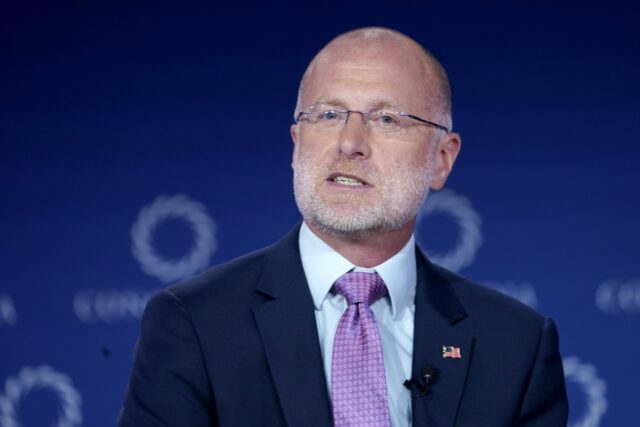
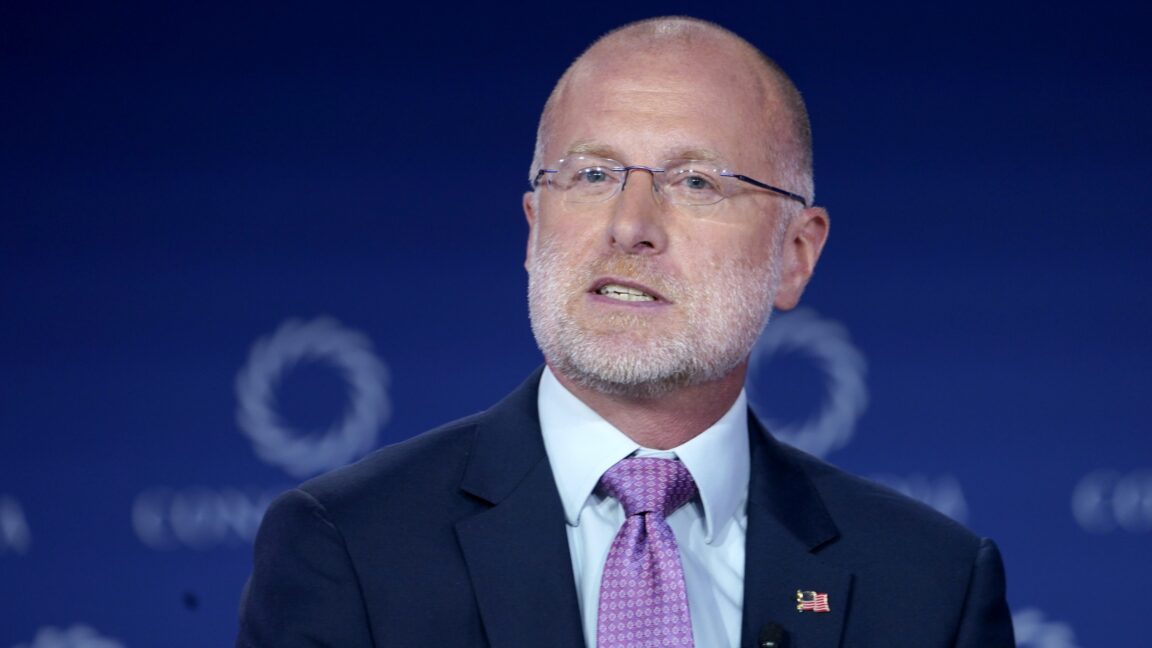
The investigation appears to be driven by FCC Chairman Brendan Carr, who has demonstrated strong alignment with President Trump's administration and has utilized his regulatory authority to scrutinize media organizations that the president has criticized. According to previous reporting, Carr has publicly embraced Trump's characterization of the FCC as an agency no longer functioning as an independent body, instead positioning it as an instrument of executive priorities.
In its official statement, the FCC Media Bureau emphasized the historical foundations and ongoing importance of the equal-time rule in American broadcasting. "Decades ago, Congress made the deliberate decision to prevent covered broadcast television programs from being used to advance certain partisan political purposes," the Media Bureau's public notice stated. This regulatory framework emerged from concerns about broadcast media's outsized influence on electoral processes and democratic discourse.
The equal-time rule exists as a protective mechanism designed to prevent broadcast television stations from using their platform advantages to unfairly favor particular political candidates or ideological positions. The underlying principle holds that no single broadcast outlet should be permitted to "unfairly put their thumbs on the scale for one political candidate or set of candidates over another," according to the FCC's official rationale. Furthermore, the rule guarantees that "no legally qualified candidate for office is unfairly given less access to the public airwaves than their opponent," ensuring a baseline level of competitive fairness in political discourse across broadcast media.
The distinction between news programming and entertainment-oriented talk shows has become increasingly contested in the modern media landscape. The View, which premiered in 1997 and has become one of ABC's most successful daytime programs, features a rotating panel of hosts discussing current events, politics, and cultural topics through a conversational format. The program has generated both devoted audiences and considerable political controversy, particularly during election cycles when panel members have publicly expressed political opinions about candidates and policy issues.
Critics of the program, particularly those aligned with conservative political perspectives, have argued that The View functions as a political advocacy platform rather than a news program, pointing to instances where hosts have criticized or endorsed particular candidates or policies. This tension between the program's classification and its actual content has existed for years, but the current regulatory inquiry represents the first formal FCC proceeding specifically examining whether the show qualifies for news programming protections.
The inquiry opens a complex regulatory question about what constitutes legitimate journalism in contemporary media. Traditional definitions of news programming typically emphasize factual reporting, journalistic standards, and editorial independence from partisan agendas. Talk shows that feature discussion and opinion, even when addressing current events, occupy an ambiguous middle ground that challenges conventional categorizations. The FCC must ultimately determine whether The View's format, editorial practices, and content justify classification as bona fide news programming or whether it should be treated as entertainment television subject to different regulatory requirements.
The public comment period initiated by this proceeding will allow broadcasters, media advocacy organizations, political groups, and individual citizens to submit perspectives on the appropriate classification of The View. These submissions will theoretically inform the FCC's eventual decision, though observers have questioned whether the proceeding genuinely seeks neutral analysis or represents a predetermined effort to restrict programming the current administration disfavors.

This investigation is part of a broader pattern of regulatory action undertaken during the Trump administration's second term, wherein the FCC has opened multiple inquiries into broadcast networks and programming deemed unfavorable to the president's interests. The agency's approach has raised concerns among media watchdogs and free speech advocates who worry that regulatory authority is being weaponized for political purposes rather than applied according to neutral, consistent standards.
The implications of this proceeding extend beyond The View itself, potentially establishing precedents for how other talk shows, commentary programs, and hybrid news-entertainment formats are regulated. If the FCC determines that The View does not qualify as news programming, broadcast stations airing the program could face requirements to provide equal political airtime to candidates mentioned or criticized during episodes, fundamentally altering the economics and operational structure of the show.
Legal experts remain divided on how the FCC should approach this classification. Some argue that any program featuring regular discussion of political news and current events should qualify for news exemptions, while others contend that the educational and informational function of news requires stricter adherence to journalistic standards that The View may not consistently meet. The upcoming public comment period will likely crystallize these competing perspectives into formal arguments for FCC consideration.
The equal-time rule itself has become increasingly controversial in recent years, with some observers questioning its relevance in an era of cable television, streaming services, and digital media that operate under different regulatory frameworks. Cable news networks, for instance, are not subject to equal-time requirements, allowing them to provide significantly more favorable coverage to particular candidates or political parties without legal consequence. This disparity has led some to question whether the equal-time rule remains an effective tool for ensuring political fairness or whether it simply constrains broadcast networks while leaving cable and digital competitors unfettered.
The outcome of this proceeding could significantly impact how ABC operates The View and how the network defends the program's news classification status. ABC has invested decades in establishing the program's brand and viewership base, making any regulatory change that affects the show's operations a matter of considerable business importance. Network executives will likely mobilize substantial resources to argue that the program qualifies for news exemptions, pointing to journalistic elements, newsworthy content, and editorial practices that support that classification.
As the public comment period develops, the broader question of regulatory authority and independence will undoubtedly feature prominently in media coverage and industry analysis. Whether the FCC's inquiry into The View represents legitimate regulatory oversight or partisan political weaponization remains the central controversy surrounding this proceeding, with significant implications for media freedom and regulatory integrity in American broadcasting.
Source: Ars Technica


