
FedEx Drug Scam: How Fraudsters Trapped Indian Comedian

Indian comedian Ankita Shrivastav fell victim to a sophisticated FedEx parcel scam. Learn how cybercriminals are targeting millions of Indians with fake delivery notifications.
Ankita Shrivastav, a well-known Indian comedian and content creator, recently became the latest victim of an increasingly prevalent cybercrime scam targeting millions across India. The incident highlights the dangerous evolution of digital fraud schemes that exploit trust in established logistics companies and prey on unsuspecting individuals through seemingly legitimate notifications. Her experience serves as a cautionary tale for the hundreds of millions of Indians who rely on online shopping and courier services for their daily purchases.
The scam began innocuously enough when Shrivastav received what appeared to be a standard notification message, seemingly originating from FedEx, one of the world's most trusted and recognized courier delivery services. The message claimed that a parcel addressed to her contained prohibited substances and required immediate verification and action. This type of message is particularly effective because it combines two powerful psychological triggers: urgency and fear, making recipients act hastily without proper verification.
What makes this particular online fraud scheme so insidious is its sophisticated design and social engineering tactics. The scammers meticulously craft messages that mimic legitimate FedEx communications, complete with official-looking branding, language, and formatting that closely resembles authentic company correspondence. They often include specific details that lend credibility to their claims, making it difficult for even cautious individuals to immediately identify the deception.

According to various reports and victim testimonies, the scam typically progresses in stages. First, the victim receives the fraudulent notification claiming illegal substances have been detected in a package. Panicked by this accusation, victims are directed to click a malicious link or call a fraudulent customer service number. The scammers then employ sophisticated impersonation techniques, often maintaining elaborate scripts and using call spoofing technology to make their numbers appear legitimate.
When victims contact the fake customer service representatives, they are guided through an increasingly complex verification process. The fraudsters claim to need sensitive personal information to "clear" the package and avoid legal consequences. This information typically includes bank account details, credit card numbers, One-Time Passwords (OTPs), and other financial credentials. The criminals exploit the victim's fear of legal trouble to coerce compliance and willingly share information they would normally guard carefully.
The psychological manipulation employed in these scams is remarkably effective. By invoking the specter of criminal charges related to drug trafficking, scammers trigger an immediate stress response in victims. This heightened emotional state significantly impairs rational decision-making, making individuals more susceptible to the fraudsters' sophisticated social engineering tactics. The combination of official-sounding language, time pressure, and serious legal implications creates a perfect storm of vulnerability.
India has witnessed a dramatic surge in digital fraud incidents over the past several years, coinciding with the country's explosive growth in internet adoption and online commerce. Millions of Indians now conduct financial transactions online, making the nation an increasingly attractive target for cybercriminals worldwide. According to various cybersecurity reports, India consistently ranks among the countries most affected by such scams, with losses running into hundreds of millions of rupees annually.
The Indian government and cybercrime prevention agencies have been actively working to combat these threats through awareness campaigns and law enforcement actions. However, the sophistication of modern scams often outpaces the ability of individuals to protect themselves, even with education and awareness. The sheer volume of daily notifications and messages that Indians receive makes it increasingly difficult to distinguish legitimate communications from fraudulent ones.
Financial institutions and logistics companies have also escalated their efforts to warn customers about these threats. FedEx and other major courier companies regularly issue alerts about impersonation scams, advising customers never to click links in unsolicited messages or provide personal information over the phone. Despite these warnings, millions continue to fall victim to such schemes, suggesting that awareness alone is insufficient without additional security measures.
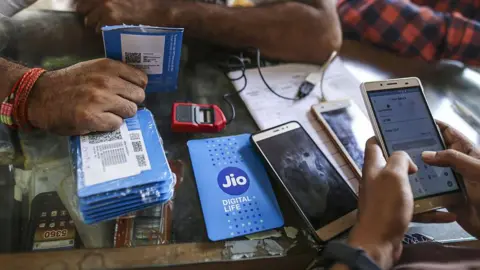
What makes Ankita Shrivastav's case particularly significant is that she is a public figure with a considerable following and presumably greater awareness of such scams than the average person. If such an individual can be targeted and potentially deceived, it underscores the vulnerability of the broader population. Her willingness to share her experience publicly demonstrates a commendable commitment to raising awareness about these dangers within her community and among her followers.
The mechanics of these scams reveal a highly organized operation spanning multiple countries and involving various criminal networks. International law enforcement agencies have identified connections between cyber scam operations in India and criminal enterprises in Southeast Asia, Africa, and Eastern Europe. These networks often operate with military-like precision, with different members handling specific roles such as message creation, call handling, money laundering, and account access.
One particularly concerning aspect is how these criminals utilize technology to scale their operations. Automated systems send thousands of messages daily, with spoofed phone numbers making calls appear to originate from legitimate companies. Voice-over-Internet Protocol (VoIP) technology enables scammers to operate from anywhere globally while appearing to call from local numbers. Artificial intelligence and machine learning algorithms help optimize message content for maximum effectiveness across different demographic groups.

The financial impact of such fraud schemes extends far beyond individual victims. Banks and payment systems lose billions to fraudulent transactions, security infrastructure requires constant upgrades, and legitimate businesses face reputational damage when their identities are exploited by criminals. The broader economy suffers as consumer confidence in online transactions diminishes and resources must be diverted to fraud prevention and investigation.
For individuals seeking protection against these scams, experts recommend several essential practices. Never click links in unsolicited messages, regardless of how official they appear. Always verify messages by contacting companies directly using official contact information found on their websites, not numbers provided in suspicious messages. Be extremely cautious about sharing personal information, financial details, or OTPs with anyone over the phone or through digital channels, even if they claim to represent legitimate organizations.
Awareness and education remain critical components of defense against these threats. Public figures like Ankita Shrivastav who share their experiences help normalize discussion about cybercrime vulnerability and encourage others to remain vigilant. When celebrities and influential individuals openly discuss falling victim to scams, it removes the stigma and shame that often prevents ordinary people from reporting incidents and seeking help from authorities.
Looking forward, combating these cybercrime operations will require coordinated efforts involving government agencies, financial institutions, technology companies, and the public. Enhanced regulation of telecommunications infrastructure, stricter penalties for fraud perpetrators, and investment in advanced detection technologies are all essential components of a comprehensive strategy. Additionally, international cooperation is vital, as these criminal networks operate across borders and require global law enforcement coordination to effectively dismantle.
The case of Ankita Shrivastav serves as a stark reminder that in our increasingly digital world, vigilance and skepticism are not paranoid but necessary survival skills. As technology continues to advance, so too will the sophistication of those who seek to exploit it for criminal purposes. By learning from each reported case and sharing knowledge within communities, Indian citizens can collectively build stronger defenses against these pervasive threats that continue to target millions annually.
Source: BBC News


