
Female Tradespeople Transform Domestic Abuse Refuges

Domestic abuse refuges are increasingly hiring female electricians, plumbers and decorators to help survivors feel safer during essential home repairs.
The maintenance and upkeep of residential facilities for domestic abuse survivors presents unique challenges that extend far beyond typical property management concerns. Domestic abuse refuges across the country are discovering that their reliance on predominantly male construction workers can inadvertently create additional stress and trauma for the vulnerable women they serve. This realization has sparked an innovative movement toward employing female tradespeople who can provide essential services while maintaining the safe, supportive environment that survivors desperately need.
Refuge, one of the leading organizations in this field, operates an extensive network of 64 residential facilities specifically designed to house and support survivors of domestic violence. The daily operational requirements of these homes include routine maintenance, emergency repairs, and ongoing improvements that require skilled professionals across various trades. However, the traditional approach of hiring from the male-dominated construction industry has proven problematic for the organization's core mission of providing trauma-informed care.
Lisa Cantwell-Hope, who serves as the head of property services at Refuge, has witnessed firsthand the complex dynamics that arise when male contractors enter these sensitive environments. "The presence of men can be distressing and could trigger past traumas for our survivors," she explained, highlighting the delicate balance between maintaining safe housing and ensuring residents' psychological well-being. The current protocols require additional safeguards that, while necessary, create logistical complications and resource strain.
"Male contractors need an escort to make our survivors feel more comfortable, and we always put a notice out to all our residents saying there will be a male presence in the building today," Cantwell-Hope noted. "So it can be challenging and takes up more time." These additional measures, while essential for resident safety and comfort, demonstrate the significant operational impact that staffing decisions can have on domestic violence support services.
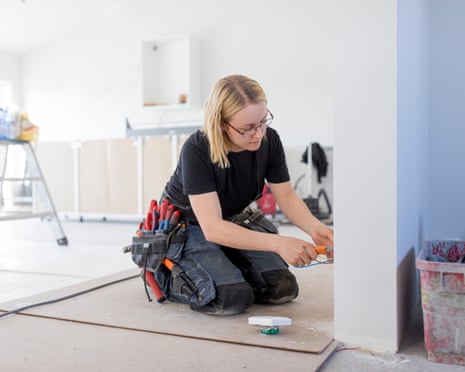
The solution that many refuges are embracing involves actively seeking out and partnering with female contractors who can provide the same high-quality services without triggering trauma responses in residents. This approach represents a fundamental shift in how these organizations think about service provision, moving beyond simply meeting technical requirements to considering the holistic impact of every interaction on survivor recovery and healing.
Women who have experienced domestic abuse often struggle with feelings of vulnerability and hypervigilance, particularly around unfamiliar men entering their living spaces. The presence of male workers, even those with the best intentions and proper supervision, can activate fight-or-flight responses that impede the healing process. Female tradeswomen offer an alternative that allows necessary work to proceed while maintaining the therapeutic environment that these facilities strive to create.
The construction industry has historically been one of the most gender-segregated sectors of the economy, with women representing less than 3% of workers in traditional trades like plumbing, electrical work, and carpentry. However, recent years have seen growing efforts to recruit and train women in these fields, driven partly by labor shortages and partly by recognition of the unique value that women in construction can bring to certain specialized applications.
For domestic abuse refuges, the benefits of working with female contractors extend beyond simply avoiding potential triggers for residents. Many survivors report feeling more comfortable discussing their needs and concerns with female service providers, leading to better communication about accessibility requirements, safety modifications, and other specialized accommodations that these facilities often require.

The impact on residents' mental health and recovery journey cannot be overstated. When trauma-informed care principles are applied to every aspect of refuge operations, including maintenance and repair work, survivors experience what many describe as a lifting of anxiety and tension. The ability to move freely through their living space without concern about unexpected male presence contributes significantly to the sense of safety and autonomy that these facilities aim to foster.
Professional female tradespeople who work with domestic abuse refuges often report finding deep satisfaction in their ability to contribute to survivor healing through their technical skills. Many describe developing specialized expertise in the unique requirements of these facilities, including enhanced security measures, accessibility modifications, and trauma-sensitive installation practices that minimize disruption to residents' daily routines.
The economic benefits of this approach extend beyond the immediate cost savings from reduced supervision requirements. When residents feel safer and more comfortable in their living environment, they are better able to engage with support services, maintain employment or education, and work toward independent housing. This improved stability can reduce the length of stay required and improve overall program outcomes, creating value for both residents and service providers.
Training programs specifically designed to prepare female contractors for work in domestic violence refuges are beginning to emerge in some regions. These programs combine traditional trade skills with education about trauma responses, confidentiality requirements, and the unique operational considerations of these sensitive environments. Participants learn not only how to perform their technical duties but also how to interact appropriately with residents who may be in various stages of recovery from abuse.
The scheduling flexibility that comes with working with female contractors has proven to be another significant advantage for refuge operations. Without the need for constant supervision or advance notification protocols, maintenance work can be conducted more efficiently and with less disruption to residents' routines. This operational improvement has implications for both cost management and resident satisfaction.
Some refuges have established ongoing partnerships with female-owned construction businesses, creating reliable networks of service providers who understand the specialized requirements of these facilities. These relationships often evolve into comprehensive maintenance contracts that provide consistent, trauma-informed service delivery while supporting women's entrepreneurship in male-dominated industries.
The success of female tradesperson initiatives in domestic abuse refuges is beginning to influence other sectors that serve vulnerable populations. Mental health facilities, senior living communities, and other residential care environments are exploring similar approaches to service delivery, recognizing that the gender of service providers can significantly impact resident comfort and treatment outcomes.
Industry organizations within the construction sector are taking notice of this growing niche market and the opportunities it presents for female entrepreneurs and workers. Professional development programs, networking events, and specialized training opportunities are being developed to connect qualified female contractors with organizations serving vulnerable populations.
The broader implications of this trend extend to workforce development and gender equity in the skilled trades. As more women enter construction fields and find meaningful, well-compensated work in specialized applications like refuge maintenance, it demonstrates the economic viability of diversifying these traditionally male industries. The success stories emerging from these partnerships provide powerful examples for recruitment and retention efforts targeting women in the trades.
Looking forward, the integration of female tradespeople into domestic abuse support services represents just one example of how trauma-informed principles can reshape entire industries. As awareness grows about the importance of considering the psychological impact of service delivery on vulnerable populations, we can expect to see continued innovation in how organizations approach staffing and service provision across multiple sectors.
Source: The Guardian


