
Fighter Jet Collision Caused by Photo Session

South Korean military investigation reveals pilots distracted by photography caused collision. One pilot fined thousands for repair costs in unprecedented incident.
A South Korean fighter jet collision has raised serious safety concerns within the military, with official investigations revealing that the incident was triggered by an extraordinarily reckless decision made by the aircraft pilots. According to a comprehensive report released by military authorities, two pilots engaged in taking photographs during flight operations, a practice strictly prohibited under air force regulations and standard aviation safety protocols. This shocking lapse in judgment resulted in a mid-air collision that could have ended in tragedy for both aviators and potentially endangered lives on the ground below.
The incident, which occurred during what was supposed to be a routine training exercise, highlights critical gaps in aviation safety enforcement and the need for stricter disciplinary measures within the South Korean military establishment. The pilots' decision to shift their focus from their flight instruments and aircraft operations to recreational photography demonstrates a troubling disregard for the fundamental principles of flight safety. Such behavior is particularly alarming given that these individuals operate some of the most advanced and expensive military equipment in the world, with each fighter jet representing millions of dollars in defense investments and critical national security capabilities.
In the aftermath of the collision, military authorities conducted a thorough investigation to determine the precise cause and circumstances surrounding the accident. The investigation team meticulously reviewed flight data, communications records, and interviewed both pilots extensively to reconstruct the events leading up to the collision. Their findings painted a clear picture of negligence and a violation of fundamental military flight protocols that have been established to protect personnel and assets. The report documented how the pilots' attention was diverted from essential flight operations, ultimately resulting in their inability to maintain proper separation and awareness of each other's positions in the airspace.
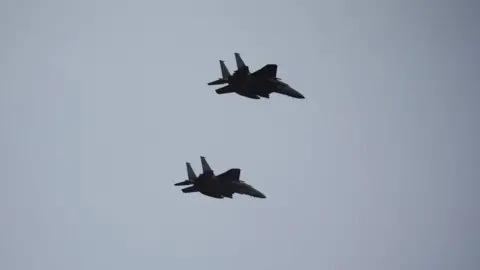
The consequences for the involved pilots have been significant, with military authorities implementing disciplinary measures to address the severity of the breach. One pilot has been fined thousands of dollars by the military, with the monetary penalty specifically designated to cover the substantial repair costs associated with restoring the damaged aircraft to operational status. This financial punishment represents not only a significant personal expense for the officer but also serves as a public demonstration of the military's commitment to maintaining strict accountability standards. The amount of the fine underscores the substantial damage inflicted by the collision and the considerable resources required to return the aircraft to combat-ready status.
The repair costs themselves are particularly noteworthy, as they reveal the extensive damage sustained during the mid-air incident. Fighter jet repairs are among the most expensive maintenance operations in military aviation, involving specialized technicians, rare components, and precision work that can take weeks or months to complete. The costs extend beyond simple structural repairs to include avionics systems, engine components, and comprehensive safety inspections to ensure the aircraft can safely return to operational status. The fact that one pilot has been held financially responsible for these costs sends a powerful message about personal accountability within the military hierarchy.
This incident serves as a stark reminder of the critical importance of maintaining unwavering focus during flight operations, regardless of circumstances. South Korean military officials have emphasized that pilot discipline and adherence to safety protocols are non-negotiable aspects of military aviation operations. The collision has prompted reviews of existing training programs and safety enforcement mechanisms across the South Korean air force. Leadership has stressed that every flight operation, from routine training missions to complex combat scenarios, demands complete attention and strict adherence to established procedures that have been developed through decades of aviation experience and lessons learned from past incidents.
The incident also raises important questions about the broader culture of safety within military aviation organizations and how to prevent similar breaches from occurring in the future. Military psychologists and aviation safety experts have noted that complacency can develop during routine training flights, leading pilots to underestimate risks or engage in unauthorized activities. The South Korean military has responded by implementing additional oversight measures and conducting mandatory refresher training for all pilots on safety protocols and the critical importance of maintaining focus during all flight operations. These preventive measures aim to reinforce the fundamental principles that protect both personnel and valuable military assets.
International military aviation observers have commented on this incident, noting that such collisions resulting from pilot distraction, while rare, represent a serious concern that extends beyond South Korea's military. The aviation community worldwide has developed increasingly sophisticated training programs and enforcement mechanisms to combat complacency and ensure that military flight safety remains the highest priority. Advanced technology, including automatic monitoring systems and real-time communication between aircraft, has been implemented to provide additional layers of protection and early warning systems. However, technology can only supplement, not replace, the critical human element of pilot discipline and situational awareness.
The financial penalty imposed on the pilot extends beyond the immediate repair costs and includes potential impacts on the individual's military career trajectory and future advancement opportunities. In many military organizations, involvement in safety incidents, particularly those caused by negligence or rule violations, can result in delayed promotions, reassignments, or other career consequences that extend well beyond the initial disciplinary action. The pilot's record will now carry this incident, serving as a permanent reminder of the collision and the dangers of inattention during flight operations. This career impact serves as an additional deterrent to other pilots who might consider similar unauthorized activities during their own flight missions.
The South Korean military has also used this incident as an opportunity to communicate with the broader defense community about the importance of maintaining strict safety cultures. Senior military officials have conducted briefings emphasizing that modern military operations demand unprecedented levels of coordination, precision, and discipline. The fighter jet safety incident in South Korea is now referenced in training materials and safety seminars as a cautionary tale about the consequences of allowing personal activities to interfere with professional responsibilities. This educational approach aims to create lasting awareness among military personnel about the critical importance of unwavering focus during all operational activities.
As investigations concluded and disciplinary measures were implemented, the South Korean military continued to assess whether additional systemic changes might be necessary to prevent similar incidents in the future. The incident has become a catalyst for broader discussions within the defense establishment about how to balance operational flexibility with necessary safety constraints. The collision between these two fighter jets, caused by something as mundane as taking photographs, demonstrates that even the most highly trained and sophisticated military operations remain vulnerable to human error when fundamental protocols are not strictly followed. The lessons learned from this incident will likely influence training programs and safety enforcement mechanisms not only in South Korea but across international military aviation communities seeking to maintain the highest standards of operational safety.
Source: BBC News


