Final Middle East Oil Tanker Arrives in California Amid Fuel Crisis

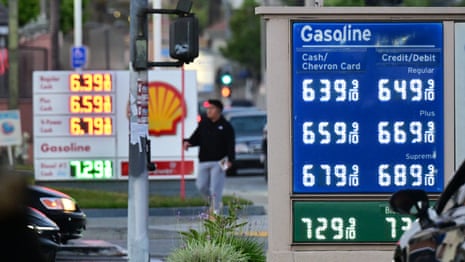
As gas prices surge above $6 in California, the last oil tanker from the Middle East arrives. State energy officials confirm six-week supply window amid ongoing negotiations.
California faces mounting energy challenges as gas prices have surged above $6 per gallon throughout the state, prompting concerns from consumers and policymakers alike. The arrival of the final oil tanker from the Middle East this week marks a critical juncture for the nation's most populous state, raising urgent questions about fuel supply stability and long-term energy security. The situation underscores the fragility of global oil markets and California's dependence on international crude supplies in an increasingly unstable geopolitical climate.
According to statements from California's energy commission vice-chair, the state currently possesses sufficient fuel supply reserves to meet consumer demand for the next six weeks, assuming normal consumption patterns and no unexpected disruptions. This timeline provides a crucial window for policymakers to develop contingency plans and explore alternative energy sources. However, this assessment comes with significant caveats, as officials acknowledge that any unforeseen developments in global oil markets or supply chains could rapidly erode this buffer.
The broader context of these supply concerns involves complex Middle East negotiations that continue to shape energy markets worldwide. Axios reported on Wednesday that Washington and Tehran were approaching consensus on a memorandum of understanding aimed at ending regional conflict, potentially affecting crude oil availability from one of the world's largest petroleum producers. Officials in Pakistan shared insights with international media, suggesting that negotiators could potentially reach an initial framework agreement within 48 hours, though they emphasized that nothing was certain and discussions remained contentious.
The oil market volatility triggered by geopolitical tensions has created significant ripple effects across California's energy sector and broader U.S. economy. As negotiations progress in the Middle East, crude oil traders remain cautious, with many hedging their positions against potential supply disruptions or sudden policy shifts. The convergence of these factors has created a complex environment where energy prices reflect both immediate supply concerns and longer-term uncertainty about regional stability.
California's unique energy situation stems from its substantial distance from major North American crude production centers and its heavy reliance on imported oil, particularly from the Middle East. The state's refineries have become accustomed to processing specific grades of crude oil that are optimally suited to California's regulatory environment and climate conditions. When international supplies tighten, California faces disproportionate impacts compared to other U.S. states, making the state particularly vulnerable to global energy shocks.
The tanker's arrival represents more than just a routine commercial transaction; it symbolizes the end of a crucial supply line that has helped sustain California's economic engine. Energy analysts suggest that this shipment may be the last scheduled delivery from Middle Eastern producers for an indefinite period, pending the outcome of diplomatic negotiations and the stabilization of regional conditions. The implications extend beyond immediate fuel costs, potentially affecting manufacturing, transportation, and consumer behavior across the Golden State.

For California residents already struggling with some of the nation's highest gasoline prices, the news of dwindling international supplies compounds existing economic pressures. Commuters, businesses, and logistics companies have begun adjusting their operations and budgets in anticipation of potentially higher energy costs in the coming weeks. Consumer advocacy groups have called for state intervention, including possible fuel price regulations or subsidies to mitigate the burden on lower-income residents.
Energy commission officials are actively exploring multiple strategies to address the impending supply challenge, including increased reliance on domestic production, accelerated development of renewable energy sources, and enhanced efficiency measures. The state has also reached out to neighboring regions to explore potential emergency supply arrangements, though such agreements face logistical and regulatory hurdles. Additionally, California continues to evaluate strategic petroleum reserve releases and other emergency measures that could help bridge the gap during the critical six-week window.
The geopolitical dimensions of this energy crisis highlight California's interconnectedness with global events and markets. The outcomes of Washington-Tehran negotiations will directly influence crude oil supplies to American refineries, potentially reshaping energy prices and availability throughout the nation. Middle East stability remains paramount to global energy security, and any major developments in the region will have immediate consequences for California consumers and businesses.

Looking forward, California policymakers recognize the necessity of reducing the state's vulnerability to international energy disruptions through diversification of supply sources and acceleration of renewable energy adoption. Investments in solar, wind, and battery storage technologies have become increasingly urgent as concerns about energy independence and climate change converge. The current crisis may serve as a catalyst for accelerating California's already ambitious clean energy transition goals.
Diplomatic negotiations continuing in multiple venues worldwide will determine whether crude oil supplies to California stabilize or face further constraints. Any agreement between Washington and Tehran would likely influence oil production decisions and export capabilities, potentially alleviating some supply pressures. Conversely, if negotiations fail or produce limited results, the state may face more severe energy challenges extending well beyond the initial six-week forecast period.
For comprehensive updates on this developing situation, tracking both energy market developments and diplomatic negotiations remains essential for understanding California's energy trajectory. The coming weeks will prove critical in determining whether the state successfully navigates this supply challenge or faces more severe disruptions to its economic and social fabric. All stakeholders, from policymakers to consumers, should remain vigilant regarding developments in both Middle East diplomacy and California's energy supply situation.