
Firefly's Alpha Block 2 Rocket Launching This Summer

SpaceX's Falcon 9 dominates the launch market, but competitors like Firefly Aerospace are preparing upgraded rockets. Discover what's next in commercial spaceflight.
Welcome to the latest edition of the Rocket Report, your comprehensive guide to developments in the commercial and government spaceflight industries. The space launch sector continues to evolve at a breathtaking pace, with established players and newcomers alike pushing the boundaries of what's possible in rocket technology and reusability. This week's edition brings exciting news about upcoming launches, significant technical milestones, and the ongoing transformation of how humanity accesses space.
One of the most striking phenomena in the modern aerospace industry is SpaceX's remarkable ability to remain disruptive even after achieving unprecedented success. Over the course of more than twenty-five years of operation, SpaceX has evolved from an ambitious startup into the world's dominant commercial launch provider. The company's Falcon 9 rocket has become the workhorse of the global space industry, completing hundreds of successful missions and establishing new standards for launch frequency and reliability.
Despite this dominance, SpaceX shows no signs of resting on its accomplishments. The company's leadership continues to pursue increasingly ambitious goals, most notably through the development of the Starship program. This massive next-generation vehicle represents a fundamental departure from the Falcon 9 design philosophy, promising even greater payload capacity, improved reusability, and dramatically reduced launch costs. In many ways, SpaceX is actively working to render its own most successful product obsolete—a testament to the company's vision for the future of spaceflight.
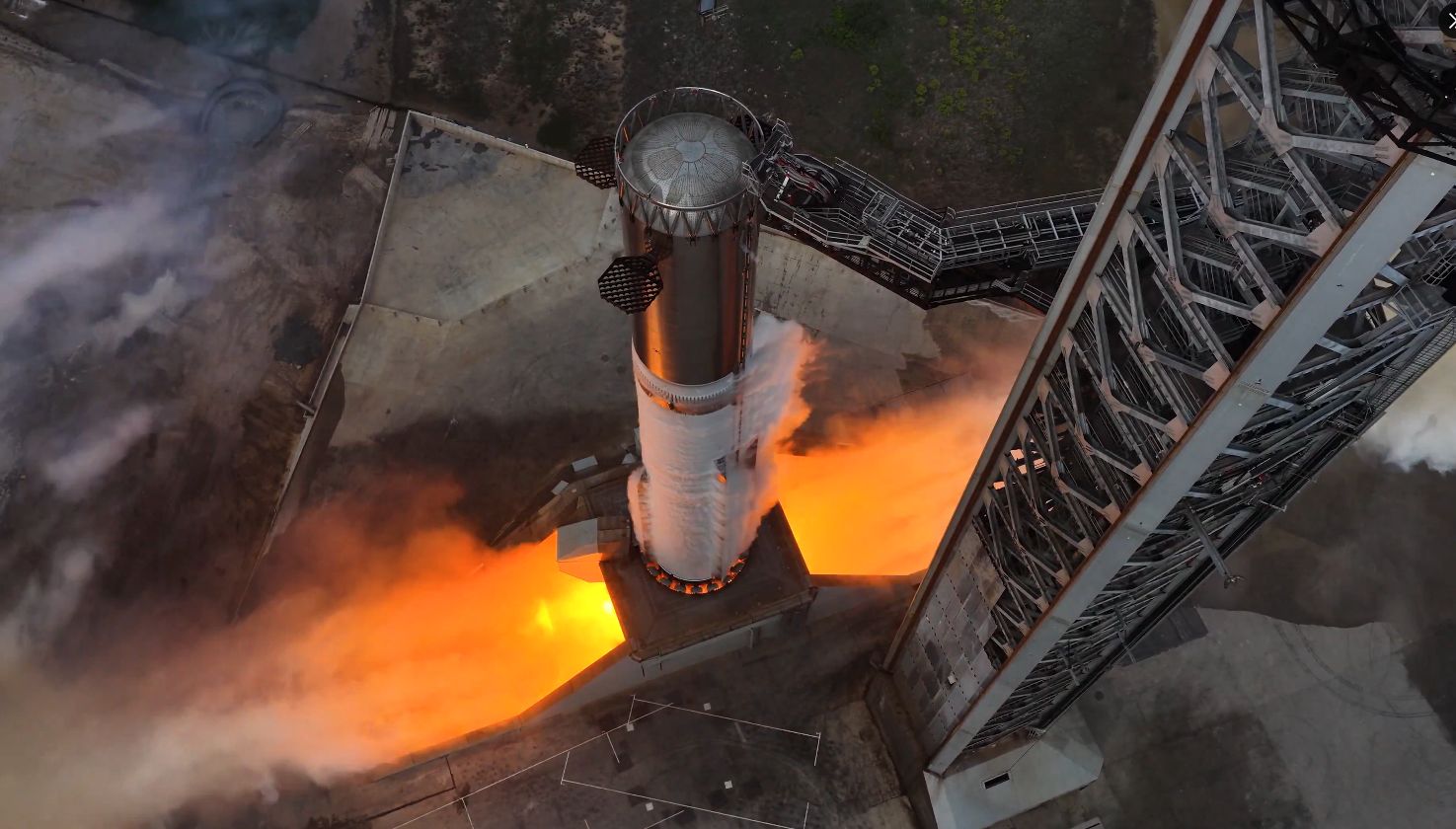
Recent analysis suggests that the spaceflight industry may be approaching the peak of what some call the "Falcon era" of commercial launch activities. As reusable rocket technology becomes increasingly mature and reliable, the focus of innovation is shifting toward next-generation systems capable of even greater efficiency and capability. This transition represents one of the most significant turning points in modern aerospace history, with implications that will shape the industry for decades to come.
We continuously encourage readers to submit their own stories and insights about developments in the rocket and spaceflight sector. Whether you're tracking a particular launch company, monitoring technical achievements, or observing trends in the broader industry, your submissions help us create a comprehensive picture of this rapidly evolving field. To ensure you don't miss any future editions of this report, we invite you to subscribe through the provided subscription options. Each edition of the Rocket Report includes detailed information on small-lift, medium-lift, and heavy-lift launch vehicles, along with a forward-looking preview of the next three scheduled launches.

The competition in the commercial space launch market is intensifying, with multiple companies racing to capture market share and demonstrate the viability of their respective technologies. Firefly Aerospace has emerged as one of the more promising competitors in this increasingly crowded field. The company brings together experienced aerospace professionals and innovative engineering approaches to develop launch vehicles that can effectively compete with established players.
Firefly Aerospace is preparing to take a significant step forward with the development and upcoming deployment of its Alpha Block 2 rocket. This upgraded version of the company's Alpha launch vehicle represents a substantial advancement over its predecessor, incorporating lessons learned from earlier flights and implementing technological improvements identified through extensive testing and analysis. The Block 2 variant is expected to offer enhanced performance characteristics, improved reliability, and greater operational flexibility compared to the original Alpha design.
According to reporting from Space News, one of the aerospace industry's most respected trade publications, Firefly is targeting the late summer season for the inaugural launch of its Alpha Block 2 rocket. This ambitious timeline reflects the company's confidence in its engineering and manufacturing capabilities, as well as the increasing pace of innovation across the commercial spaceflight sector. The successful deployment of the Block 2 variant would represent a major milestone for Firefly and would further demonstrate the viability of competition in the commercial launch market.

The significance of Firefly's Alpha Block 2 launch extends beyond the company itself. The successful introduction of new, competitive launch vehicles helps drive innovation across the entire industry and provides customers with greater choices for their spaceflight needs. Booster landing capabilities and reusability have become increasingly important metrics for evaluating launch vehicle performance, and companies like Firefly are working to incorporate these features into their designs.
Meanwhile, SpaceX continues to set new records with its Falcon 9 program. The company recently achieved a notable milestone in booster landing success rates, with the Falcon 9's first stage demonstrating unprecedented reliability in returning to Earth and being recovered for reuse. These achievements in booster recovery represent the culmination of years of development and refinement, and they underscore the critical importance of reusability in reducing launch costs and increasing flight rate capabilities.
As the summer launch season approaches, the space industry will be watching closely to see how Firefly's Alpha Block 2 performs. The successful deployment of this rocket would validate Firefly's engineering approach and could open new opportunities for the company to compete for commercial and government launch contracts. At the same time, SpaceX's continued dominance and ongoing innovations with the Falcon 9 demonstrate that established players continue to raise the bar for what's possible in commercial spaceflight.

The convergence of these developments—including Firefly's upcoming Alpha Block 2 launch, SpaceX's record-breaking Falcon 9 achievements, and the broader industry shift toward next-generation systems like Starship—illustrates the dynamic and rapidly evolving nature of the modern spaceflight sector. As we look toward the summer launch season and beyond, it's clear that innovation, competition, and advancing technical capability will continue to define this exciting era in space exploration and commercial space access.
Source: Ars Technica


