
First Nations Woman Discharged to Streets Despite Life-Threatening Illness

Andrea Woodley, a Noongar woman battling sepsis from sleeping rough, faces a two-year wait for public housing despite medical warnings she could die.
In a troubling case that highlights the intersection of homelessness and healthcare in Australia, a First Nations woman named Andrea Woodley has found herself caught in a devastating cycle of hospitalization and discharge to the streets. Despite medical professionals warning that she faces a significant risk of death without safe housing, Woodley continues to await placement in public accommodation with little hope of immediate relief.
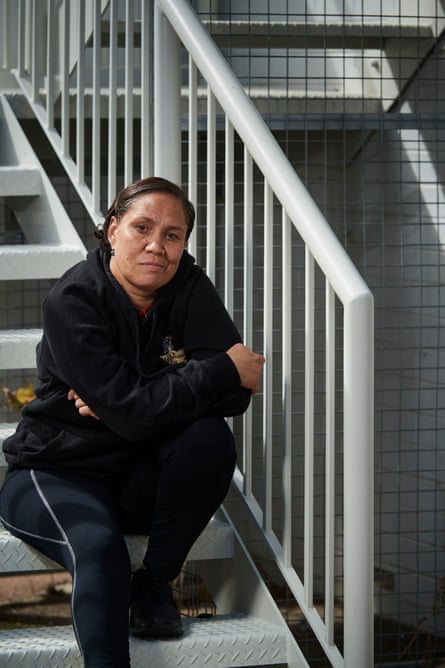
Andrea Woodley is a Noongar, Budimaya and Nyikina woman who has been battling a severe infection that has required multiple hospital admissions over recent weeks. The infection, triggered by septicemia and infected blisters that developed from prolonged exposure to harsh outdoor conditions, has created a medical emergency that doctors say cannot be adequately treated while she remains unhoused. Her family members and medical advocates have expressed grave concerns about her survival prospects without a stable, safe living environment.
The immediate cause of Woodley's critical health condition stems from sleeping rough in inner-city Perth, where exposure to cold, wet conditions and inadequate hygiene facilities led to the development of infected wounds on her feet. These minor injuries escalated into sepsis, a potentially life-threatening infection that occurs when the body's response to infection causes tissue damage. Once sepsis takes hold, the condition requires not only acute medical treatment but also stable housing and proper wound care to prevent recurrence or fatal complications.

Despite the urgent medical situation, Woodley faces an impossible waiting period for public housing assistance in Western Australia. She has been on the priority housing list since 2023, yet advocates and housing officials warn that she still faces approximately two years before being allocated permanent accommodation. This extended timeline creates a cruel paradox: the healthcare system has identified her housing insecurity as life-threatening, yet the housing system cannot accommodate her urgent need.
The case of Andrea Woodley is emblematic of broader systemic failures that affect homeless individuals across Australia, particularly those from Indigenous communities who face compounded barriers to accessing services. Housing advocates note that priority housing lists, while theoretically designed to address the most urgent cases, often move at a glacial pace that does not match the accelerated timeline of medical crises. When a person is medically discharged and has nowhere safe to go, the system has failed at both the health and housing levels.
Her family has become increasingly vocal about the impossible situation Woodley faces. They have expressed their fear that without immediate intervention, her medical condition will deteriorate further, potentially leading to septic shock or other fatal complications. The emotional toll on her loved ones is compounded by the sense that institutions have abandoned a woman whose need for help is both urgent and quantifiable through medical documentation.
The healthcare discharge process for homeless patients remains a contentious issue in Australian hospitals. While medical professionals are obligated to treat acute conditions, they are often left without adequate resources or housing solutions to ensure patients have safe places to recover. Hospital social workers frequently face the difficult task of discharging patients with complex medical needs back to homelessness, effectively undermining the clinical care provided during hospitalization.
Western Australia's public housing system, like most states across the country, operates under significant resource constraints and faces an enormous backlog of applicants. Priority categories are designed to address the most vulnerable populations, including those with medical needs, but the sheer volume of applications means that even priority-listed individuals can wait years for placement. This structural inadequacy leaves people like Woodley in a state of perpetual vulnerability.
Advocates working in the homelessness and health sectors have repeatedly called for better integration between hospital discharge protocols and emergency housing solutions. They argue that when medical professionals determine that housing is essential to a patient's survival, mechanisms should exist to rapidly secure temporary or permanent housing rather than discharging patients to the street. Some other countries have implemented housing-first models that prioritize secure accommodation as part of medical treatment for vulnerable populations.
The intersection of homelessness and Indigenous health creates particularly acute challenges in Woodley's case. First Nations Australians experience disproportionately high rates of homelessness due to historical dispossession, systemic inequalities, and ongoing discrimination. Additionally, Indigenous Australians face higher rates of chronic illness and infection, meaning the combination of homelessness and Indigenous identity creates compounded health risks.
Medical experts have documented that untreated or poorly managed sepsis can rapidly progress to septic shock, organ failure, and death. The risk is heightened in individuals who lack access to clean water, appropriate wound dressing supplies, and consistent medical monitoring. Woodley's situation represents a medical emergency unfolding in slow motion, where the healthcare system has identified the problem but the housing system cannot provide the solution at the required speed.
The case raises broader questions about accountability and responsibility across government agencies. When hospital discharge planners document that a patient requires housing for survival, yet that patient is discharged to homelessness, which agency bears responsibility for the inevitable adverse outcomes? Current systems do not clearly assign this responsibility, creating a gap where vulnerable individuals fall through.
Housing advocates and medical professionals alike have called for urgent reform to address cases like Andrea Woodley's. Proposed solutions include dedicated emergency housing units for medically vulnerable homeless individuals, rapid-access temporary accommodation protocols triggered by hospital discharge assessments, and increased funding for public housing to reduce waiting times. Some jurisdictions have experimented with transitional housing programs specifically designed for people exiting hospitals without stable accommodation.
The broader context of this individual case reflects the ongoing housing crisis affecting Australia, where demand for affordable and secure housing far exceeds supply. Public housing has been chronically under-resourced for decades, with waiting lists that have grown exponentially while funding has stagnated. For First Nations people specifically, the availability of public housing is further constrained by geographic limitations and cultural considerations that affect housing preferences.
Andrea Woodley's story serves as a stark reminder that homelessness is not merely a social issue but a critical health crisis that demands urgent attention from both healthcare and housing sectors. Until systems are reformed to ensure rapid housing solutions for medically vulnerable individuals, cases of people being discharged from hospitals to the streets will continue, with potentially fatal consequences. The two-year wait that Woodley faces is measured in years, but her sepsis is measured in days and weeks—a temporal mismatch that could prove deadly without intervention.

