
Fish and Chips Scandal: Cheap Catfish Sold as Traditional

BBC investigation exposes chip shop owners illegally selling cheaper catfish species as traditional fish and chips, deceiving customers across the UK.
A comprehensive BBC investigation has uncovered a widespread practice among chip shop operators who are deliberately misrepresenting cheaper fish species as the traditional staple of British fish and chips cuisine. The undercover inquiry reveals that numerous establishments across the country have been systematically substituting genuine traditional fish varieties with more affordable alternatives, particularly catfish, without informing unsuspecting customers of the substitution.
The investigation demonstrates that this fraudulent practice extends far beyond isolated incidents, suggesting a systemic issue within the fish and chips industry. Chip shop owners interviewed during the research acknowledged that cost pressures and profit margins have driven them to seek cheaper alternatives to traditional white fish species that have historically defined the British favorite. This revelation raises serious questions about consumer trust, food labeling standards, and regulatory enforcement within the food service sector.
Traditional fish and chips establishments have long served cod, haddock, or plaice as their signature offerings, with these fish varieties commanding premium prices due to their quality, taste, and cultural significance. However, catfish and other budget-friendly alternatives cost considerably less, allowing shop owners to increase their profit margins significantly. The BBC's findings suggest that many establishments are banking on customer inability to distinguish between species when fried and served alongside chips.
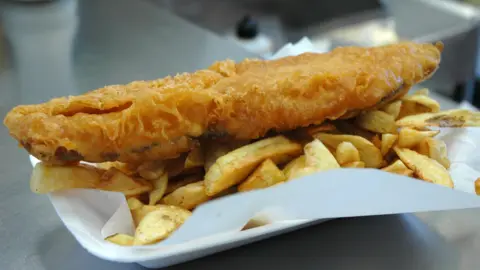
The fish substitution scandal highlights the broader challenges facing Britain's beloved fish and chips culture. As ingredient costs continue to rise and competition intensifies among independent chip shops, proprietors face mounting pressure to maintain profitability while keeping menu prices competitive. For many small business owners, switching to cheaper fish species represents a pragmatic solution to economic pressures, though it fundamentally undermines the authenticity of the product they're selling.
Consumer protection experts emphasize that this practice violates established food labeling regulations and consumer rights legislation. When establishments advertise "traditional fish and chips" or list specific fish varieties on their menus, they have a legal obligation to deliver exactly what they advertise. The BBC investigation provides concrete evidence that this obligation is being systematically breached, with customers paying premium prices for inferior substitutes without their knowledge or consent.
The quality differences between traditional white fish and catfish are significant from both culinary and nutritional perspectives. Catfish possesses a distinctly different flavor profile, texture, and fat content compared to cod or haddock. Discerning customers, particularly those familiar with authentic fish and chips, can often detect the substitution immediately, though many consumers remain unaware they're consuming a different product altogether.

Environmental and sustainability considerations further complicate this issue. Traditional North Atlantic fish stocks face ongoing pressure from overfishing, leading some producers to argue that catfish represents a more sustainable alternative. However, catfish farming practices in certain regions have raised concerns about water quality, chemical use, and environmental impact. The fish industry ethics surrounding these choices remain contentious and multifaceted, with legitimate arguments existing on multiple sides of the debate.
The BBC's investigation included visits to numerous chip shops across different regions, revealing a pattern of mislabeling and consumer deception. In many instances, shop staff appeared either genuinely unaware of what species they were serving or deliberately concealed the information from customers. Some establishments displayed misleading signage suggesting traditional methods and ingredients while actually using cheaper alternatives throughout their operations.
Trading Standards officials have acknowledged the findings and indicated potential enforcement action against businesses found in breach of labeling regulations. However, resource constraints within local authority trading standards departments mean that systematic monitoring and enforcement remain challenging. The onus frequently falls on individual consumers to report suspicious practices, creating a reactive rather than proactive regulatory environment.

Industry representatives have responded to the investigation with mixed reactions. Some chip shop associations have condemned the mislabeling practices as damaging to the broader industry's reputation, while others argue that cost pressures make it nearly impossible to maintain traditional standards without significantly raising menu prices. These diverging perspectives reflect genuine tensions within the sector between maintaining authenticity and remaining economically viable.
The scandal raises important questions about consumer awareness and food literacy. Many customers purchasing fish and chips fail to scrutinize what species they're consuming, focusing primarily on portion size and overall value. Educational initiatives highlighting the differences between fish varieties and their respective qualities could empower consumers to make more informed choices and hold establishments accountable to higher standards.
Looking forward, the investigation may prompt regulatory authorities to implement stricter monitoring procedures and enhanced penalties for fish mislabeling offenses. Some consumer advocates have called for mandatory species identification on menus and receipts, making it impossible for establishments to disguise substitutions. Such measures could fundamentally reshape how chip shops operate and force the industry to confront its sustainability and authenticity challenges more directly.

The broader implications of this investigation extend beyond individual chip shops to encompass larger questions about food system transparency and accountability. As consumers increasingly demand to know the origin and nature of their food, widespread mislabeling practices undermine trust in food service establishments and the regulatory systems supposedly protecting consumer interests. The BBC's findings serve as a cautionary reminder that vigilance and enforcement remain essential components of food safety and consumer protection frameworks.
Source: BBC News


