
Flesh-Eating Bacteria Destroys Man's Limbs in 72 Hours

A Florida man's arm and leg were devastated by flesh-eating bacteria after a minor water injury. Medical experts explain this rare but deadly infection.
A 74-year-old resident of Florida experienced one of medicine's most nightmarish scenarios when he sought emergency medical care with rapidly deteriorating limbs following a seemingly innocent recreational activity at the Gulf Coast. What began as a casual swim would transform into a medical emergency that left both his arm and leg severely compromised by flesh-eating bacteria in just three days, serving as a stark reminder of the dangers lurking in natural waters.
The man had been enjoying otherwise good health and maintaining an active lifestyle along Florida's Gulf Coast when an unfortunate incident changed everything. During his time in the water, he sustained a relatively minor cut on his right leg—the kind of injury that most people would treat casually with basic first aid and think nothing more about. However, this small wound would soon become the entry point for a catastrophic infection that would progress with alarming speed.
Within hours of the initial injury, the cut on his right leg began exhibiting signs of infection that were far more serious than typical wound complications. Pain developed rapidly, accompanied by bruising that seemed disproportionate to the severity of the original laceration. These early warning signs should have alerted medical professionals to the possibility of a serious pathogenic threat, but the speed of progression made containment difficult.
Two days after the initial leg injury, new symptoms emerged on a different part of his body, indicating the infection was not localized to the original wound site. The skin on his right arm began undergoing visible changes in color and appearance, suggesting that the pathogenic organism had spread systemically through his body or that another infection site had developed. This multi-site involvement signaled an exceptionally aggressive infection that was overwhelming his immune system's ability to contain it.
According to a detailed case report published in the New England Journal of Medicine, the clinical presentation that emerged by the third day was genuinely alarming to the medical team that received him. By the time he arrived at the emergency department, the lower portion of his right leg had taken on a darkly discolored appearance, indicating substantial bleeding and tissue death beneath the skin's surface. The medical team observed a distinctive crackling sensation when examining the affected tissue—a sign known as crepitus—which suggested the presence of gas being produced by the bacteria within the dying flesh.
The visible deterioration extended beyond simple discoloration and swelling. Portions of the outer layers of skin were actively peeling away, revealing the damage occurring in deeper tissue structures. His right arm, meanwhile, presented equally concerning symptoms: prominent redness, significant discoloration in varied patterns, and substantial swelling that suggested a severe inflammatory response was underway. Most alarming was the formation of a large hemorrhagic bulla—essentially a massive blood blister—on the arm's surface, a hallmark sign of necrotizing soft tissue infection caused by aggressive pathogenic bacteria.
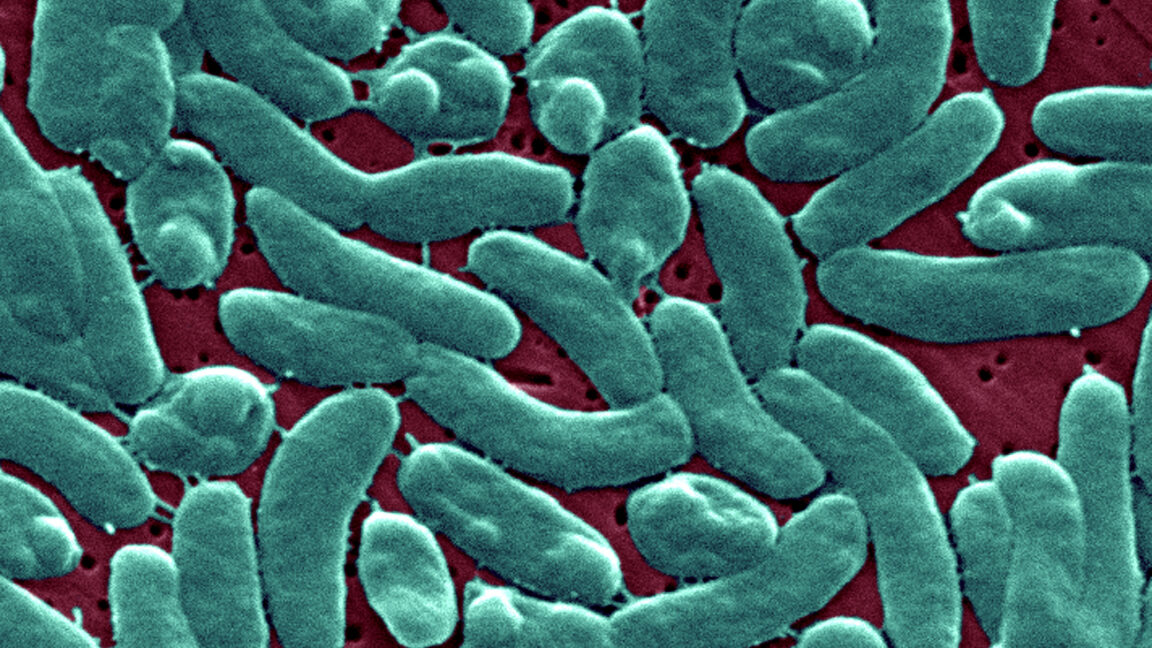
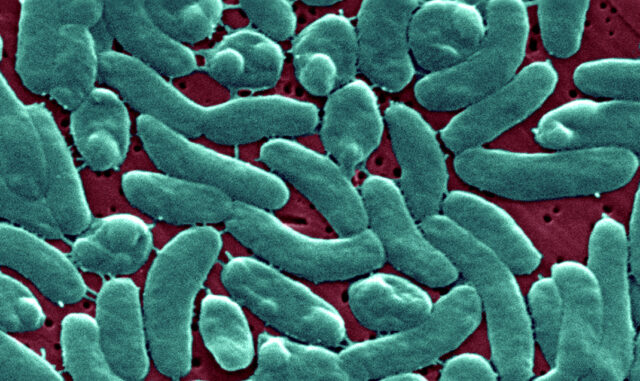
The clinical picture presented by this patient is consistent with infection by Vibrio vulnificus or similar marine bacteria, organisms naturally occurring in saltwater environments that can cause devastating infections in susceptible individuals. These microorganisms are particularly dangerous because they produce enzymes and toxins that rapidly destroy healthy tissue, a process called tissue necrosis. The speed at which these bacteria multiply and the toxins they produce can overwhelm the body's immune response before effective medical intervention can be administered.
The progression from a minor water-related cut to a life-threatening infection in just 72 hours exemplifies how quickly necrotizing fasciitis can develop and spread. This type of infection is considered a medical emergency that requires immediate hospitalization, aggressive antibiotic therapy, and often multiple surgical interventions to remove dead and dying tissue. The mortality rate for necrotizing soft tissue infections remains alarmingly high, particularly in elderly patients or those with underlying health conditions that compromise immune function.
Risk factors for developing these severe infections after water exposure include pre-existing liver disease, diabetes, immunosuppression from any cause, or injuries sustained in warm saltwater environments. The patient in this case, despite his generally active lifestyle, may have had underlying health factors that made him particularly vulnerable to rapid disease progression. Additionally, the warm Gulf Coast waters during summer months provide ideal conditions for the growth and proliferation of pathogenic marine bacteria.

The management of such severe infections typically involves immediate broad-spectrum antibiotic therapy, often with combination treatments targeting multiple potential pathogens. Beyond antibiotics, surgical debridement—the removal of dead and infected tissue—becomes necessary to prevent the infection from spreading further and to give the patient's immune system a chance to regain control. In some cases, multiple surgical procedures may be required as the extent of tissue damage becomes more apparent over time.
This case serves as an important public health reminder about the potential dangers present in natural bodies of water, particularly warm saltwater environments. While the vast majority of people who swim in these waters without incident will experience no problems, individuals with compromised immune systems, open wounds, or certain pre-existing medical conditions should exercise caution. Even minor cuts and abrasions sustained in natural water environments warrant careful monitoring and prompt medical attention if signs of infection develop.
The prevention of water-related infections involves several practical strategies: covering any cuts or abrasions before entering the water, avoiding water exposure immediately after sustaining injuries, and seeking medical evaluation promptly if any signs of infection emerge following water contact. For people with conditions that increase infection risk, avoiding saltwater activities altogether may be the safest approach.
This dramatic case has been documented in medical literature as a reminder to healthcare providers of the importance of recognizing and treating necrotizing soft tissue infections with appropriate urgency. The aggressive nature of these infections means that even a few hours of delay in diagnosis and treatment can result in significantly worse outcomes. Medical professionals must maintain a high index of suspicion for these conditions when patients present with rapidly progressive symptoms following water exposure.
The man's experience underscores a critical lesson about ocean safety and the importance of respecting the potential hazards present in natural environments. While swimming and water recreation are generally safe activities enjoyed by millions, awareness of rare but serious complications like flesh-eating bacterial infections should encourage appropriate precautions, especially among vulnerable populations. His case, documented in prestigious medical journals, will likely help educate both healthcare providers and the general public about these life-altering infections.
Source: Ars Technica

