
Florida Launches Criminal Probe Into 31 Sloth Deaths

Prosecutors investigate deaths of 31 sloths destined for Orlando theme park. Mammals died in unheated warehouse between December 2024 and February 2025.
Florida authorities have escalated their response to an animal welfare crisis involving 31 sloths that perished under questionable circumstances. Prosecutors announced Friday that they have officially launched a comprehensive criminal investigation into the deaths of these endangered mammals, which were imported from South America with the intention of becoming exhibits at a newly planned theme park attraction in the Orlando area.
According to a detailed report from the Florida Fish and Wildlife Commission (FWC) released the previous week, the tragic deaths occurred in an unheated warehouse facility. The sloths, originally extracted from the rainforests of Peru and Guyana, were under the care of the owners of Sloth World, a forthcoming tourist destination that has already drawn significant controversy. The animals succumbed between December 2024 and February 2025, a period during which warehouse temperatures would have dropped substantially during Florida's cooler winter months.
The discovery of the mass animal mortality has raised serious questions about the animal welfare practices and care standards maintained by the theme park operators. Environmental advocates and animal rights organizations have seized upon the incident as evidence of systemic problems with the proposed facility's operational procedures and commitment to animal safety. The investigation represents a potential turning point in regulatory scrutiny of the entertainment venue.
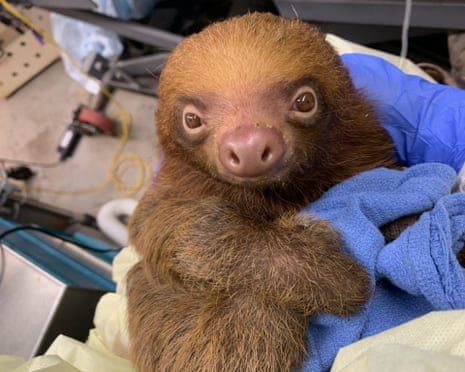
The Sloth World theme park project has faced mounting opposition from multiple quarters since its announcement. Critics argue that the facility represents an inappropriate commodification of endangered wildlife and raises profound ethical concerns about animal captivity. The deaths of these sloths have provided tangible evidence that supporters of the opposition can point to when questioning the park's readiness to operate and its commitment to animal welfare standards.
Sloths are specialized tree-dwelling mammals native to Central and South American rainforests, where they spend the vast majority of their lives in the forest canopy. These creatures have unique metabolic and environmental requirements that make them particularly sensitive to improper housing conditions. The warehouse environment where the animals were kept was fundamentally incompatible with their biological needs, lacking proper heating, humidity control, and the vertical structures these arboreal animals require for normal behavior and health.
The importation process itself has come under scrutiny, as transporting wild-caught animals across international borders involves significant stress and risk of mortality. Conservation experts have noted that capturing sloths from their natural habitats can contribute to population pressures on wild populations, even when the animals are sourced from operations claiming to be sustainable or legal under local regulations.
Florida's regulatory agencies have been examining the circumstances surrounding how Sloth World obtained these animals and what permits and authorizations were required for their importation. The investigation will likely explore whether proper federal and state wildlife regulations were followed throughout the acquisition and holding process. Questions about documentation, veterinary oversight, and compliance with animal care standards form the core of the prosecutorial inquiry.
The criminal investigation launched by Florida prosecutors signals a potential shift in how state authorities handle violations of animal protection laws. Rather than treating the deaths as merely a regulatory matter requiring fines, the decision to pursue criminal charges indicates that officials believe criminal negligence or other serious offenses may have occurred. This elevated level of investigation could result in felony charges against individuals responsible for the animals' care and the decision-making that led to their deaths.
Animal welfare organizations have called for expanded protections and stricter oversight of wildlife entertainment facilities operating within Florida. The state has become a major hub for animal-based theme parks and tourist attractions, some of which have faced previous controversies. This incident has reignited debates about whether current regulatory frameworks provide adequate safeguards for animal welfare and whether such facilities should be permitted to operate at all.
The deaths also raise questions about the broader exotic animal trade and the mechanisms through which such animals reach private operators. Wildlife trafficking and the commercial exotic animal trade have long been recognized as threats to wild populations and vectors for disease transmission. The importation of sloths for entertainment purposes exemplifies how commercial demand can drive unsustainable extraction of wildlife from their native ecosystems.
Legal experts suggest that prosecutors may pursue charges under Florida's animal cruelty statutes, which have been substantially strengthened in recent years. Felony animal cruelty laws can apply when animals die due to gross negligence or intentional mistreatment, and the circumstances surrounding warehouse storage in unsuitable conditions could satisfy such legal standards. The investigation will likely examine communications, veterinary records, and facility maintenance logs to establish a timeline of events and responsibility.
As the criminal investigation proceeds, the future of Sloth World remains uncertain. Even if the park were to proceed with its plans, the negative publicity and regulatory scrutiny resulting from this incident could make obtaining necessary permits and insurance coverage significantly more challenging. Many communities have begun questioning whether they should welcome such facilities, with some local officials expressing reservations about the project's legitimacy and safety record.
The incident has prompted broader conversations about the ethics of wildlife entertainment and whether animal-based theme parks align with modern conservation principles. Advocates for wildlife argue that such facilities normalize the commodification of animals and may actually increase demand for wild animals in captivity. Meanwhile, supporters of ethical sanctuaries contend that properly managed facilities can serve educational purposes and contribute to conservation efforts, though they emphasize the strict standards required.
Florida's Department of Agriculture and Consumer Services, which oversees exotic animal licensing in the state, has indicated it will coordinate with prosecutors during the investigation. The agency's role in the licensing and oversight process is also under examination, as officials determine whether proper inspections and compliance checks were conducted before the animals arrived at the warehouse facility. This aspect of the investigation may result in procedural changes and enhanced oversight mechanisms.
The families and communities affected by the sloth deaths have expressed their grief and concern about the treatment of these vulnerable creatures. Social media campaigns have emerged supporting the criminal investigation and calling for tougher enforcement of animal protection laws. The public outcry has demonstrated significant concern among Florida residents about animal welfare issues and the types of commercial enterprises operating within their state.
Moving forward, the criminal investigation into the deaths of these 31 sloths will likely serve as a landmark case in animal welfare enforcement. Whether the prosecution results in convictions and substantial penalties may influence how other jurisdictions approach similar cases and whether operators of wildlife entertainment facilities increase their investments in proper animal care infrastructure. The outcome of this investigation could reshape the landscape of exotic animal entertainment in Florida and potentially nationwide.
Source: The Guardian


