
Florida Sloth World: Dozens Dead Before Grand Opening

Dozens of sloths died before the opening of Sloth World attraction in Florida. Many perished in warehouse conditions, while others arrived deceased from South America.
A troubling situation unfolded in Florida as preparations began for what was intended to be an exciting new wildlife attraction. The proposed Sloth World venue, designed to showcase these beloved slow-moving mammals, faced a devastating crisis even before its official opening. Authorities have confirmed that dozens of sloths died under circumstances that raise serious questions about animal welfare, transportation practices, and the operational readiness of the facility.
According to investigative reports and statements from regulatory authorities, the deaths occurred during two distinct phases of the animals' journey to Florida. The sloth deaths represented a significant tragedy that has prompted increased scrutiny into how exotic animals are transported and housed during the preparation stages of commercial attractions. The scale of the mortality rate has alarmed animal welfare organizations and prompted officials to examine whether adequate protocols were in place to protect the animals' health and well-being.
The first wave of casualties involved sloths that had been shipped to a Florida warehouse where they were being temporarily held before the attraction's launch. The conditions at this facility proved inadequate for the specialized needs of these tropical animals, leading to preventable deaths that authorities argue could have been avoided with proper planning and infrastructure. The warehouse environment, apparently not designed with the specific requirements of sloths in mind, failed to provide appropriate temperature control, humidity levels, and living space necessary for these creatures to survive.
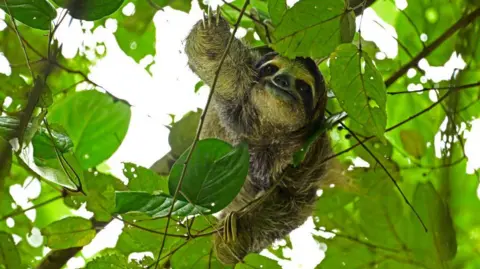
Details about the warehouse conditions paint a concerning picture of operational mismanagement. The facility lacked the necessary climate control systems required to maintain the warm, humid environment that sloths need to thrive. Additionally, the living quarters provided minimal space and insufficient environmental enrichment, creating a stressful situation for animals already traumatized by long-distance transportation. The combination of these factors created a perfect storm that resulted in widespread illness and death among the transported animals.
Beyond the warehouse-related deaths, additional casualties occurred during the international transportation process itself. Multiple sloths arrived at their Florida destination already deceased, indicating that the shipping procedures from South America were also deeply flawed. The animals' journey across thousands of miles, likely involving multiple transfers and prolonged periods in transit, proved fatal for numerous individuals who couldn't withstand the stress and physical demands of such extensive travel.
The source of the sloths adds another layer of complexity to this situation. These animals had been collected from South America, where they naturally inhabit the rainforest canopies and tropical environments. Capturing wild sloths, preparing them for transportation, and moving them across continents to a commercial facility represents an inherently risky endeavor that requires extraordinary care and expertise. The apparent lack of specialized knowledge and preparation evident in this case suggests that those responsible may have underestimated the challenges involved in such an operation.
Authorities have launched formal investigations into the circumstances surrounding the Sloth World deaths, examining whether any laws were violated and whether criminal negligence may have played a role. Regulatory agencies responsible for overseeing wildlife importation and facility operations are reviewing every aspect of the project's planning and execution. Questions have been raised about whether proper permits were obtained, whether veterinary oversight was provided, and whether anyone conducting the operation had legitimate expertise in animal care.
The incident has sparked broader conversations within the animal welfare community about the ethics and practicality of creating attractions centered on exotic animals. Animal rights advocates have pointed to this tragedy as evidence that exotic animal facilities often prioritize profit over the welfare of the creatures they promise to showcase. Many argue that sloths, in particular, are poorly suited for captivity in commercial settings, given their specialized dietary needs, slow metabolic rates, and sensitive behavioral requirements.
The reputational damage to the proposed attraction has been substantial and potentially irreversible. What was intended to be a destination venue offering tourists an up-close experience with these charismatic animals has instead become synonymous with animal suffering and operational incompetence. The deaths of dozens of innocent creatures before the attraction ever welcomed its first paying customer represent a profound failure of responsibility and planning.
Moving forward, the facility faces an uncertain future. Regulatory authorities will likely impose strict conditions on any future operations, assuming the attraction is permitted to open at all. New management, additional staff training, complete infrastructure upgrades, and comprehensive veterinary oversight would be necessary before the facility could be considered safe for animals. The cost and complexity of implementing these changes may prove prohibitive, potentially leading to the permanent closure of the project.
This tragic situation serves as a cautionary tale about the dangers of expanding into exotic animal care without adequate preparation, expertise, and infrastructure. The deaths of these sloths represent not just a business failure, but a profound ethical failure to protect vulnerable creatures placed under human care. As investigations continue and authorities determine the full scope of responsibility, the focus remains on ensuring that such preventable tragedies do not occur again, and on holding accountable those who failed in their duty of care to these remarkable animals.
Source: BBC News


