
Football Empowers Indian Girls Against Forced Marriage

Two sisters in rural India share how playing football transformed their lives and gave them the strength to resist child marriage traditions.
In a small village nestled in rural India, two sisters are rewriting the narrative of their lives through the power of football. Their story represents a growing movement where sports are becoming a catalyst for social change, particularly in combating the deeply rooted practice of child marriage. These young women have discovered that the beautiful game offers more than just physical exercise – it provides a pathway to empowerment, education, and freedom from traditional constraints that have limited generations of girls before them.
The elder sister, now 17, recalls how her life began to change when a local NGO introduced football to their village three years ago. Initially met with skepticism and resistance from conservative community members, the football program slowly gained acceptance as parents witnessed the positive transformation in their daughters. The younger sister, aged 15, joined the team shortly after, finding in the sport not just a passion but a shield against the mounting pressure to marry at a young age.
"When I started playing football, I felt strong for the first time in my life," shares the elder sister, her eyes lighting up as she describes her first goal. "On the field, nobody could tell me I was weak because I was a girl. Nobody could say I belonged only in the kitchen or that my only purpose was to get married and have children. Football gave me a voice I never knew I had."
The transformation extends beyond individual empowerment to challenging societal norms within their community. Through their dedication to the sport, both sisters have managed to stay in school longer than many of their peers, using their athletic commitments as leverage to delay marriage discussions. Their parents, initially hesitant about their daughters' involvement in sports, have gradually become their strongest supporters, recognizing how football has enhanced their confidence, physical health, and social awareness.
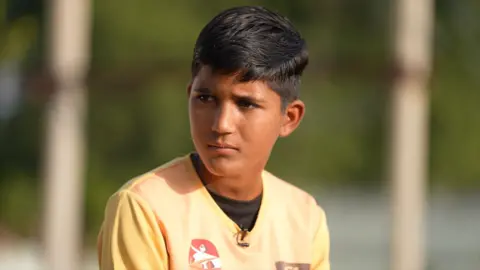
The younger sister explains how the sport has equipped her with negotiation skills and the confidence to articulate her dreams. "Before football, when relatives talked about finding me a husband, I would just stay quiet and feel scared," she reveals. "Now I tell them I want to finish my studies first, maybe even play football professionally. They listen to me differently now because they see I'm serious about my goals."
Their football journey has also connected them with a broader network of like-minded girls and women who share similar aspirations. Through inter-village tournaments and training camps, they've met other young women who have successfully delayed or avoided forced marriage through sports participation. These connections have created a support system that extends far beyond their immediate community, providing role models and mentorship opportunities that were previously unavailable.
The local coach, a former professional player who returned to her village to establish the girls' football program, emphasizes the strategic importance of sports in addressing child marriage. "Football creates a legitimate reason for girls to be out of the house, to travel, to interact with people from different backgrounds," she explains. "Parents see their daughters gaining respect in the community for their athletic achievements, which makes them reconsider the rush to marry them off."
Beyond the immediate protection against early marriage, football has opened doors to educational opportunities that seemed impossible before. Both sisters have received scholarships to continue their studies, with the elder sister expressing interest in pursuing sports management while the younger dreams of becoming a professional player. Their academic performance has improved significantly since joining the team, as the discipline and goal-setting skills developed through sports have translated into better study habits and higher aspirations.
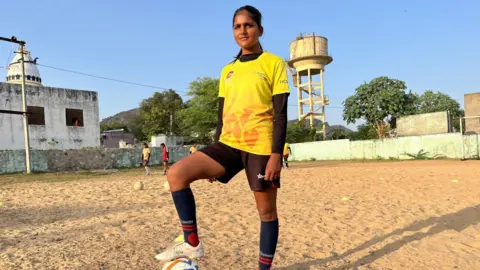
The ripple effects of their involvement in football extend to their younger female relatives and neighbors. Several girls in their village have joined the team after witnessing the sisters' transformation, creating a growing movement of empowered young women. Parents who were once skeptical now actively encourage their daughters to participate, recognizing that sports involvement correlates with improved self-esteem, better health, and delayed marriage.
However, the journey hasn't been without challenges. The sisters faced initial resistance from conservative community members who viewed girls playing sports as inappropriate or threatening to traditional values. They've had to navigate criticism about their athletic attire, their travel for tournaments, and their increased visibility in public spaces. Through persistence and by consistently demonstrating respect for their cultural values while pursuing their athletic goals, they've gradually won over many skeptics.
The economic aspect of their football involvement has also played a crucial role in changing family dynamics. Both sisters have earned prize money from tournaments and received equipment sponsorships, contributing financially to their households. This economic contribution has elevated their status within the family structure, giving them more influence in decisions that affect their lives, including discussions about marriage timing and partner selection.
Their success story has attracted attention from regional media and women's rights organizations, amplifying their message beyond their immediate community. They've become advocates for girls' education and sports participation, speaking at events and workshops about the transformative power of athletics in combating harmful traditional practices like child marriage. Their articulate advocacy demonstrates how sports have developed their communication skills and social awareness.
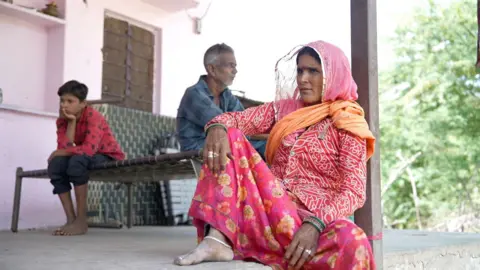
Looking toward the future, both sisters envision a world where girls in rural India have access to sports programs as a standard part of their education and development. They're working with local organizations to establish more football teams in neighboring villages, sharing their expertise and enthusiasm with other young women facing similar challenges. Their goal extends beyond personal success to creating systemic change that will benefit future generations of girls.
The elder sister reflects on how football has fundamentally altered her life trajectory: "Three years ago, I thought my life was already decided – early marriage, children, household work. Now I have choices, dreams, and the strength to pursue them. Football didn't just change my body; it changed my mind and my future."
Their story illustrates the profound impact that sports programs can have in addressing complex social issues like child marriage. By providing girls with alternative identities, skills, and support networks, football has become a powerful tool for social transformation in rural communities. The sisters' journey demonstrates that sustainable change often comes not through direct confrontation of harmful practices, but through empowering individuals with the tools and confidence to forge their own paths.
As their influence continues to grow, these two sisters represent hope for countless other girls facing similar circumstances. Their success proves that with the right support and opportunities, young women can challenge centuries-old traditions and create new possibilities for themselves and their communities. Through the simple act of kicking a ball, they've kicked down barriers and opened doors to a future filled with choice, education, and empowerment.
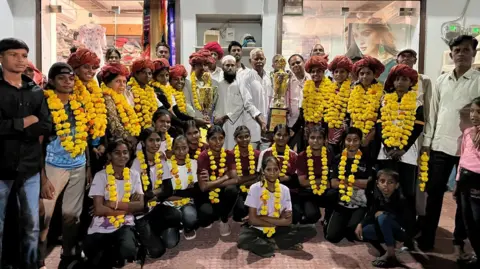
Source: BBC News


