
Former BBC Journalist Targeted in Covert Surveillance Campaign by UK Authorities

A tribunal has heard that UK police and intelligence agencies subjected a former BBC journalist to an 'unprecedented' campaign of illegal surveillance to identify his sources.
A former BBC journalist was the target of a long and consistent campaign of unlawful interference by UK police and intelligence agency MI5, a tribunal has heard. Vincent Kearney, who served as the BBC's Northern Ireland home affairs correspondent, was subjected to unprecedented surveillance over an eight-year period as authorities sought to uncover the identities of his journalistic sources.
Kearney's lawyer told the tribunal that the surveillance tactics used against the veteran journalist were highly unusual and went far beyond what would normally be expected, even for high-profile public figures. The authorities' actions included obtaining communications data from Kearney's mobile phone in an effort to track his contacts and information sources.
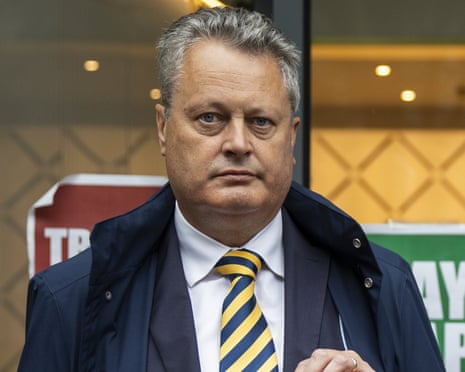
The targeting of journalists by UK authorities in this manner has raised serious concerns about the erosion of press freedoms and the ability of the media to protect the confidentiality of their sources. Experts have warned that such covert monitoring of reporters could have a chilling effect, discouraging whistleblowers and other potential sources from coming forward.
Kearney's case is not the first time UK security services have been accused of overstepping their bounds in surveillance of journalists. In 2013, it was revealed that police had obtained the phone records of a reporter to identify a confidential source who had leaked information about the so-called 'Plebgate' scandal involving a government minister.
The tribunal hearing Kearney's case is part of a broader reckoning over the legality and oversight of surveillance tactics used by UK intelligence and law enforcement agencies. Critics have long argued that such powers have been abused, with insufficient safeguards and judicial oversight to protect civil liberties and press freedoms.
As the case progresses, it will likely shine further light on the secretive world of domestic intelligence gathering in the UK and the delicate balance between national security and individual rights. The outcome could have significant implications for how journalists and their sources are protected in the future.


