
Former FBI Chief Comey Faces Fresh Justice Department Indictment

James Comey, former FBI director, faces new criminal charges filed by the Justice Department. Details of the indictment remain unclear following a dismissed congressional testimony case.
In a significant development that has captured the attention of legal experts and political observers nationwide, the Justice Department has filed new criminal charges against James Comey, the former director of the Federal Bureau of Investigation, according to multiple sources familiar with the matter. The announcement, which came on Tuesday, marks yet another chapter in the ongoing legal complexities surrounding the prominent law enforcement figure whose tenure at the FBI spanned several tumultuous years of American political history.
The precise nature of the charges remains shrouded in mystery at this juncture, with neither official DOJ statements nor preliminary court documents clarifying the specific allegations against the former bureau chief. The Justice Department notably declined to provide immediate comment when contacted about the newly filed indictment, a move that has fueled speculation among legal analysts about the gravity and complexity of the charges. This development represents a fresh legal challenge for Comey, who has already navigated multiple investigations and inquiries throughout his distinguished yet controversial career in federal law enforcement.
This latest indictment arrives in the wake of an earlier case involving allegations related to Comey's congressional testimony, which was ultimately dismissed by the courts. That previous case had generated considerable discussion within legal and political circles regarding the boundaries of executive privilege, the obligations of federal officials to testify before Congress, and the proper role of the Justice Department in prosecuting cases involving sitting and former government officials. The dismissal of that earlier matter left many questions unresolved and did not appear to conclude the department's interest in investigating Comey's conduct.
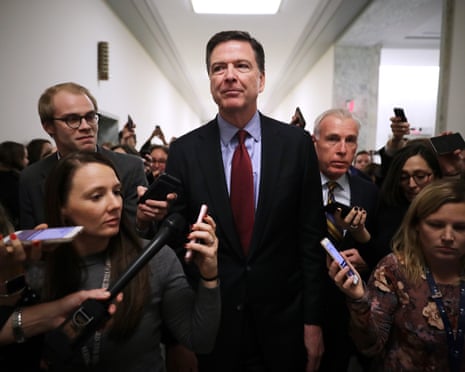
The timing of this new indictment comes during a particularly charged political period in the United States, where scrutiny of federal law enforcement agencies and their leadership has become increasingly contentious. James Comey, whose FBI career included overseeing major investigations and making controversial public statements about ongoing matters, has become a polarizing figure across the political spectrum. His firing by President Donald Trump in 2017 and subsequent public appearances and statements have kept him in the spotlight for years, making any new legal action against him a matter of intense public interest and debate.
Comey served as the director of the Federal Bureau of Investigation from 2013 until his dramatic termination in May 2017, a tenure that included the bureau's investigation into Hillary Clinton's use of a private email server as Secretary of State and the subsequent investigation into potential coordination between the Trump campaign and Russian officials. His public statements and decisions regarding the Clinton investigation proved deeply controversial, with critics arguing that his actions influenced the 2016 presidential election outcome. Throughout his career, Comey has maintained that his decisions were made according to legal principles and professional standards, though many have disputed these characterizations.

The criminal indictment against Comey signals that federal prosecutors continue to investigate various aspects of his conduct while in office and potentially after his departure from the FBI. Legal experts have noted that charges of this nature against high-ranking federal officials are relatively uncommon, suggesting that prosecutors may believe they have evidence of substantial misconduct. The specifics of what the Justice Department alleges will become clearer once the indictment is unsealed and made available for public review, though court proceedings may proceed under protective orders that limit the disclosure of certain sensitive information.
This development represents another turn in what has become an extended legal and political saga involving one of America's most prominent law enforcement figures. The former FBI director's legacy remains contested, with supporters viewing him as a principled official who upheld institutional integrity even when faced with political pressure, while critics contend that his actions and statements represented an inappropriate exercise of discretionary power. The new charges will undoubtedly intensify debates about Comey's conduct and will likely lead to additional scrutiny of his decision-making during his tenure at the bureau.
As the Justice Department proceeds with this case, legal observers will be watching closely to understand the evidentiary basis for the charges and what they might reveal about federal prosecutors' assessment of Comey's actions. The former FBI director is expected to mount a vigorous legal defense, and his case will likely proceed through the federal court system with significant media attention. The outcome of this legal proceeding could have implications not only for Comey himself but also for broader questions about the accountability of senior federal officials and the proper exercise of prosecutorial discretion by the Department of Justice.
The filing of these charges also occurs against the backdrop of ongoing political division regarding the role of the FBI and federal law enforcement more broadly. Questions about the independence of the Justice Department, the politicization of law enforcement, and the appropriate standards for prosecuting government officials have become increasingly prominent in American political discourse. Comey's case will inevitably be drawn into these larger debates, regardless of the specific factual and legal questions that the new charges raise.
Until the Department of Justice provides additional details and the indictment is fully unsealed, the exact allegations and charges against the former FBI director will remain unclear. However, what is certain is that this new legal action marks a continuation of the intense scrutiny and legal challenges that have characterized Comey's post-FBI career. The resolution of this case will be followed closely by legal experts, political observers, and the general public, as it addresses fundamental questions about accountability, authority, and the rule of law in the American system of government.
Source: The Guardian


