
Former Guinea Army Commander Dies in Prison for 2009 Stadium Massacre

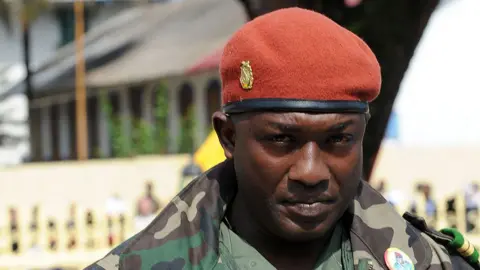
Aboubacar Sidiki Diakité, the former Guinean army commander convicted of leading the 2009 stadium massacre that killed over 150 people, has died in prison.
Aboubacar Sidiki Diakité, the former Guinean army commander convicted of orchestrating the deadly 2009 stadium massacre, has passed away while serving his sentence in prison. Diakité was found guilty of crimes against humanity for his role in the tragic event, which claimed the lives of more than 150 people in the capital city of Conakry.
The 2009 massacre remains a dark chapter in Guinea's history. On September 28th of that year, thousands of pro-democracy protesters had gathered at the national stadium to voice their opposition to then-President Moussa Dadis Camara's plans to extend his rule. Diakité, who was the head of the presidential guard at the time, commanded security forces to open fire on the unarmed civilians. The ensuing chaos led to a stampede, with many people crushed to death or killed by gunfire.
In the aftermath, the Guinean government initially denied any wrongdoing, but international human rights groups quickly condemned the massacre as a premeditated attack on peaceful demonstrators. Diakité was later arrested and charged with crimes against humanity for his central role in the incident.
After a lengthy legal process, Diakité was convicted in 2012 and sentenced to life in prison. He had been incarcerated at a maximum-security facility in the capital Conakry until his death on March 10th, 2023. The exact cause of his passing has not been officially disclosed by Guinean authorities.
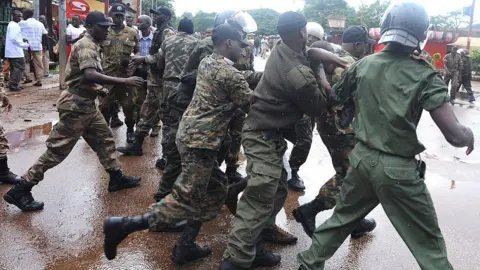
The 2009 stadium massacre was a devastating blow to Guinea's democratic aspirations and sparked international outrage. Diakité's death, while not unexpected given his advanced age and time served, does little to heal the wounds of that tragic day. Families of the victims continue to seek justice and closure, as the scars of the massacre remain etched in the country's collective memory.
As Guinea navigates its ongoing political turmoil, the legacy of the 2009 stadium killings serves as a stark reminder of the consequences of unchecked power and the importance of protecting the fundamental rights of citizens. Diakité's passing may bring a measure of closure, but the work of ensuring such atrocities never happen again remains an enduring challenge for the West African nation.
Source: BBC News


