
Fortescue Pays Record $150M to Indigenous Yindjibarndi

Federal court orders Fortescue to pay $150 million to Yindjibarndi traditional owners for cultural harm caused by Solomon Hub iron ore mine operations.
Fortescue Metals Group has been ordered by the Federal Court to pay a landmark $150 million in compensation to the Yindjibarndi traditional owners, marking the largest native title compensation payout in Australian history. This unprecedented decision reflects the court's determination that the multibillion-dollar Solomon Hub iron ore mine caused significant cultural and social harm to the indigenous community, including the destruction of 140 irreplaceable heritage sites.
The Solomon Hub iron ore mine, which commenced operations in 2013, has proven to be an extraordinarily profitable venture for Fortescue, extracting millions of tonnes of iron ore and generating an estimated $80 billion in revenue over its operational period. However, the Western Australian government approved the mine's development without obtaining the formal consent of the Yindjibarndi traditional owners, whose ancestral lands and sacred sites were directly impacted by the mining operations.
This groundbreaking court ruling establishes a critical precedent in indigenous land rights and native title law within Australia. The Federal Court's decision acknowledges the profound and lasting damage inflicted upon the Yindjibarndi people through the loss of their cultural heritage sites and the disruption of their traditional way of life. The case underscores the tension between economic development and the protection of indigenous cultural assets, forcing major corporations and government bodies to reconsider their obligations toward traditional land custodians.

The compensation amount of $150 million represents a substantial acknowledgment of the cultural losses sustained by the Yindjibarndi community. This figure goes beyond typical monetary remedies and reflects the court's recognition that certain cultural and historical damages cannot be easily quantified or remedied. The destruction of 140 heritage sites—archaeological locations of significant cultural importance—represents an irreversible loss that affects not only the current generation but also future descendants of the Yindjibarndi people.
Throughout the legal proceedings, evidence was presented documenting how the mining operations directly resulted in the physical destruction of numerous Aboriginal heritage sites, including sacred locations with deep spiritual and historical significance. These sites contained artifacts, rock formations, and landscape features that had been part of Yindjibarndi culture and identity for countless generations. The court determined that Fortescue's mining activities, while economically beneficial, failed to adequately protect or respect these irreplaceable cultural resources.
The Yindjibarndi traditional owners' legal battle against Fortescue has been a lengthy and complex process, involving extensive documentation of the mine's impact on their lands and cultural heritage. The community's persistence in pursuing justice through the courts has ultimately resulted in this historic settlement, which sends a clear message to other mining companies about their responsibilities toward indigenous communities and cultural heritage protection.
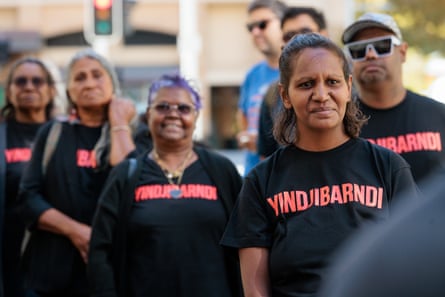
This decision is expected to have significant implications for how Australia's mining industry approaches indigenous consultation and compensation in future projects. Companies operating on or near traditional lands will likely face increased scrutiny and higher expectations regarding their engagement with indigenous communities. The ruling may also encourage other indigenous groups who have experienced similar impacts from mining operations to pursue comparable legal action.
The Fortescue case highlights the ongoing debate within Australia about balancing economic growth with the protection of indigenous rights and cultural heritage. While mining contributes substantially to Australia's economy and employment, the country's indigenous communities have historically borne disproportionate costs through the loss of their lands, resources, and cultural sites. This decision represents a step toward more equitable recognition of those costs.
Industry observers note that the $150 million payout, while substantial, amounts to less than two percent of the estimated $80 billion in revenue generated by the Solomon Hub mine since 2013. This calculation underscores the economic magnitude of the mining operation and raises questions about whether the compensation adequately reflects the true value of the cultural losses incurred by the Yindjibarndi people.
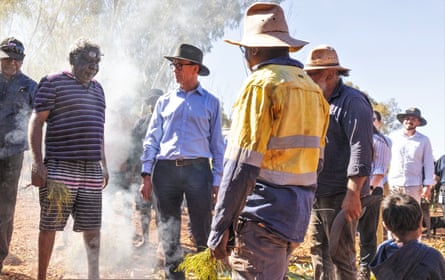
The Yindjibarndi community has indicated that the compensation funds will be used to support cultural preservation initiatives, education programs, and community development projects. These investments are intended to help the community document and preserve remaining cultural knowledge, support younger generations in connecting with their heritage, and promote economic self-determination for the Yindjibarndi people moving forward.
Fortescue's statement following the ruling acknowledged the court's decision while emphasizing the company's commitment to improved engagement with indigenous stakeholders. The mining giant has indicated it will implement enhanced protocols for heritage protection and indigenous consultation in its future operations. However, critics argue that such commitments should have been prioritized from the inception of the Solomon Hub project.
Legal experts have described this decision as potentially transformative for native title law in Australia, as it establishes clearer precedents for quantifying cultural harm and holding major corporations accountable for damage to indigenous heritage sites. The ruling may influence how future disputes between mining companies and indigenous communities are resolved, potentially strengthening the bargaining position of traditional land custodians in negotiations with resource extraction companies.
The broader implications of this case extend beyond Fortescue and the Yindjibarndi people, affecting how Australia approaches the fundamental question of whose interests take priority when economic development conflicts with indigenous cultural preservation. As the nation grapples with increasing international pressure to address historical injustices toward indigenous populations, decisions like this one suggest a gradual shift toward greater accountability and financial restitution for past harms.
Source: The Guardian


