
Four Arrested in Home Insulation Fraud Scheme

Serious Fraud Office raids homes and businesses in major investigation into alleged conspiracy to defraud public money through insulation program.
In a significant development in fraud investigation, authorities have arrested four individuals suspected of involvement in an elaborate home insulation scheme designed to defraud public funds. The Serious Fraud Office (SFO), the UK's premier white-collar crime prosecution agency, conducted coordinated raids across multiple residential and commercial properties as part of a comprehensive probe into the suspected conspiracy. The operation marks an escalation in efforts to clamp down on organized financial crime targeting government-funded programs intended to benefit households across the nation.
The serious fraud investigation centers on allegations that the suspects orchestrated a coordinated scheme to unlawfully extract money from public funds designated for home insulation initiatives. These programs, designed to improve energy efficiency and reduce household utility bills, have become an unfortunate target for criminal elements seeking to exploit government support systems. The SFO's decision to launch raids indicates investigators believe there is substantial evidence linking the arrested individuals to the alleged conspiracy, suggesting a deliberate and premeditated operation rather than isolated incidents of misconduct.
Detectives executed simultaneous raids on properties belonging to the suspects, seizing documents, electronic devices, and financial records as part of the evidence gathering process. The coordinated nature of these operations demonstrates the level of sophistication investigators believe the suspected fraudsters employed. By striking multiple locations at the same time, law enforcement sought to prevent destruction of evidence and preserve the integrity of crucial materials that could prove the conspiracy in court proceedings.
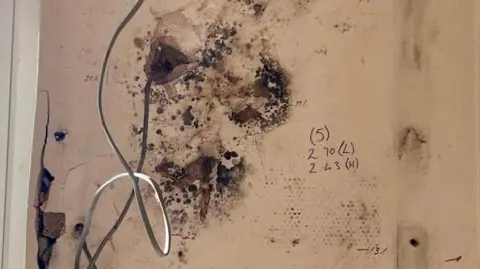
The insulation fraud allegations come amid growing concerns about the vulnerability of government benefit schemes to criminal exploitation. Home insulation programs, while beneficial for legitimate beneficiaries, require substantial funding allocations and rely on contractors and applicants to provide accurate information. Criminals have increasingly recognized these programs as opportunities to generate illegal profits through false claims, inflated invoices, and fictitious work completion reports. This particular investigation appears to reveal a more organized and systematic approach to defrauding these initiatives.
The Serious Fraud Office has not publicly disclosed the specific amounts allegedly defrauded, but sources suggest the sums involved are substantial enough to warrant the agency's direct involvement. The SFO typically handles cases involving fraud exceeding certain financial thresholds or those demonstrating particular complexity or significance. The decision to allocate resources to this investigation underscores authorities' assessment that this case represents a serious threat to the integrity of public spending and warrants intensive prosecutorial attention.
The conspiracy to defraud charge carries significant legal implications for those arrested. Under British law, conspiracy charges require proof that two or more individuals agreed to commit fraud and took steps to further that agreement. Proving such allegations requires establishing both the existence of the agreement and the actions taken in furtherance of the conspiracy. The evidence gathered during the raids will be crucial in demonstrating these elements to prosecutors and potentially to a jury.

The arrested individuals remain in custody pending further questioning by SFO investigators. The interrogation process represents a critical phase in the investigation, as authorities seek to establish the roles each suspect played within the alleged conspiracy. Investigators will attempt to identify who orchestrated the scheme, which individuals carried out specific fraudulent activities, and how the defrauded funds were distributed among the participants. These details are essential for building a prosecutable case and potentially identifying additional suspects.
Home insulation programs have become increasingly important in the UK's climate change strategy and energy efficiency initiatives. The government allocates substantial funding annually to help homeowners improve their property insulation, thereby reducing energy consumption and lowering carbon emissions. These laudable environmental objectives, combined with significant financial resources, create conditions that attract criminal attention. The alleged fraud in this case threatens to undermine public confidence in these important initiatives and may result in tighter controls and reduced accessibility for legitimate applicants.
The investigation highlights the challenges government agencies face in protecting public funds while maintaining efficient service delivery. Balancing security measures against fraud with accessibility for legitimate beneficiaries requires sophisticated screening processes and verification systems. The existence of this alleged fraud scheme suggests that current safeguards may have gaps, prompting questions about oversight mechanisms and contractor vetting procedures. Government officials responsible for these programs will likely implement additional security measures in response to these allegations.
The public money fraud allegations carry implications beyond the immediate investigation. Fraudulent activities targeting government programs increase costs for taxpayers and reduce funding available for legitimate beneficiaries. When criminals successfully defraud these schemes, it means fewer resources exist for households genuinely seeking to improve their homes' energy efficiency. This ripple effect extends the harm caused by fraud far beyond the direct loss amount, affecting communities and individuals who depend on these assistance programs.
The SFO's involvement signals the serious nature of the charges and authorities' commitment to prosecuting organized financial crime. The agency specializes in investigating complex fraud cases and has the expertise and resources necessary to unravel sophisticated criminal schemes. Their engagement indicates that prosecutors believe they can build a robust case against the arrested individuals and that securing convictions is achievable based on the evidence already gathered. The investigation continues, with detectives pursuing additional lines of inquiry and examining the full scope of the alleged conspiracy.
As the investigation develops, authorities anticipate that charges may be formally brought against the arrested individuals in the coming weeks. The charging decision will depend on prosecutors' assessment of the evidence and the strength of the case against each suspect. If charges are filed, the suspects will appear before magistrates' courts for initial proceedings, potentially followed by transfer to Crown Court for trial if the charges are serious enough. The legal process from arrest to potential conviction typically spans months or years, requiring extensive preparation and evidence presentation.
This investigation serves as a reminder of the persistent threat that organized fraud poses to government programs and public resources. Criminal networks continuously develop new methods to exploit funding mechanisms, often targeting programs involving high-volume transactions and multiple processing points. The successful investigation and prosecution of this alleged scheme sends a message to potential fraudsters that such activities carry significant legal consequences. However, the existence of the scheme in the first place indicates that more preventative measures and detection systems are necessary to protect public funds.
The case also demonstrates the importance of inter-agency cooperation in combating sophisticated fraud. The SFO works alongside local law enforcement, financial investigators, and program administrators to identify and prosecute fraudulent activities. This collaborative approach enables authorities to cross-reference data, share intelligence, and coordinate enforcement actions effectively. As fraud schemes become increasingly complex, requiring skills in forensic accounting, financial analysis, and digital investigation, such cooperation becomes ever more essential for successful prosecution.
Source: BBC News


