
Four Italian Divers Found Dead in Maldives Underwater Cave

Rescue teams located the bodies of four missing Italian divers in an underwater cave in the Maldives after a four-day search operation. Recovery efforts are underway.
In a tragic development that has captured international attention, rescue teams have successfully located the bodies of four Italian divers who went missing during an exploration mission in the Maldives. The discovery came four days after the divers were first reported missing, marking the conclusion of an intensive and dangerous search and rescue operation in the Indian Ocean island nation. The bodies were found deep within an underwater cave system located within one of the atolls that make up the Maldives archipelago, one of the world's most popular diving destinations.
The recovery operation had faced significant complications and was temporarily suspended following a devastating incident in which a local military diver lost his life while attempting to reach the missing explorers. This tragic death underscored the extreme hazards associated with underwater cave diving operations, particularly in the challenging conditions presented by the Maldives' complex cave systems. The suspension of the search was a difficult but necessary decision made by authorities to reassess safety protocols and prevent further loss of life among the rescue personnel involved in the operation.
According to an official spokesperson for the Maldivian government, rescue authorities are planning to attempt the recovery of the four divers' bodies within the next couple of days. The timeline for this delicate operation depends heavily on weather conditions, water currents, and the technical capabilities required to safely extract remains from the deep cave environment. Officials have emphasized that while locating the bodies represents a significant breakthrough in the search operation, the actual recovery process will require meticulous planning and specialized equipment.
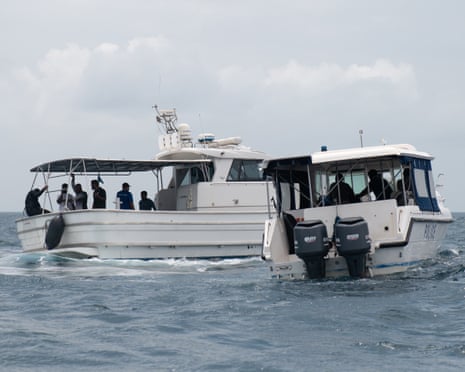
The Italian diving expedition has raised important questions about the safety standards and protocols governing recreational and exploratory diving activities in the Maldives. Cave diving is widely recognized as one of the most dangerous forms of recreational diving, requiring extensive training, specialized equipment, and strict adherence to safety procedures. The incident has prompted renewed discussions among international diving organizations about the necessity of enhanced safety regulations and the importance of mandatory certifications for those undertaking such challenging underwater explorations.
The search operation that led to the discovery of the bodies involved extensive coordination between Maldivian authorities, international rescue teams, and diving experts from multiple countries. The search and rescue mission deployed sophisticated underwater detection equipment, unmanned submersibles, and experienced divers to systematically explore the cave system where the Italian divers had ventured. The operation demonstrated both the capabilities and limitations of current rescue technology when dealing with complex underwater cave environments in remote locations.
The death of the local military diver who perished during an earlier rescue attempt highlighted the extraordinary risks that rescue personnel face when attempting to access submerged caves. This sacrifice brought into sharp focus the difficult choices that must be made between continuing rescue efforts and protecting the lives of those involved in the operation. The incident serves as a sobering reminder of the inherent dangers present in deep water rescue operations, particularly in challenging geological formations.
The Maldives, despite its reputation as a world-class diving destination, has experienced several diving-related incidents over the years. The archipelago's numerous atolls and reef systems attract thousands of diving enthusiasts annually, making safety a paramount concern for local authorities and tourism operators. The latest incident has prompted calls for stricter enforcement of existing diving regulations and improved coordination between resort operators, government authorities, and international diving safety organizations.
Families and friends of the missing Italian divers have been kept informed of the search progress throughout the operation, which has drawn significant media attention in both Italy and internationally. The tragedy has sparked emotional responses across social media and traditional news outlets, with many in the diving community expressing their condolences and reflecting on the inherent risks associated with cave diving. The incident has also generated broader discussions about personal responsibility, risk assessment, and the ethics of allowing dangerous recreational activities in foreign countries.
The recovery operation represents the next critical phase of this tragedy, requiring specialized extraction techniques and careful coordination between multiple agencies. Authorities have indicated that weather conditions and technical constraints may impact the timeline for bringing the bodies to the surface safely. The focus now shifts from search operations to respectful and dignified recovery, with authorities working to ensure that the remains are treated with appropriate care and prepared for return to Italy.
This incident will likely have lasting implications for how the Maldives and other popular diving destinations regulate cave diving activities and enforce safety standards. International diving organizations are expected to review the circumstances surrounding this tragedy and potentially recommend enhanced certification requirements or stricter liability standards for operators who permit dangerous dive operations. The incident underscores the tension between individual freedom to pursue risky activities and the responsibility of governments to protect both divers and rescue personnel.
The broader diving community and international media continue to monitor developments as authorities prepare for the recovery phase of this operation. The incident serves as a powerful reminder of the importance of respecting natural environments, adhering to safety protocols, and understanding the genuine risks associated with underwater exploration. As the recovery operation unfolds, it is expected that more details about the circumstances of the divers' deaths will emerge, potentially offering valuable lessons for the diving industry and safety organizations worldwide.
Source: The Guardian


