
Four Rescued After Bus Plunges Into Seine River

A bus driven by a trainee driver veered off the road and plunged into the Seine near Paris. Four passengers were rescued from the river in Juvisy-sur-Orge.
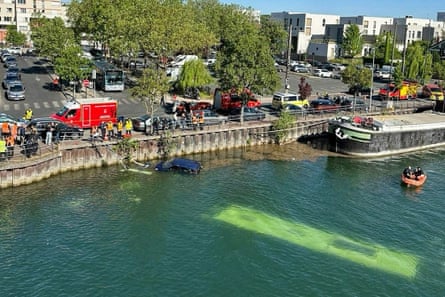
A dramatic rescue operation unfolded near Paris on Wednesday when four people were rescued from the Seine after a bus careened off the road and plunged into the river. The incident occurred in the town of Juvisy-sur-Orge, located southeast of the French capital, and immediately prompted emergency responders to launch a coordinated rescue effort to save those trapped in or around the submerged vehicle.
According to French prosecutors, the bus collision began when the vehicle, which was being operated by a trainee driver, struck a parked car on the roadway. The impact caused the bus to lose control, veer dramatically off the road surface, and subsequently plunge into the waters of the Seine. The sequence of events unfolded rapidly, leaving little time for those onboard to react to the dangerous situation developing around them.
Emergency services responded swiftly to reports of the bus accident in the Seine, mobilizing rescue teams equipped to handle water-based emergencies. The rapid response of emergency personnel proved crucial in ensuring that all four individuals were successfully extracted from the river. Divers and rescue workers coordinated their efforts to locate and safely retrieve each person from the water, demonstrating the efficiency of France's emergency response protocols.

The Seine river rescue operation highlighted the dangers that can arise from traffic incidents in populated areas near water bodies. Juvisy-sur-Orge, situated in the Essonne department, is an important transit hub with significant daily traffic volume. The presence of the river in close proximity to major roadways creates additional hazards that emergency planners must continually account for when designing safety protocols and response strategies.
The involvement of a trainee bus driver in the accident raises important questions about driver training, supervision, and road safety procedures. Trainee drivers operating large commercial vehicles require appropriate oversight and support, particularly when navigating complex urban environments where numerous obstacles and hazards exist. The circumstances surrounding how the vehicle came to strike the parked car will likely be subjects of thorough investigation by authorities seeking to understand the root causes of the incident.
French authorities initiated a comprehensive investigation into the Juvisy-sur-Orge bus crash to determine the precise sequence of events and contributing factors. Prosecutors began reviewing evidence, interviewing witnesses, and examining the vehicle itself to understand whether mechanical failure, driver error, weather conditions, or other variables played a role in the accident. The investigation process is expected to take considerable time as officials work to establish a clear picture of what transpired.
The successful rescue of all four individuals from the water represents a positive outcome in what could have been a far more tragic situation. Water rescue operations require specialized training, equipment, and quick decision-making to prevent drowning and hypothermia. The rescue teams demonstrated their preparedness and commitment to saving lives, working efficiently despite the challenging conditions of operating in a river environment.
Officials have not yet released detailed information about the identities or medical conditions of those rescued from the Seine. However, standard protocols call for medical evaluation of anyone pulled from water to assess for injuries, shock, and other potential complications resulting from immersion. The rescued individuals were transported to medical facilities for thorough examination and care following the dramatic incident.
This incident underscores the importance of comprehensive traffic safety measures in urban and suburban areas, particularly where transportation corridors intersect with bodies of water. Road design, barrier systems, signage, and driver education all contribute to preventing such accidents from occurring. Transportation authorities across France and beyond will likely review this case to identify any improvements that could enhance public safety in similar situations.
The bus plunge into the Seine serves as a sobering reminder of how quickly circumstances can change on the road. Trainee drivers, while supervised and trained, are still developing their skills and judgment in handling large vehicles. The incident may prompt transportation companies and regulatory authorities to examine whether additional safeguards, training modules, or supervision protocols could further reduce the risk of similar accidents occurring in the future.
Community members in Juvisy-sur-Orge were undoubtedly shaken by the dramatic events that unfolded near their homes and businesses. Such incidents can have lasting impacts on local residents' sense of security and confidence in transportation safety. Local officials may face increased pressure to review road conditions, traffic management strategies, and emergency response procedures in the area to prevent recurrence of similar accidents.
The recovery of the bus from the river would require specialized equipment and careful coordination to prevent further damage and ensure the safety of workers involved in the retrieval operation. Vehicle recovery from water involves pumps, heavy machinery, and divers to assess the situation and prepare the vessel for removal. The recovered bus would then undergo forensic examination to identify any mechanical failures that may have contributed to the accident.
As investigations continue into the circumstances surrounding this serious incident, authorities will work to compile a complete record of what transpired. The findings will be valuable not only for understanding this specific accident but also for informing broader discussions about transportation safety, driver training requirements, and vehicle safety systems. Lessons learned from such incidents contribute to the ongoing evolution of safety practices across the transportation industry.
Source: The Guardian


