
Framework Laptop 13 Pro: Major Redesign

Framework's new Laptop 13 Pro features major upgrades including Core Ultra Series 3 chips, touchscreen, larger battery, and new design elements.
After five years of iterative improvements to its groundbreaking modular laptop design, Framework is taking a bold step forward with the introduction of the Framework Laptop 13 Pro. This latest evolution represents far more than a simple component refresh—it's a comprehensive reimagining of what a repairable and upgradeable laptop can be. While maintaining the core philosophy that made the original Laptop 13 revolutionary, the Pro model introduces transformative features that will appeal to both loyal Framework users and newcomers seeking a truly innovative computing experience.
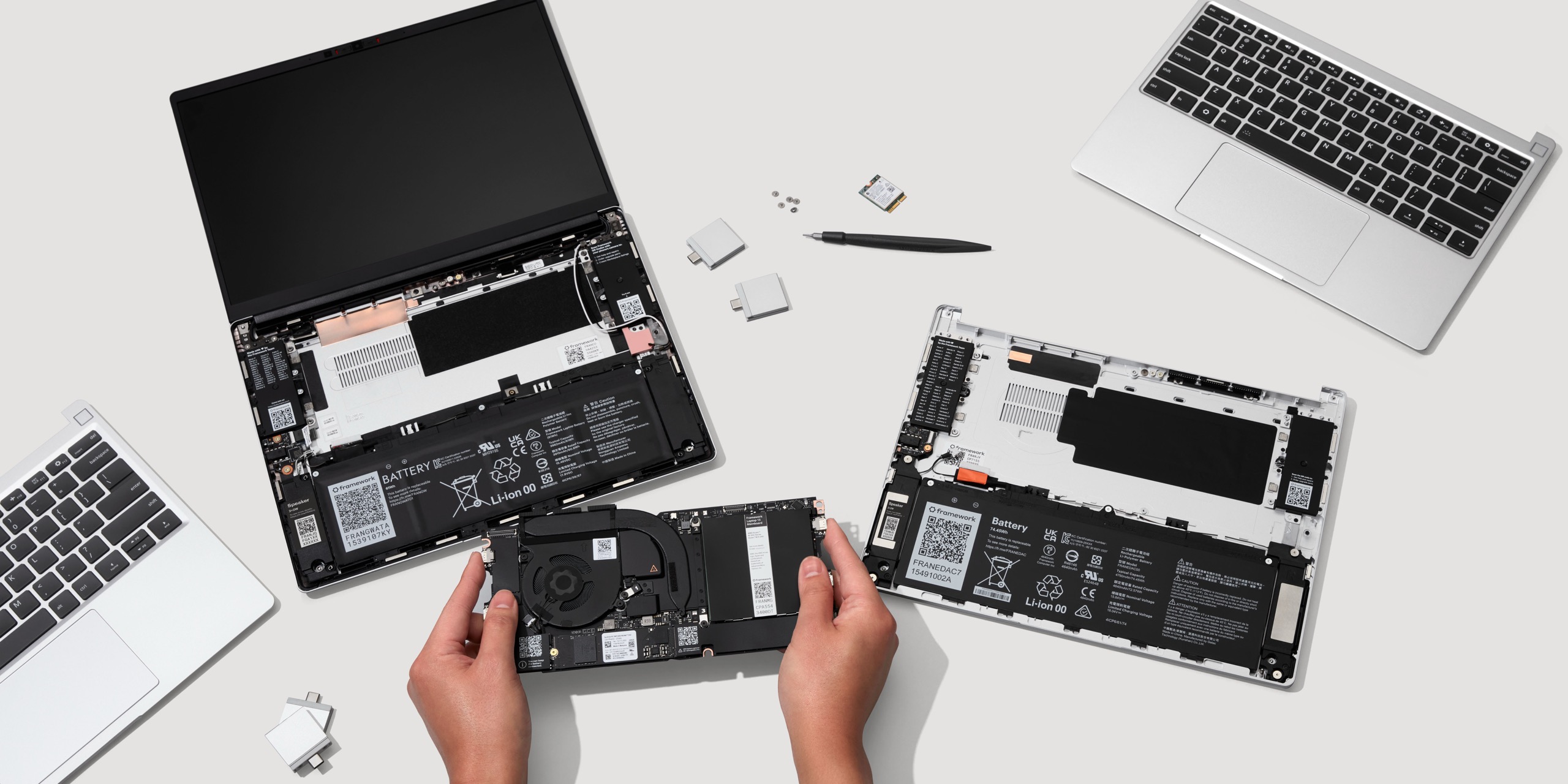
The original Framework Laptop 13 has been a testament to the company's commitment to repairability and customization since its launch. Over the past five years, Framework has shipped six distinct versions of its system board, each powered by cutting-edge processors from Intel and AMD. This doesn't count a seventh variant featuring a RISC-V processor, which represents Framework's ambitious expansion beyond traditional x86 architecture. Each iteration has allowed users to upgrade their machines with the latest semiconductor technology without replacing the entire device, a philosophy increasingly rare in today's throwaway computing culture.
Throughout this period, Framework has continuously refined the laptop's supporting hardware ecosystem. The company introduced higher-resolution display options available in both matte and glossy finishes, expanded battery capacity to provide users with extended usage periods, and made numerous component-level improvements that enhanced the overall user experience. What made these upgrades particularly significant was their complete interchangeability—a user with an older Framework Laptop 13 could swap in newer components and enjoy modern performance without sacrificing their investment in the original machine.
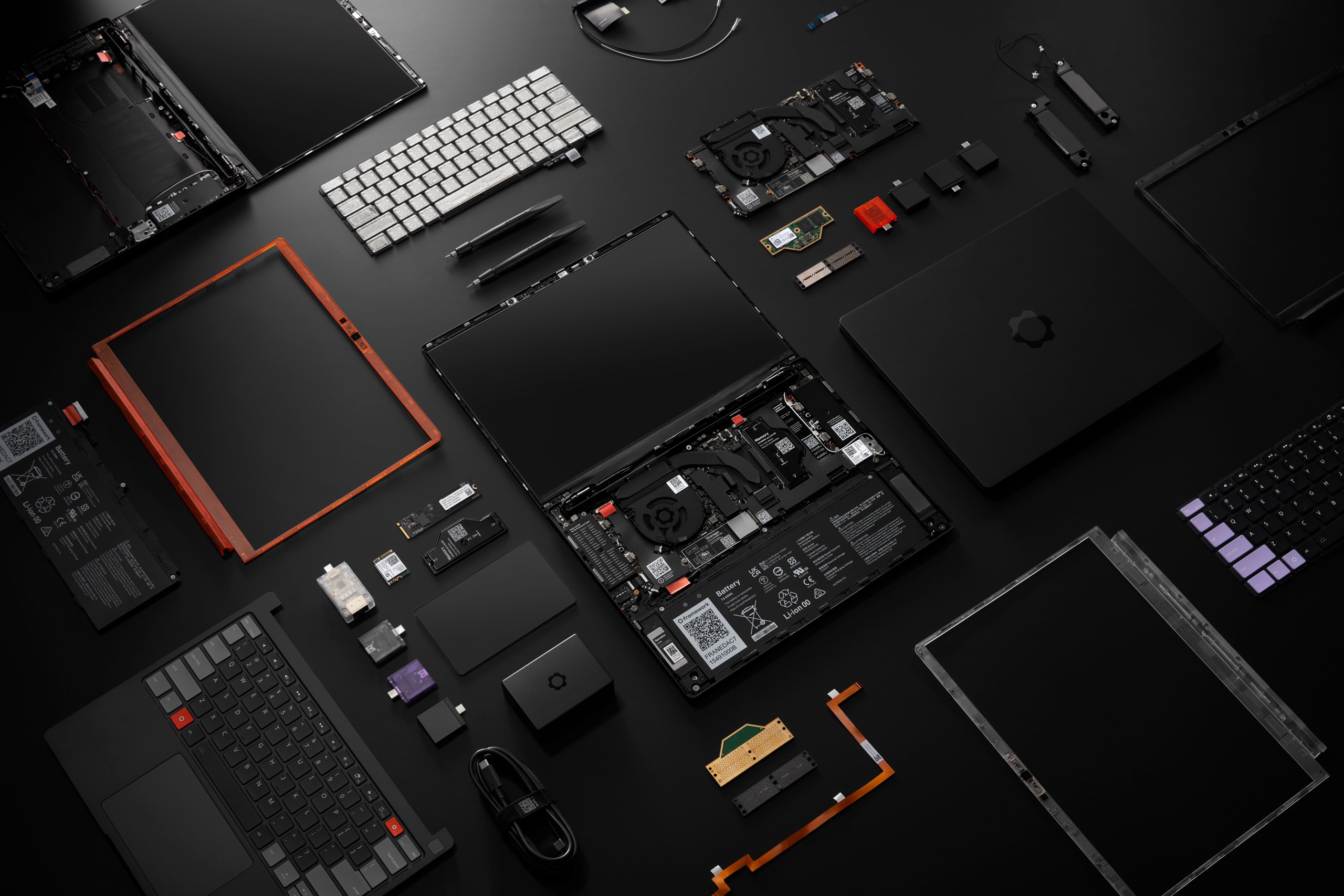
Despite maintaining backward compatibility and the modular philosophy, the fundamental design language of the original Laptop 13 remained largely consistent throughout these iterations. The chassis, bezels, port layout, and overall aesthetic stayed true to the original vision. However, the Framework Laptop 13 Pro breaks from this tradition in significant ways. Announced today, the Pro model represents the first truly major revision to Framework's flagship offering, departing from the traditional incremental upgrade approach that has characterized the brand's evolution.
The new Framework Laptop 13 Pro introduces several groundbreaking features that set it apart from its predecessors. At its heart lie Intel's latest Core Ultra Series 3 processors, codenamed Panther Lake, which deliver substantial performance improvements and enhanced efficiency compared to previous generations. These chips represent the cutting edge of mobile computing, promising faster execution, better power management, and improved AI acceleration capabilities that modern users increasingly rely upon.
Among the most significant upgrades is the inclusion of Framework's first touchscreen display. This marks a major departure from the non-touch LCD panels that have equipped previous models. The addition of touch functionality opens new possibilities for user interaction, bringing the device more in line with modern computing expectations while maintaining Framework's commitment to display quality and options for users who prefer traditional input methods.
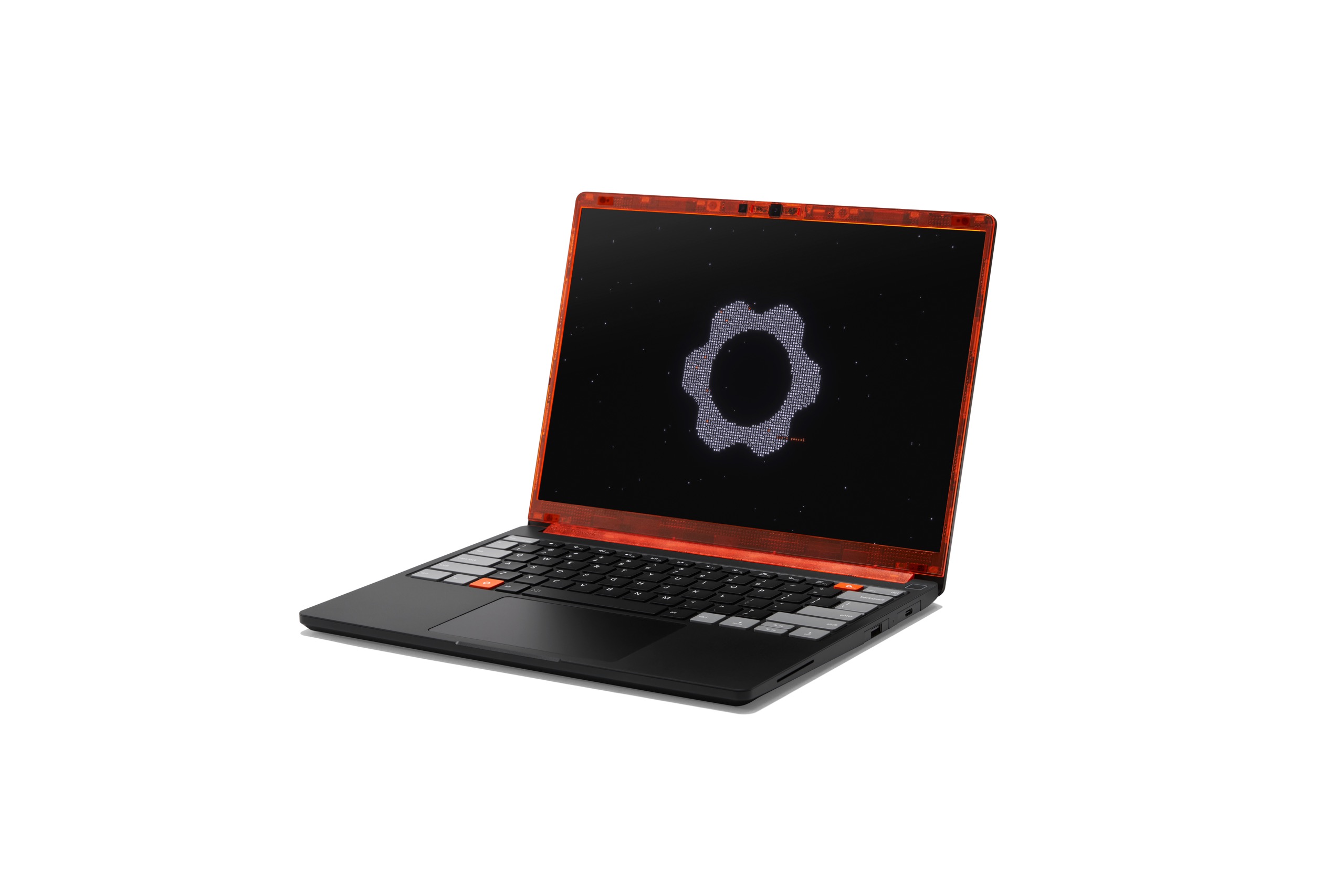
The design language has also evolved with the introduction of a striking new black aluminum color option. While previous Framework laptops primarily featured silver finishes, this darker aesthetic provides users with a more sophisticated appearance and better heat radiation characteristics. The new color option demonstrates Framework's attention to both form and function, allowing users to personalize their devices while benefiting from practical design improvements.
Battery capacity has also received substantial attention in the Pro model. The larger battery represents a direct response to user feedback regarding endurance during extended work sessions. By increasing capacity without significantly compromising the laptop's slim profile and portability, Framework has struck a balance between practical usage requirements and the physical constraints of a 13-inch form factor. This upgrade should translate to meaningful improvements in real-world battery life, a critical metric for mobile professionals.
The redesign encompasses far more than these headline features. Framework has revisited nearly every aspect of the laptop's construction and engineering. Internal thermal management has been optimized to handle the increased performance of Panther Lake processors while maintaining quiet operation. The upgradeable architecture remains central to the design, but the implementation has been refined to accommodate new capabilities while preserving the modularity that defines the Framework philosophy.
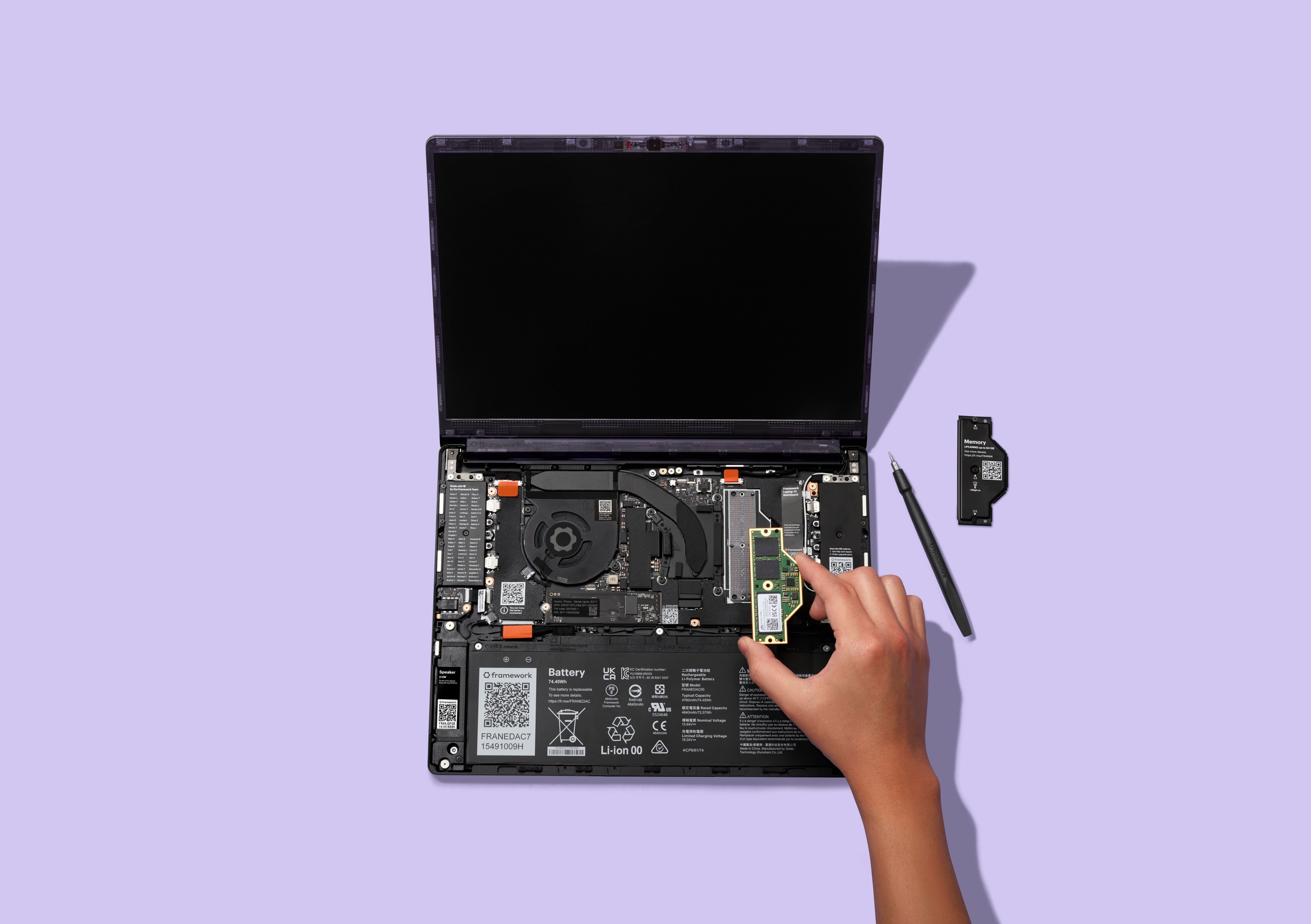
This comprehensive overhaul doesn't signal an abandonment of Framework's core values. Instead, it represents maturation and refinement of the original concept. The company has learned from five years of real-world usage patterns, manufacturing feedback, and customer requests. The Pro model incorporates these lessons while pushing the boundaries of what a repairable laptop can achieve in terms of performance and features without compromising the user's right to repair and upgrade their device.
The timing of this announcement reflects the maturation of the broader market for sustainable computing. As environmental concerns mount and consumers increasingly question disposable electronics, Framework's approach gains relevance and resonance. The Laptop 13 Pro demonstrates that sustainability and performance need not be mutually exclusive—a powerful, modern laptop can be designed from the ground up with repairability and upgradeability as central pillars rather than afterthoughts.
For existing Framework users, the Laptop 13 Pro raises important questions about upgrade paths and compatibility. While the company has maintained backward compatibility with previous models, the architectural changes in the Pro suggest a potential divergence in the product line. Users with original Laptop 13 units will need to evaluate whether the new features justify an upgrade or whether their current devices continue to meet their needs through ongoing component updates.
The Framework Laptop 13 Pro launch occurs at a pivotal moment in the computing industry. Manufacturers increasingly tout the environmental credentials of their products, yet few take the radical step of designing devices specifically engineered for longevity and repairability. Framework's commitment to this approach has attracted a dedicated following among environmentally conscious consumers, right-to-repair advocates, and technical enthusiasts who value control over their computing devices.
Looking forward, the Laptop 13 Pro signals Framework's confidence in its market position and its vision for the future of portable computing. By maintaining the modular architecture while substantially improving core features, the company has positioned itself to capture users who appreciate the philosophy behind Framework's approach while demanding performance and capabilities comparable to mainstream alternatives. The introduction of Panther Lake processors, touchscreen technology, and expanded battery capacity represents a serious commitment to remaining competitive in an increasingly crowded marketplace.
The Framework Laptop 13 Pro ultimately represents a maturation of the Framework brand and philosophy. It proves that modular laptop design can evolve and improve while maintaining its core principles. As the computing industry grapples with sustainability challenges and the right-to-repair movement gains momentum, Framework's approach—demonstrated so clearly in the Pro model—offers a compelling alternative to the traditional laptop market. The question now becomes whether consumers are ready to embrace this vision of computing at scale.
Source: Ars Technica


