
Framework Laptop 16 Gets Major Design Upgrades

Framework Laptop 16 receives new CPU option, cosmetic improvements, and design refinements. Starting price drops to $1,599 with Ryzen AI 5 340 processor.
Framework has announced a comprehensive refresh of its Framework Laptop 16, introducing a series of meaningful upgrades that address long-standing user feedback and enhance the overall appeal of this upgradeable laptop platform. While the refinements may not reach the scale of improvements seen in the Framework Laptop 13 Pro, they collectively represent a significant step forward in making the device feel more polished and production-ready rather than appearing as a work-in-progress prototype.
The centerpiece of the Laptop 16 update involves expanding the processor lineup with a new entry-level option positioned within the powerful Ryzen AI 300 family that Framework has championed. The six-core Ryzen AI 5 340 processor now slots beneath the existing eight-core Ryzen AI 7 350 configuration, effectively broadening the appeal of the device to users who don't require maximum computational performance. This strategic processor addition comes with an attractive price adjustment that makes the Laptop 16 considerably more accessible to budget-conscious buyers without sacrificing the core upgradeable design philosophy that Framework champions.
The pricing reduction resulting from the new entry-level CPU option is substantial. The pre-built Framework Laptop 16 configuration now starts at $1,599, down from the previous $1,799 baseline, while the DIY Edition drops to $1,249 from the earlier $1,499 starting point. This $200 reduction on the pre-built model and $250 savings on the DIY option represent meaningful savings for customers seeking a modular, repairable computing solution. However, Framework's recent pattern of incrementally raising memory and storage pricing suggests that these current savings may be temporary, with potential future increases that could gradually erode the financial advantage offered by this new processor tier.
Beyond the processor expansion, Framework has prioritized aesthetic enhancements that contribute to the device's perception of being a finished product rather than an early-access prototype. The introduction of a new "Translucent Smoke Gray Bezel" option demonstrates the company's commitment to design diversity and allowing users to personalize their machines. This new finish joins the existing black, orange, and lavender bezel options, providing customers with four distinct aesthetic choices that cater to different taste preferences and professional environments.
The cosmetic improvements represent more than superficial changes; they address a recurring criticism about the Laptop 16's appearance. The expanding color palette suggests that Framework is taking user feedback seriously and recognizing that an upgradeable workstation doesn't have to look utilitarian or unfinished. The Translucent Smoke Gray finish, in particular, appears designed to appeal to users seeking a sophisticated, professional aesthetic that bridges the gap between the bold personality of the orange and lavender options and the conservative appeal of black.
Framework's approach to these updates demonstrates a nuanced understanding of what drives consumer purchasing decisions beyond raw specifications. By combining meaningful processor options at more accessible price points with thoughtful design refinements, the company is simultaneously addressing practical and emotional objections to its product. The new Ryzen AI 5 340 configuration ensures that cost-conscious consumers can enter the Framework ecosystem, while the expanded bezel options help counter the perception that the devices are primarily for early adopters willing to accept aesthetic compromises.

The timing of these updates within the laptop market is strategic, coming as consumer interest in repairability and sustainability continues to grow. The Framework Laptop 16, with its focus on modularity and user upgradability, stands apart from the industry standard of sealed, non-serviceable devices. These latest refinements strengthen the value proposition by making the platform more financially accessible while improving its visual presentation, potentially converting skeptics who appreciated the concept but hesitated over pricing or aesthetics.
The Ryzen AI 300 family chips powering both the new entry-level and existing high-end configurations represent current-generation performance standards, incorporating advanced AI acceleration capabilities that increasingly influence how modern applications perform. The six-core Ryzen AI 5 340 configuration provides sufficient computational power for productivity applications, content creation tasks, and everyday computing while consuming less power than the more powerful eight-core variant. This segmentation allows Framework to appeal to a broader audience without requiring customers to pay for processor cores they won't utilize.
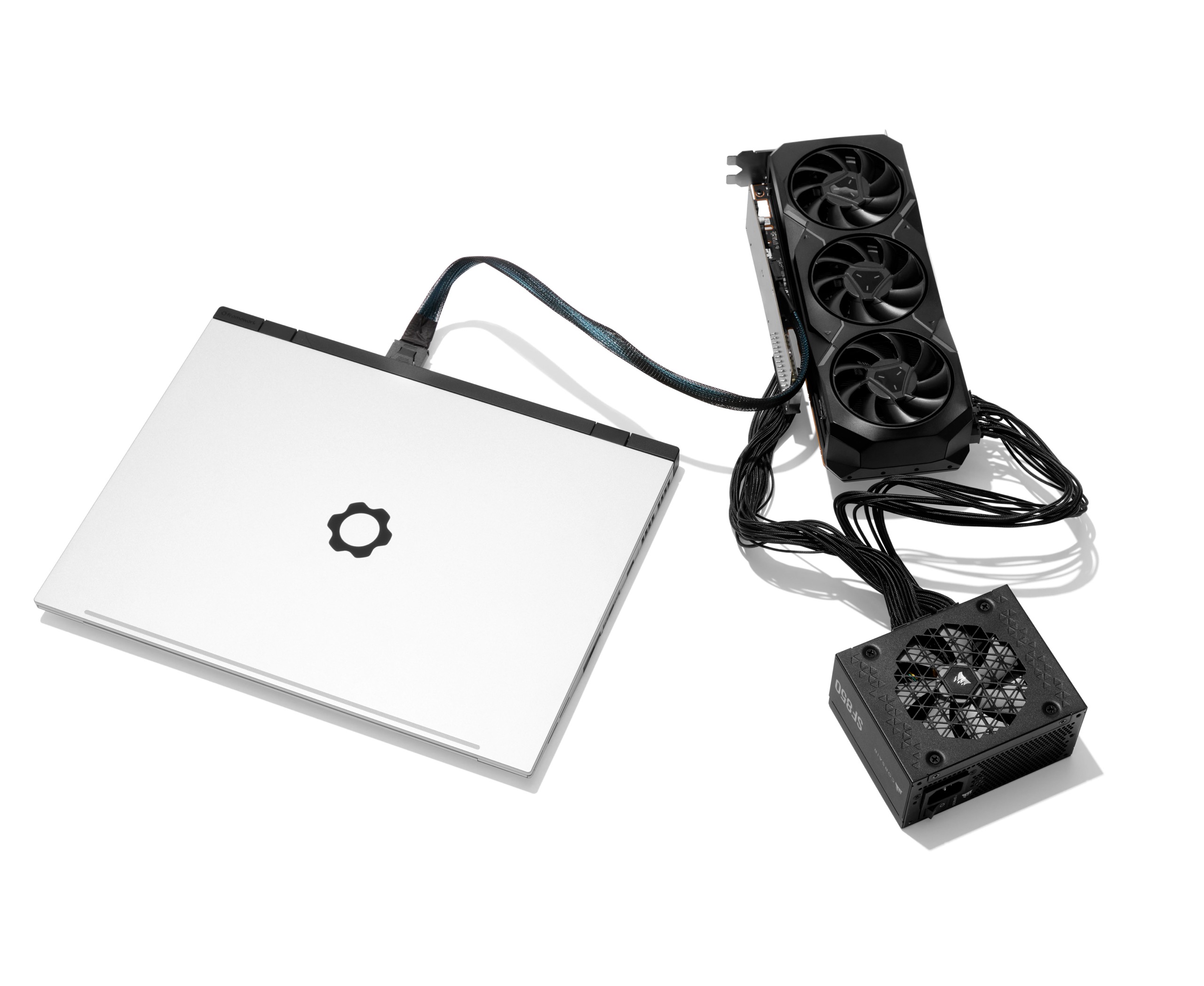
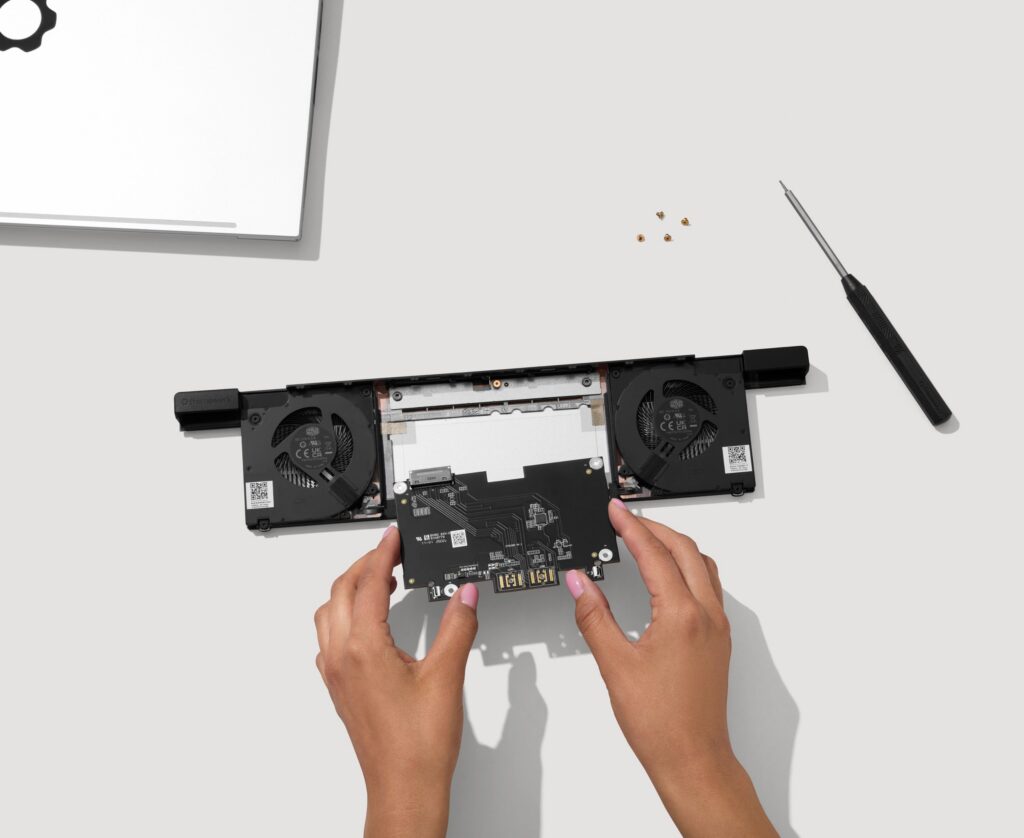
Framework's modular design philosophy remains central to these updates, as all new processor configurations maintain compatibility with the existing modular design framework that defines the product line. Users can continue to customize their devices with different input modules, external GPU options, and expansion cards, ensuring that their investment in the platform remains relevant as needs evolve. This forward-compatibility approach differentiates Framework from traditional laptop manufacturers and represents a genuine commitment to long-term value retention.
While not revolutionary, these updates collectively address legitimate concerns that have emerged as the Laptop 16 has matured through its product lifecycle. Early adopters and enthusiasts appreciated the device's innovative approach to repairability and upgradability, but mainstream consumers expressed reservations about both price and aesthetics. The new entry-level processor tier and expanded bezel options represent a measured response to this feedback, designed to broaden appeal without fundamentally compromising the design principles that make Framework products unique.
Looking forward, these updates position the Framework Laptop 16 as a more compelling option in the premium laptop segment where repairability and sustainability increasingly matter to environmentally conscious buyers. The combination of more accessible pricing, expanded color options, and continued processor improvements suggests that Framework is executing a deliberate strategy to transition from niche player to more mainstream alternative in the upgradeable laptop space. As the company continues refining its offerings, these incremental improvements accumulate into a product line that looks and feels increasingly like a genuine competitor to traditional laptop manufacturers rather than an experimental platform.
Source: Ars Technica


