
Framework's Linux Laptop Challenges Apple's MacBook Dominance

Framework CEO unveils Core Ultra Series 3 laptops with native Linux support, positioning the Laptop 13 Pro as a MacBook Pro alternative for open-source users.
Framework Computer has continued its trajectory of delivering modular, user-centric computing solutions with today's latest product announcements, marking a significant shift in the company's strategic positioning within the broader tech landscape. While the updates themselves—featuring Intel's Core Ultra Series 3 processors, improved displays, and refined keyboards—might appear incremental to seasoned observers, they represent Framework's most deliberate push yet into the lucrative Linux ecosystem. These hardware upgrades are available both as standalone components for existing Framework Laptop 13 owners and as integrated features in the newly announced Framework Laptop 13 Pro, demonstrating the company's commitment to backward compatibility and modular design philosophy.
The most compelling narrative emerging from today's announcements centers on Framework's intensified focus on Linux support and open-source computing. Rather than treating Linux compatibility as an afterthought or niche feature, Framework has made it a cornerstone of its brand identity going forward. The marketing teaser leading up to today's event cleverly referenced "following the white penguin," a layered reference that simultaneously nods to Linux's iconic Tux mascot and the philosophical rabbit hole explored in The Matrix franchise. This creative positioning signals that Framework understands its core audience—tech-savvy users who value freedom, customization, and transparency in their computing devices.
Historically, Framework has maintained official support for various Linux distributions across its product lineup, recognizing that a significant portion of its customer base prefers open-source operating systems over proprietary alternatives. However, the Laptop 13 Pro represents a watershed moment for the company: it is the first pre-built Framework laptop capable of shipping directly from the factory with Linux pre-installed, eliminating the technical barriers that previously deterred less experienced users from adopting Linux on Framework hardware. Even more significantly, the Laptop 13 Pro has achieved Ubuntu Certified system status, an official recognition from Canonical that validates comprehensive hardware compatibility and optimal performance with the world's most popular Linux distribution.
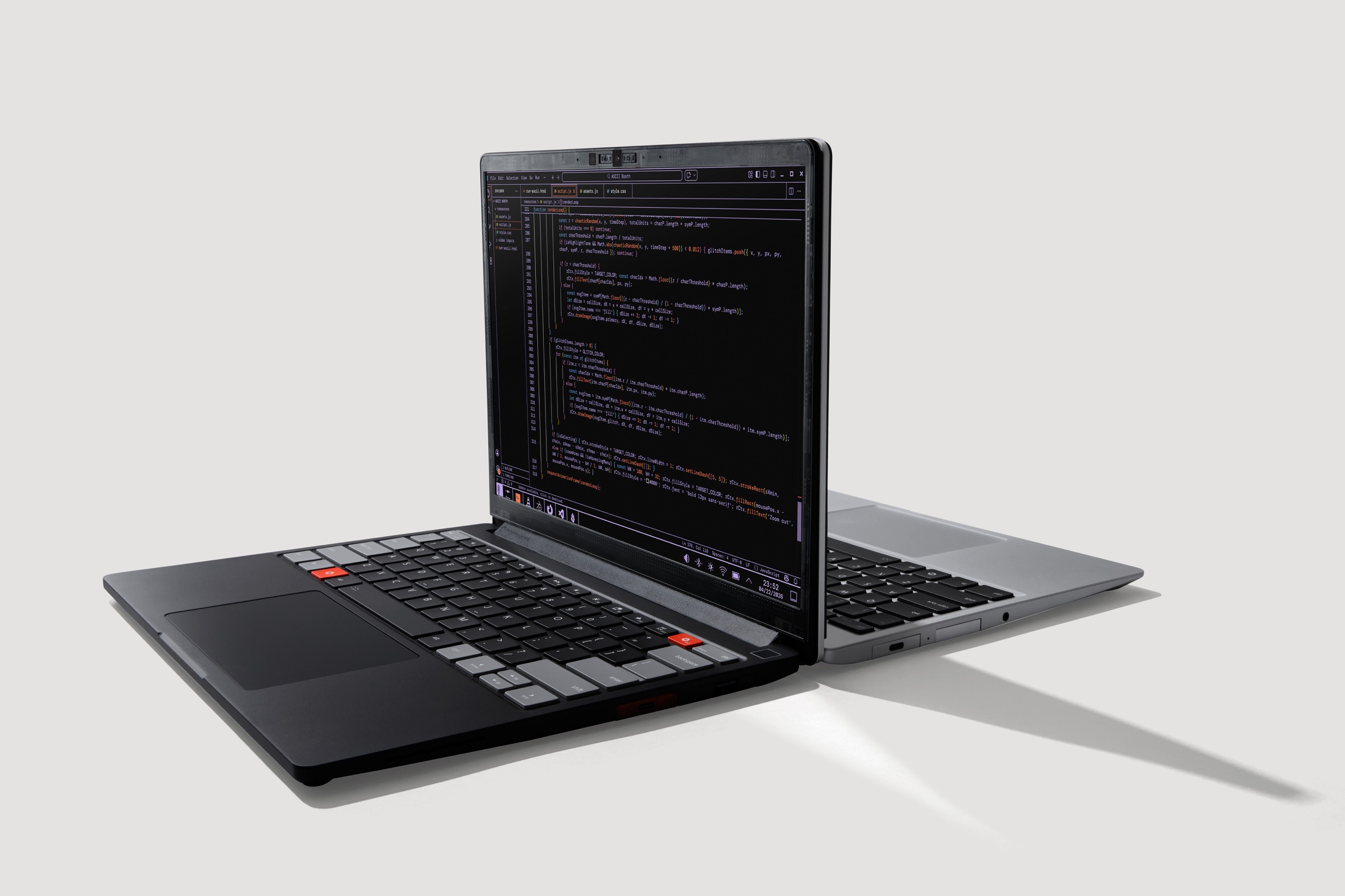
Framework CEO Nirav Patel has made an audacious strategic declaration by publicly positioning the Laptop 13 Pro as the "MacBook Pro for Linux users," a characterization that carries substantial implications for how the company views its competitive positioning. This framing directly challenges Apple's dominance in the premium laptop market, suggesting that professional users who prefer Linux have been underserved by existing options and that Framework's offering provides a compelling alternative. The comparison to MacBook Pro is particularly noteworthy given Apple's reputation for build quality, performance, and ecosystem integration—qualities that Framework aspires to match while offering the additional benefit of Linux-first design and user-repairable components.
The RAM crisis that Patel has addressed in recent interviews represents a broader supply chain challenge that affected the entire industry but hit Framework particularly hard due to the company's reliance on modular components and its smaller scale relative to major manufacturers. When DRAM prices spiked dramatically, Framework faced difficult decisions about pricing, component sourcing, and product availability. Patel's willingness to discuss these challenges publicly demonstrates a level of transparency that resonates with Framework's customer base, many of whom value honesty and accountability from the companies they support. This candor about supply chain realities stands in stark contrast to the opaque corporate communication typical of larger tech conglomerates.
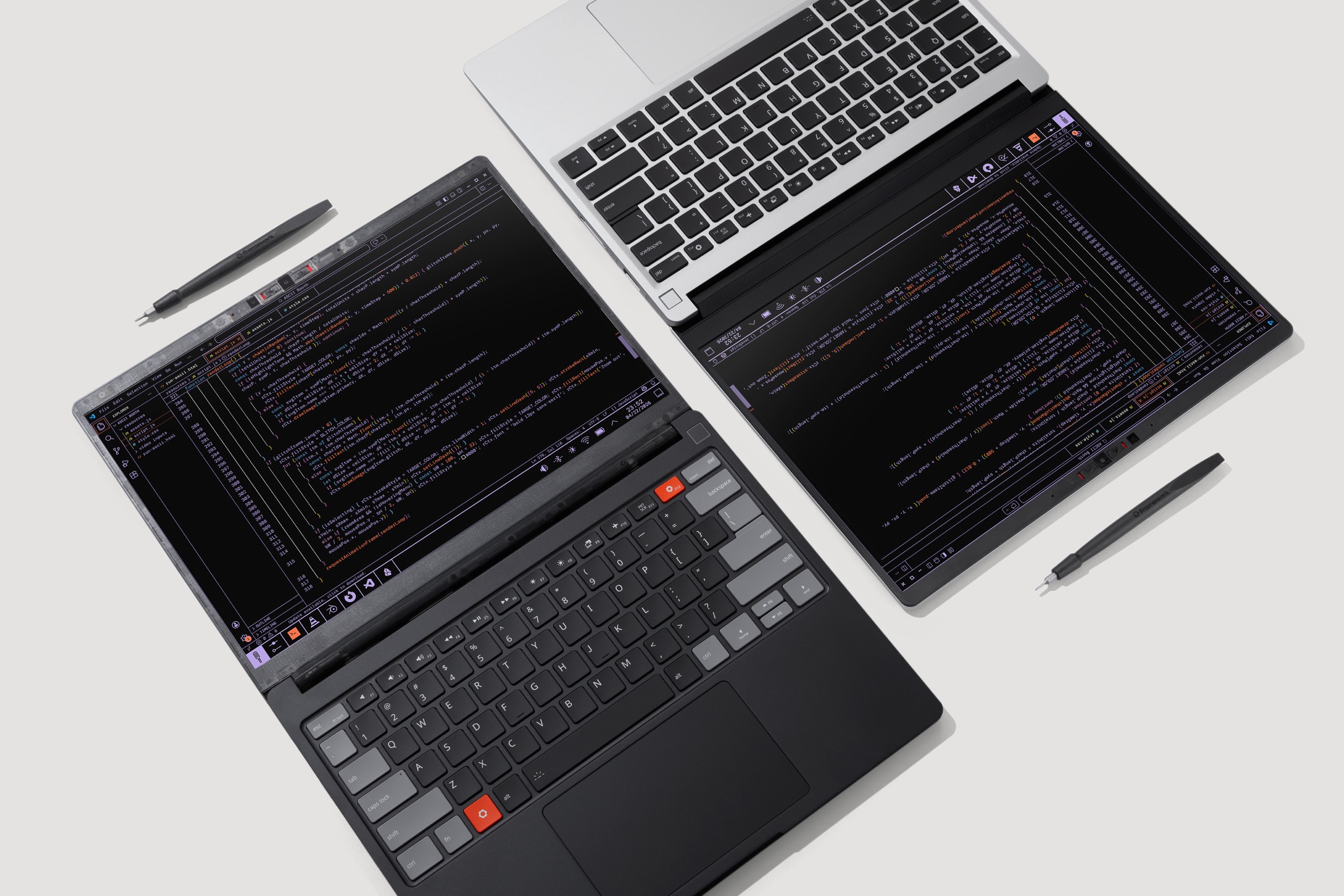
The updated motherboards, screens, and keyboards announced today reflect a philosophy of continuous incremental improvement rather than revolutionary leaps in technology. Each component upgrade addresses specific user feedback or identified gaps in the existing product lineup, whether that means improving keyboard responsiveness, enhancing display color accuracy, or optimizing processor performance for specific workloads. This customer-responsive approach to product development has become central to Framework's identity and explains why the company maintains such fierce loyalty among its user base despite being vastly smaller than competitors like Dell, Lenovo, or HP.
The Core Ultra Series 3 processors represent Intel's latest generation of mobile chips, offering improved efficiency and performance characteristics that should appeal to users running demanding applications on Linux platforms. For professionals working with virtual machines, containerized applications, or intensive computational tasks, the architectural improvements in this processor generation could provide meaningful performance gains. Additionally, the processor's energy efficiency improvements align well with Framework's emphasis on creating machines that balance performance with sustainability—a value proposition that particularly resonates with the environmentally conscious Linux community.
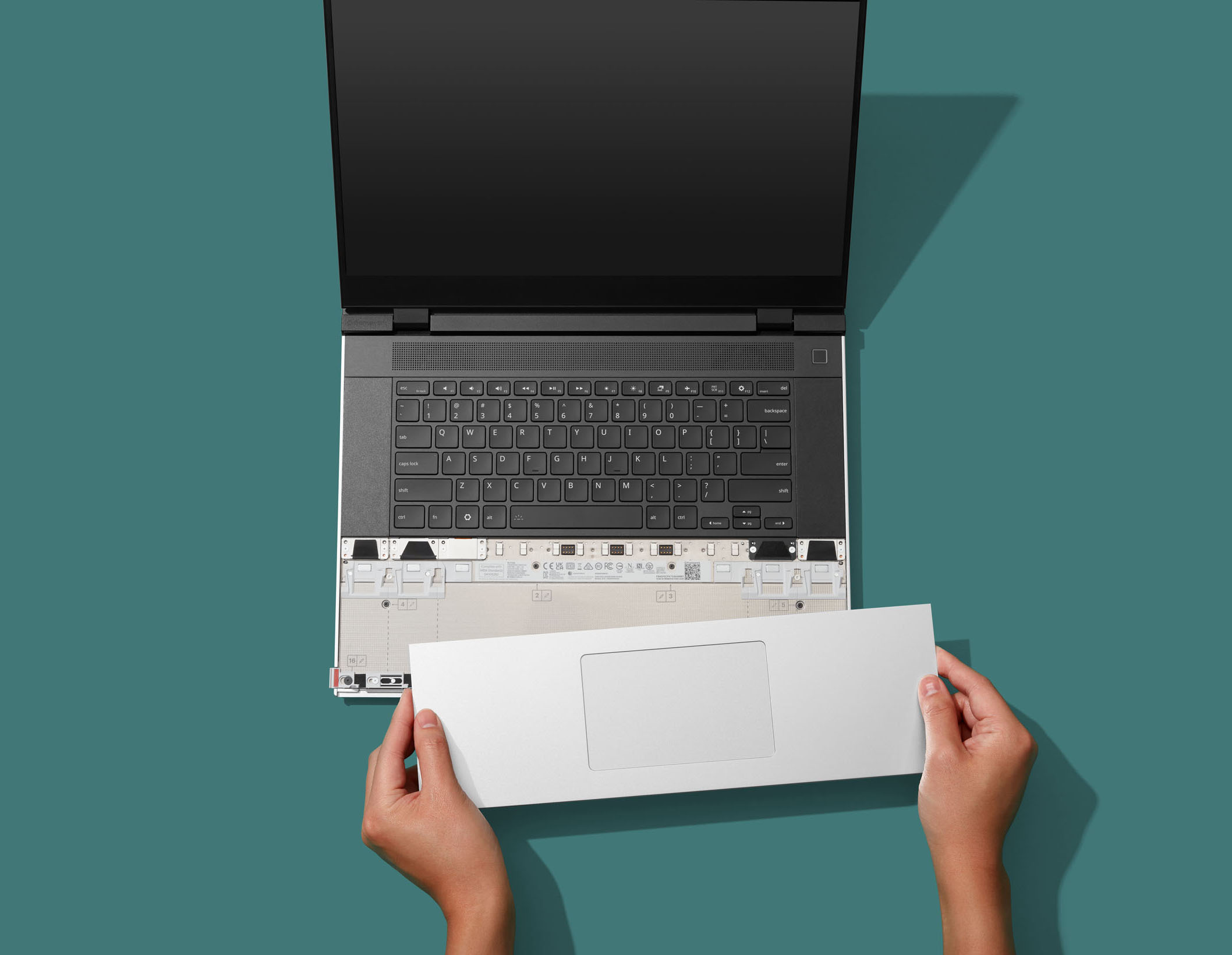
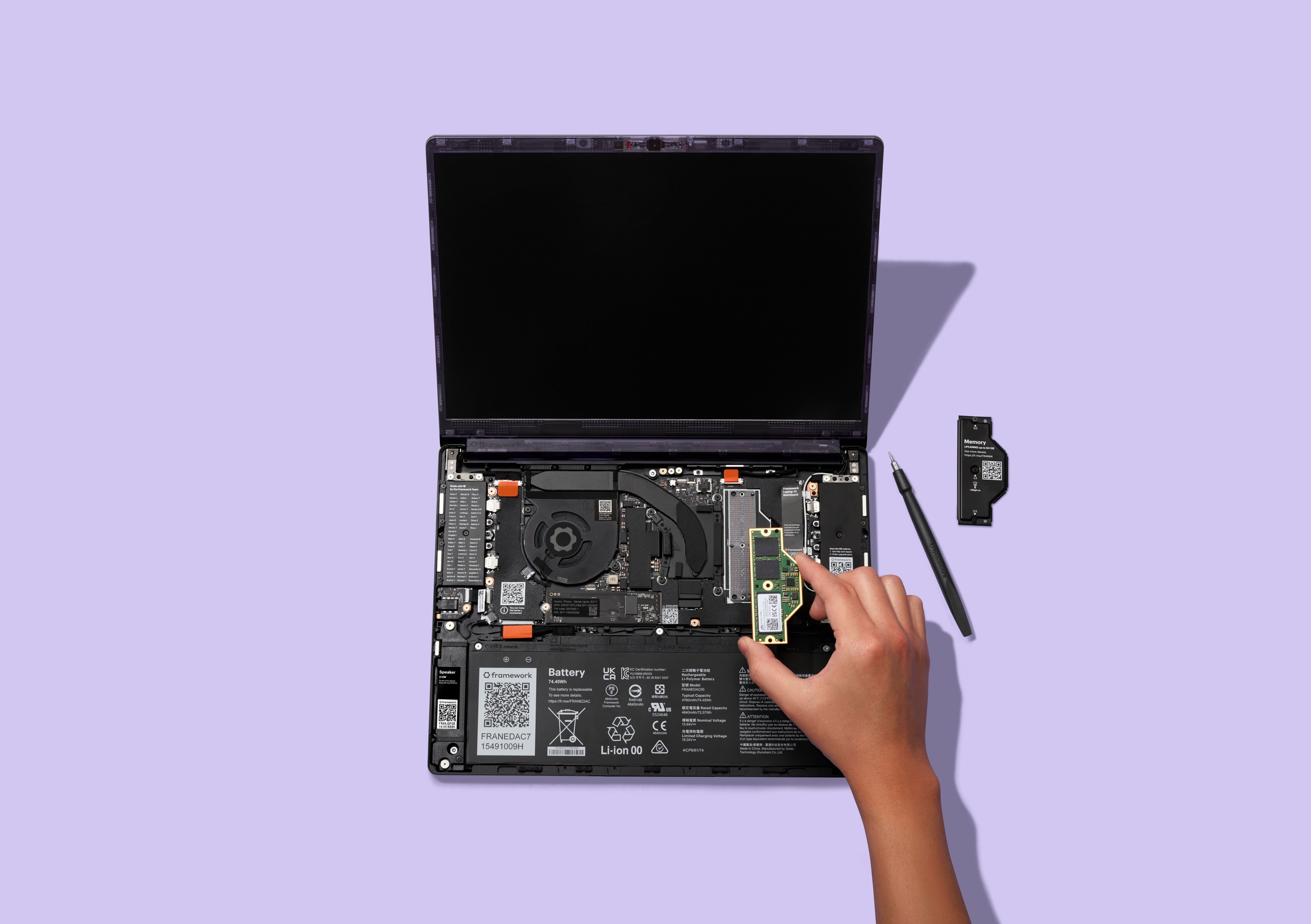
Framework's emphasis on system modularity continues to differentiate the company from virtually all competitors in the premium laptop market. Users can upgrade individual components—RAM, storage, ports, keyboards, screens—without replacing the entire device, dramatically extending hardware lifespan and reducing electronic waste. This approach runs counter to industry trends favoring sealed, non-upgradeable designs, making Framework something of a rebel in contemporary computing. For Linux users accustomed to configuring and customizing their systems at the software level, this hardware-level customization capability represents an ideal marriage of philosophy and practicality.
The achievement of Ubuntu certification carries significant weight within the Linux community, signifying that Canonical's engineering team has validated comprehensive driver support, firmware functionality, and overall system reliability. This certification removes uncertainty that previously existed around Linux hardware support and provides users with confidence that they will have a fully functional, well-optimized experience. For enterprise customers and professionals evaluating Linux laptops for work environments, such certifications serve as critical risk-mitigation signals that system reliability will meet business requirements.
Looking at the broader competitive landscape, Framework's positioning as a Linux-first laptop manufacturer places it at an interesting intersection of multiple market trends. The growing popularity of Linux in enterprise environments, increased adoption among developers and data scientists, and rising consumer awareness of privacy and security issues have all contributed to expanding Linux's addressable market. Simultaneously, frustration with Apple's repair policies and Microsoft's approach to user control has created openings for alternative platforms that emphasize user agency and repairability. Framework's Laptop 13 Pro arrives at a moment when these trends have accumulated sufficient momentum to potentially support a viable business model centered on Linux-first computing.
The company's strategy of positioning itself as "the MacBook Pro for Linux users" cleverly inverts the traditional tech narrative where Linux is portrayed as a scrappy underdog operating system relegated to servers and technical specialists. Instead, Framework's messaging suggests that Linux represents a superior choice for discerning professionals who value control, customization, and longevity. This reframing reflects genuine shifts in how Linux is perceived across industries, no longer confined to stereotypical use cases but increasingly recognized as viable for mainstream professional computing.
As Framework continues executing on its vision of creating user-repairable, modular, Linux-friendly computing devices, today's announcements represent another stepping stone toward the company's ambitious goals. The practical improvements in hardware components, combined with the strategic emphasis on Linux support and official certification status, position the Laptop 13 Pro as a genuine contender in the premium laptop market. While challenging incumbents like Apple and Microsoft in brand recognition and market share remains a monumental undertaking for a startup, Framework's differentiated approach and passionate user community suggest that the company's ambitions may not be merely aspirational but potentially achievable.
Source: Ars Technica


