
France Expands €1 Meals to All Students

French universities now offer affordable €1 meals to every student. The initiative addresses food insecurity affecting nearly half of student population.
In a significant policy shift aimed at combating student poverty, French universities have launched an ambitious program to provide €1 meals to all enrolled students, regardless of their financial circumstances. This sweeping initiative represents a major expansion of previous assistance programs that targeted only economically disadvantaged students. The move comes in response to alarming data revealing that nearly half of France's university student population has experienced food insecurity, with many going without meals due to financial constraints.
The decision to implement universal affordable student meals follows sustained pressure from student unions and advocacy groups who have long campaigned for more inclusive food assistance policies. Previously, the reduced €1 rate for a complete three-course meal was available exclusively to students meeting specific income thresholds or those already receiving government financial aid. By expanding this benefit to the entire student body, French authorities are taking a decisive stance against what has become an increasingly serious problem affecting academic performance and student wellbeing across the nation's higher education institutions.
The dramatic reduction from the standard €3.30 meal price to just €1 represents a substantial savings for students already struggling with tuition costs, accommodation expenses, and other educational necessities. Universities have been working to streamline operations and negotiate with food service providers to make this ambitious pricing structure sustainable. The program demonstrates a commitment from French government officials to ensure that economic hardship does not prevent talented students from accessing nutritious meals necessary for their health and educational success.

Recent surveys conducted among the student population painted a troubling picture of widespread student food insecurity in France, prompting immediate government intervention. The findings showed that approximately 45-50% of university students had skipped meals at some point due to financial difficulties, a statistic that alarmed policymakers and education officials. These concerning numbers highlighted a growing disconnect between the cost of living and typical student income levels, whether from part-time work, family support, or government stipends. The data became a powerful catalyst for policy change, demonstrating the tangible need for comprehensive solutions to student hardship.
Beyond the immediate benefits of providing nourishment, this initiative carries broader implications for student welfare and academic outcomes. Research consistently demonstrates that food insecurity negatively impacts concentration, classroom participation, and overall academic performance. By ensuring that every student has access to affordable, nutritious meals, French universities are investing not only in student health but also in their educational success and long-term potential. The program acknowledges that learning cannot occur effectively when students are preoccupied with hunger or anxiety about their next meal.
Student unions have celebrated the expansion as a major victory after years of advocacy and negotiation with university administrations and government representatives. Organizations representing student interests had made the universalization of affordable meals a centerpiece of their campaigns, arguing that food insecurity disproportionately affects vulnerable populations including international students, students from low-income backgrounds, and those without strong family financial support networks. The unions have emphasized that this benefit represents a crucial step toward creating more equitable conditions for all students to pursue their education.
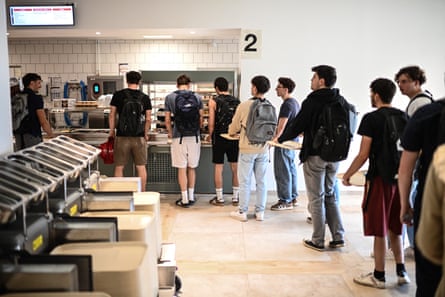
The implementation of this universal meal program required coordination between multiple levels of government, university administrations, and food service contractors. Universities have had to assess their existing food service infrastructure and make adjustments to accommodate the increased demand that universal pricing would create. Many institutions have engaged with suppliers to negotiate bulk purchasing agreements and explore ways to optimize meal production costs without compromising nutritional quality or meal variety. These logistical considerations demonstrate the complexity of implementing such a large-scale program across France's diverse university system.
Financially, the initiative represents a significant commitment from the French government and university budgets. Officials have emphasized that the investment is justified as both a moral imperative and a practical measure that benefits society broadly. By reducing educational barriers and supporting student wellbeing, the program may contribute to higher graduation rates, improved student retention, and ultimately a more educated workforce. The long-term economic benefits of healthier, better-nourished students who can focus fully on their studies may well offset the immediate costs of the meal subsidy program.
International observers have noted that France's approach to addressing student poverty and food insecurity sets an example for other developed nations grappling with similar issues. Many countries have witnessed increasing levels of student hardship as costs of education and living expenses have risen faster than available financial support. France's decision to implement universal affordable meals demonstrates that comprehensive policy solutions are possible when governments prioritize student welfare. This model may inspire similar initiatives in other European nations and beyond.
The expansion also addresses broader concerns about educational equity and social mobility. When financial constraints prevent students from accessing basic necessities like food, it undermines the principle that education should be accessible to all talented individuals regardless of socioeconomic background. By removing this barrier through the €1 meal program, France is reinforcing its commitment to educational equality and ensuring that economic disadvantage does not predetermine educational outcomes. This approach aligns with the broader European emphasis on social welfare and accessible public services.
Looking forward, universities and government agencies will monitor the program's implementation and effectiveness in addressing student food insecurity. Data collection on program utilization, student satisfaction, and measurable impacts on academic performance will help policymakers assess whether the initiative is achieving its goals. There may be opportunities to refine the program based on feedback from students and university staff, ensuring that it evolves to meet genuine student needs over time. The success of this initiative could serve as a model for expansion to other forms of student support and assistance.
The provision of affordable meals represents just one component of comprehensive support needed to address student hardship in France. While this initiative is significant, student advocacy groups continue to push for additional measures including housing assistance, expanded grant programs, and mental health services. The meal program, however, addresses one of the most immediate and pressing needs, ensuring that all students have access to the nutritional foundation necessary for academic success and personal wellbeing.
The rollout of universal affordable student meals across France represents a meaningful response to documented student hardship and food insecurity. By extending benefits previously limited to disadvantaged students to the entire university population, French authorities have signaled a commitment to supporting all students in their educational pursuits. As implementation continues and the program becomes fully established across French universities, it will likely serve as an important case study in innovative approaches to addressing student poverty and welfare in the modern era.
Source: The Guardian


