
France Reshapes Africa Strategy With Kenya Summit

France breaks 50-year tradition by hosting African summit in Kenya, signaling major shift away from colonial-era diplomacy and toward equitable partnerships.
France is undertaking a significant diplomatic pivot by holding its major African summit in Kenya, marking a historic departure from a tradition that has defined Franco-African relations for over five decades. This unprecedented decision represents a fundamental shift in France's approach to African diplomacy, moving away from the patterns established since these high-level meetings commenced in the 1970s. By choosing to convene with African leaders outside of European territory and within the African continent itself, France is sending a powerful message about its commitment to evolving its relationship with the continent.
The traditional summit format, which has been held regularly since the 1970s, typically took place in France or other European venues, reinforcing a dynamic that reflected historical colonial relationships and power imbalances. This pattern had become emblematic of a broader concern among African nations about France's continued influence over their political and economic affairs. The decision to meet in Nairobi, Kenya's vibrant capital, represents a conscious effort to acknowledge these concerns and demonstrate a willingness to engage on more equal terms.
Kenya's selection as the host nation carries significant symbolic weight in the context of Franco-African relations reform. As one of East Africa's most dynamic economies and a regional powerhouse, Kenya provides a neutral ground that showcases African progress and development outside the traditional spheres of French influence. The venue choice underscores France's recognition that Africa's center of gravity is shifting, with emerging economic and political hubs extending far beyond the traditional Francophone West African regions that have long dominated Franco-African engagement.
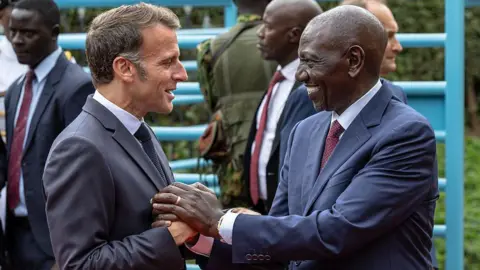
This strategic repositioning reflects broader changes in international diplomacy and global power dynamics in the post-colonial era. France has faced increasing criticism in recent years regarding its lingering influence in African nations, particularly through mechanisms like the CFA franc currency, military bases, and preferential trade agreements that many argue perpetuate neo-colonial dependencies. By shifting the location of these important summits, France signals its willingness to recalibrate these relationships and move toward a more balanced partnership model that respects African sovereignty and agency.
The move also responds to growing sentiment across Africa regarding the need for truly independent and self-determined development paths. Many African leaders and intellectuals have called for a complete rethinking of continental relationships with former colonial powers, advocating for partnerships based on mutual respect rather than historical hierarchies. France's decision to meet African leaders on African soil, rather than expecting them to travel to European capitals, represents a tangible acknowledgment of these demands and a commitment to more respectful engagement protocols.
Beyond the symbolic significance, this summit format change has practical implications for how Franco-African policy discussions will unfold. Meeting in Kenya allows for broader participation from East and Southern African nations that may have felt peripheral to traditional summit processes centered in Western Europe. It also provides an opportunity for France to engage with a more diverse array of African perspectives and priorities, potentially leading to more inclusive and representative outcomes in bilateral and multilateral negotiations.
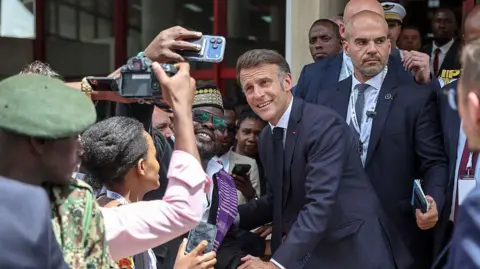
The historical context of Franco-African relations cannot be overlooked when evaluating the significance of this change. France maintained colonial rule over vast portions of West and Central Africa until the 1960s, and its influence persisted through various mechanisms well into the modern era. The legacy of colonialism in Africa continues to shape political, economic, and cultural dynamics across the continent. France's acknowledgment of this history through procedural changes like relocating summits represents a step toward genuine reckoning with past relationships and their ongoing consequences.
International observers have noted that this shift aligns with broader trends of African nations asserting greater independence in their foreign policy choices. Countries across the continent have been diversifying their international partnerships, seeking engagement with non-traditional partners from Asia, the Middle East, and other regions. France's proactive adjustment to its summit strategy can be understood as a response to this changing landscape, an effort to maintain relevance and influence by demonstrating willingness to adapt to African preferences and expectations.
The implications for future Franco-African cooperation remain to be seen, but early indications suggest this could be the beginning of a more substantive transformation in how France engages with the continent. If successful, the Kenya summit may establish a new model where future high-level meetings rotate among African nations, further emphasizing the principle that these are partnerships between equals rather than hierarchical relationships. Such a development could have ripple effects across Africa's engagement with other former colonial powers and international actors.

French officials have emphasized that this change reflects evolving thinking within the government regarding how best to maintain strong relationships with African nations while respecting their sovereignty and dignity. The decision was not made in isolation but rather emerged from consultations with African counterparts and careful consideration of shifting geopolitical realities. France recognizes that its long-term interests in Africa are best served through genuine partnership and mutual benefit rather than through perpetuation of outdated colonial-era dynamics.
The practical logistics of holding such a major international summit in Kenya also demonstrate the East African nation's capacity to host high-level diplomatic events. Nairobi has become an increasingly important hub for international diplomacy, hosting numerous multilateral organizations and serving as a base for numerous international institutions. This further reinforces Kenya's position as a key player in African affairs and suggests that France sees value in engaging with East African perspectives and priorities.
As France moves forward with this new approach to African summit diplomacy and engagement, the success of the Kenya meeting will likely be closely monitored by other international actors seeking to understand how major powers are adapting their strategies in response to African demands for more equitable relationships. The outcome of substantive discussions at the summit, including any concrete agreements or policy shifts, will be important indicators of whether this procedural change translates into meaningful transformation in Franco-African relations or remains primarily symbolic.

Looking ahead, this summit represents both a culmination of growing pressures for change in Franco-African relations and a potential beginning point for a new phase of engagement. Whether this move toward more equitable partnership extends to substantive policy changes in areas like currency arrangements, military presence, or trade agreements will ultimately determine the true significance of this diplomatic shift. For now, the decision to meet in Kenya stands as a notable acknowledgment that traditional colonial-era diplomatic patterns are giving way to more respectful and reciprocal international relationships.
Source: BBC News


