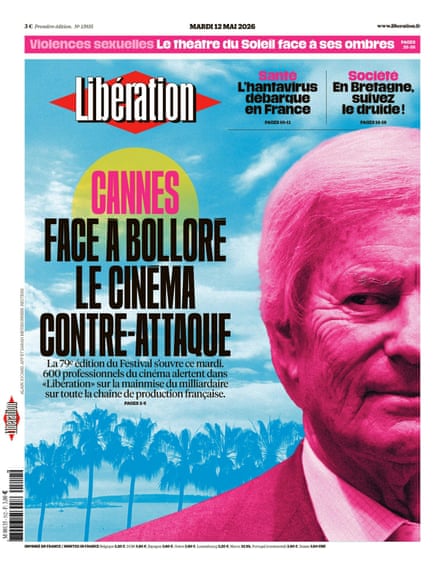
French Cinema Under Threat: 600 Figures Warn of Far-Right Takeover

Over 600 cinema professionals, including Juliette Binoche, warn that far-right influence threatens French film independence and creative freedom.
The French film industry faces an unprecedented challenge as more than 600 cinema professionals have united to sound an urgent alarm about the encroaching influence of far-right ideologies on film production and distribution. Led by acclaimed actress Juliette Binoche and featuring some of France's most respected directors, screenwriters, and producers, this coalition has issued a stark warning that unless immediate action is taken, France risks witnessing a "fascist takeover of the collective imagination" through its most powerful cultural medium.
The joint statement, published as an open letter in the prestigious newspaper Libération and strategically timed to coincide with the opening of the renowned Cannes Film Festival, represents one of the most significant collective protests from the French entertainment establishment in recent years. The signatories argue that the concentration of power in the hands of billionaire Vincent Bolloré, a dominant figure in French film production and distribution, has created a dangerous monopoly that threatens the fundamental independence and creative integrity of the entire industry. This coalition spans generations of filmmakers and performers, united by their conviction that cultural diversity and artistic freedom are under siege.
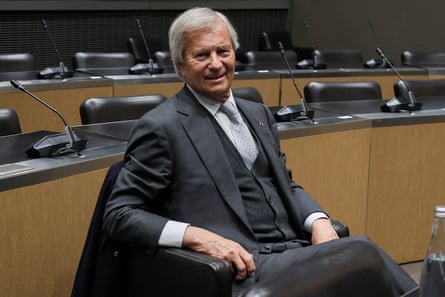
Vincent Bolloré's extensive holdings in French media and entertainment give him unprecedented influence over which stories get told, which voices get amplified, and which perspectives dominate French cinema. The signatories contend that such concentration of power in a single individual's hands fundamentally compromises the industry's ability to serve as an independent forum for diverse ideas and creative expression. They argue that when one billionaire controls so much of the infrastructure through which films are produced, financed, and distributed, the democratic potential of cinema as a medium is severely compromised.

The context for this extraordinary intervention lies in ongoing concerns about Bolloré's known affiliations and the editorial direction his influence has introduced into French cultural institutions. Critics have long flagged troubling patterns in the content prioritized by media outlets under his control, suggesting a systematic effort to promote certain ideological viewpoints while marginalizing others. The film industry signatories contend that allowing this pattern to continue unchecked in cinema—arguably France's most influential and internationally respected art form—would represent a catastrophic loss for French culture and for global cinema more broadly.
Juliette Binoche, the celebrated international film star and two-time Academy Award winner, lent her considerable prestige to the campaign by agreeing to be publicly associated with the open letter. Her involvement signals that this is not a fringe concern confined to a few activists, but rather a serious preoccupation of mainstream creative professionals who have built their careers on the assumption of artistic independence and freedom of expression. Binoche's participation has drawn international media attention to the issue and underscored its significance within French cultural circles.
The timing of the letter's release during the Cannes Film Festival—arguably the world's most prestigious and visible film industry gathering—was deliberately chosen to maximize impact and ensure the message resonated globally. Cannes serves as an annual showcase for the best of world cinema and attracts film professionals, critics, and media from around the globe. By releasing their warning at this moment, the signatories ensured that concerns about the state of French cinema would feature prominently in international film industry discourse.

The specific concern articulated by the 600 industry figures centers on how media monopolies threaten artistic freedom and cultural diversity. When a single individual or entity controls multiple points in the production-to-distribution pipeline, they effectively become gatekeepers with the power to determine which films get made, which receive substantial financing and marketing support, and which struggle to find an audience. This gatekeeping function, the signatories argue, has been exercised in ways that promote particular ideological perspectives while constraining others.
The open letter also addresses the broader philosophical question of what role cinema should play in democratic society. France has a long tradition of viewing cinema not merely as entertainment or commercial product, but as a vital cultural institution with responsibilities to foster critical thinking, represent diverse human experiences, and contribute to the ongoing conversation about what it means to be human and to live in community. When such an institution falls under the control of interests seeking to narrow rather than expand this conversation, something fundamental is lost.
Furthermore, the signatories pointed to practical consequences already visible in the industry. Projects by filmmakers with perspectives contrary to those favored by the dominant power structure have reportedly faced difficulty securing financing or distribution, while projects aligned with preferred ideologies have received preferential treatment. These patterns, the letter argues, have already begun to alter the landscape of French cinema in troubling ways, making this moment a crucial juncture for intervention.
The response from various quarters has been mixed, though many cultural commentators and international figures have expressed solidarity with the signatories. Some political figures have called for regulatory action to limit media concentration, while others have defended Bolloré's right to manage his business interests as he sees fit. Nevertheless, the breadth of the coalition—including filmmakers of varying political orientations united by commitment to creative independence—suggests that concerns about unchecked media concentration transcend traditional left-right political divisions.
The situation raises important questions about the relationship between cultural production and political ideology in the digital age. As traditional media loses audience share to streaming and social platforms, control over cinema—one of the few remaining venues for sophisticated, sustained narrative storytelling—becomes ever more culturally significant. This makes questions about who controls cinema production and for what purposes increasingly urgent, particularly in a country with France's strong tradition of protecting cultural independence as essential to democratic functioning.
Industry observers suggest that this moment could prove pivotal in determining the future trajectory of French cinema. If the concerns raised by 600 leading figures catalyze regulatory or structural changes that restore a greater degree of independence to the industry, French cinema may retain its status as a beacon of artistic freedom and creative innovation. Conversely, if the concentration of power continues unchecked, the global film community may witness a gradual transformation of French cinema from a diverse ecosystem reflecting myriad artistic visions into a more controlled medium serving particular ideological interests. The stakes, as articulated by those who signed the letter, could hardly be higher.