
French Coastguard Rescues 106 Migrants in Channel

French coastguard responds to maritime emergency, rescuing over 100 migrants after vessel breaks down in English Channel waters.
In a significant maritime rescue operation, the French coastguard successfully saved more than 100 migrants who found themselves in perilous circumstances while attempting to cross the English Channel. The dramatic incident unfolded when a vessel carrying approximately 106 people experienced catastrophic mechanical failure while navigating the treacherous waters separating France from the United Kingdom. This emergency response highlights the ongoing challenges faced by authorities on both sides of the Channel as they grapple with the increasing number of dangerous crossing attempts.
The coastguard rescue operation was launched after the vessel's engine failed, leaving the overcrowded boat adrift in the busy shipping lanes of the English Channel. French maritime authorities responded swiftly to distress signals, deploying rescue vessels to the location where the disabled craft was drifting. The scale of the emergency underscored the desperation of those attempting the crossing, with the vessel packed far beyond safe capacity limits. Such overloaded conditions significantly increase the risks associated with maritime travel and demonstrate the critical need for coordinated international efforts to address irregular migration patterns.
Beyond the primary rescue of those aboard the stricken vessel, the operation expanded to include additional individuals who were attempting to board the disabled boat, adding further complexity to the already challenging situation. Rescue teams had to manage multiple simultaneous efforts while ensuring the safety of all persons involved in the incident. The coordination required to execute such a comprehensive rescue operation exemplifies the professionalism and dedication of maritime personnel tasked with these dangerous assignments. These scenarios represent just a fraction of the numerous English Channel crossing attempts that occur regularly, often resulting in tragedy.
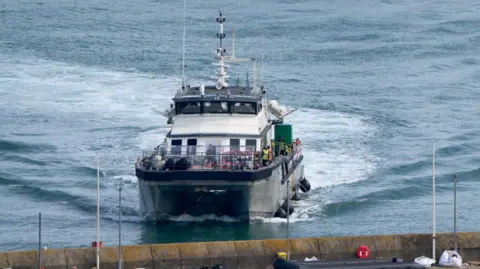
The incident serves as a stark reminder of the escalating migrant crisis affecting the Channel region, where thousands of individuals attempt perilous journeys each year in hopes of reaching safety and opportunity. The waters separating France and the United Kingdom have become increasingly congested with unauthorized crossing attempts, prompting heightened vigilance from maritime authorities. Weather conditions, powerful currents, and heavy vessel traffic create an inherently dangerous environment for small boats attempting the crossing. The combination of these factors has previously resulted in tragic loss of life, making every successful rescue operation a critical intervention.
French authorities have intensified their maritime presence in recent months as part of broader efforts to manage irregular migration patterns and enhance safety in the Channel. The French coastguard response to this particular incident demonstrates the commitment to preserving human life despite the complex geopolitical and humanitarian challenges surrounding migration. Such rescue operations require significant resources, coordination between multiple agencies, and specialized maritime expertise. The successful outcome in this case represents a victory for humanitarian principles, though the fundamental issues driving these desperate journeys remain unresolved.
This rescue operation contributes to the broader context of Channel migration trends, where unauthorized crossings have become increasingly common despite enforcement efforts and diplomatic discussions between French and British governments. Both nations have invested substantially in border security measures, surveillance technology, and coordinated enforcement operations. However, the fundamental drivers of migration—including conflict, poverty, persecution, and climate change—continue to push individuals toward dangerous routes. The human dimension of these crises often becomes obscured by policy debates, yet incidents like this rescue operation bring the real-world consequences into sharp focus.
The successful rescue of 106 individuals raises important questions about the sustainability of current approaches to managing irregular migration in the Channel region. While rescue operations save lives in the immediate term, they do not address the underlying conditions that compel people to undertake such hazardous journeys. International observers note that comprehensive solutions require coordinated approaches addressing root causes of displacement, establishing legal pathways for migration, and enhancing burden-sharing among European nations. These broader policy considerations often remain secondary to immediate humanitarian imperatives during crisis situations.
Maritime rescue operations like this also highlight the physical and emotional toll on personnel tasked with responding to these emergencies repeatedly. Coastguard members and rescue workers face challenging conditions while executing their duties, often encountering traumatic scenarios and managing complex human situations. Training, equipment, and psychological support for these professionals represent essential investments in maintaining effective rescue capabilities. The dedication demonstrated by French maritime personnel in this incident reflects the commitment of rescue workers across the region to preserve life despite the challenging circumstances they regularly encounter.
The incident's occurrence underscores the unpredictable nature of Channel crossings and the thin margin between successful rescue and tragedy. Many similar vessels attempt the crossing without incident, while others encounter mechanical problems, adverse weather, or overcrowding-related instability. The luck involved in survival often depends on factors like proximity to maritime authorities, quality of distress communications, and prevailing weather conditions. Recognizing these variable outcomes reinforces the critical importance of prevention through addressing underlying migration drivers and establishing safe, legal alternatives to dangerous unauthorized crossings.
Looking forward, the challenges presented by this Channel rescue operation suggest that continued dialogue between French and British authorities will remain essential. Joint efforts focusing on prevention, enforcement, and humanitarian assistance can help mitigate the risks faced by vulnerable migrants while addressing legitimate security concerns. International cooperation involving other European nations and upstream countries can potentially enhance effectiveness of migration management strategies. The success of this particular rescue operation, while commendable, represents a temporary solution to ongoing structural challenges requiring sustained political commitment and resources.
Source: BBC News


