
French Open Stars Cut Media Time Over Prize Money Row

Top tennis players including Sabalenka, Gauff, and Sinner limit French Open media duties to 15 minutes in protest over insufficient prize money.
In a significant show of solidarity, several of the world's top tennis players have taken a unified stance at the French Open, restricting their mandatory media obligations to just 15 minutes per session. This coordinated action represents a growing tension between elite competitors and tournament organizers regarding prize money distribution in professional tennis.
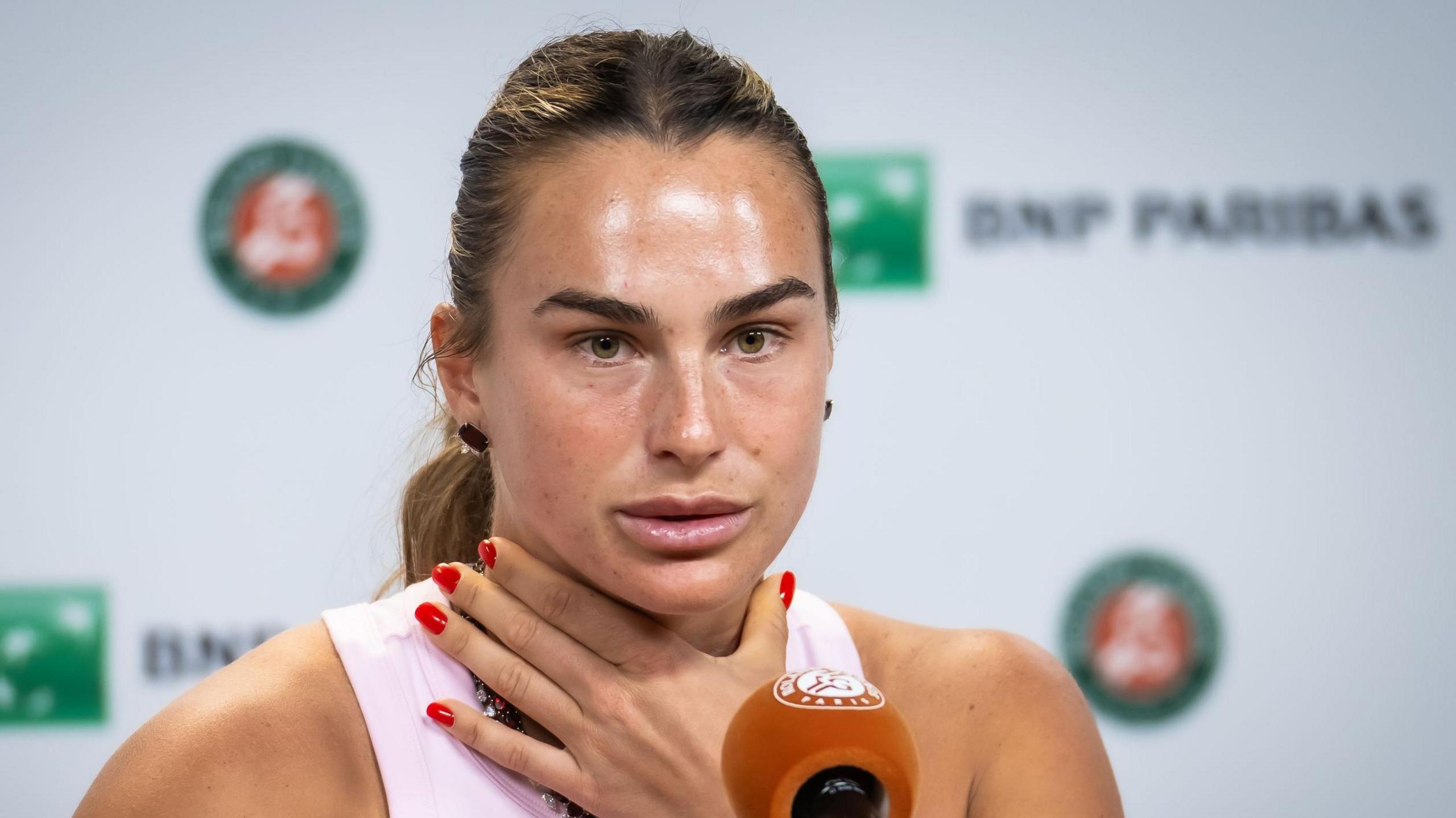
Leading the charge are prominent figures such as Aryna Sabalenka, Coco Gauff, and Jannik Sinner, who have collectively decided to cap their post-match interviews and press conference appearances. The decision reflects broader frustrations within the professional tennis community about compensation levels at Grand Slam events, where players argue that prize pools have not kept pace with the sport's rising commercial value and global popularity.
The protest highlights a critical issue in modern professional tennis: the disconnect between the enormous revenue generated by major tournaments and the financial rewards offered to the athletes who create that value. Players have increasingly voiced concerns that even winners of prestigious tournaments receive compensation that falls short of what they could earn through alternative professional ventures or endorsement opportunities.
Sabalenka, who has established herself as one of the sport's dominant forces in recent years, has been particularly vocal about tennis economics. Her decision to join this media boycott signals the seriousness with which top-ranked players view the compensation dispute. The Australian Open champion's involvement lends significant weight to the protest, given her status as a major draw for broadcasters and sponsors.
Coco Gauff, representing the younger generation of tennis excellence, has similarly embraced the action. The American star's participation suggests that concerns about prize money fairness resonate across different age groups and career stages within the professional tennis circuit. This generational unity strengthens the collective bargaining position of players relative to tournament organizers.
Jannik Sinner's involvement adds another layer of significance to the protest. The rising Italian star has already proven himself among tennis's elite, with his performance at Grand Slam events making him a critical asset to tournament organizers seeking to attract global television audiences. His decision to restrict media availability underscores how widespread the dissatisfaction has become among the sport's most marketable talents.
The 15-minute limitation on media duties represents a middle ground between full cooperation and complete refusal to engage with the press. Players still fulfill their contractual obligations to participate in interviews and press conferences, but they do so within a constrained timeframe. This approach allows them to register their protest without risking penalties or legal complications that might arise from entirely ignoring media requirements.
Tournament regulations at the French Open typically mandate that players participate in media commitments following their matches. These sessions are essential for broadcasters, journalists, and the sport's media ecosystem. By limiting their availability, the participating players are exerting pressure on tournament officials while maintaining the appearance of compliance with existing rules.
The underlying issue of Grand Slam prize money has been a contentious topic for years. Critics argue that when considering the physical demands, training costs, travel expenses, and relatively short career spans of professional athletes, the prize pools at major tournaments should be substantially larger. Players must invest significant resources in coaching, physiotherapy, and equipment maintenance, all of which come from their own pockets.
Financial analysts have noted that the French Open, like other Grand Slam tournaments, generates billions of euros in television rights, sponsorship deals, and ticket sales annually. Yet the prize money distributed to players represents only a fraction of this total revenue. The disparity has become increasingly difficult for players to accept, particularly as the global tennis audience and associated commercial opportunities continue to expand.
This protest also reflects a broader pattern of athlete activism in professional sports. From football to basketball to tennis, elite performers are increasingly asserting their market power to negotiate better terms and conditions. The collective nature of this French Open media action demonstrates that players recognize their combined leverage as a workforce essential to the tournament's success.
Tournament organizers face a delicate situation in responding to the protest. Pushing back too hard risks alienating the sport's biggest stars and damaging the prestige of the event. Conversely, making immediate concessions could establish a precedent that encourages further player actions at other tournaments. The resolution of this dispute could have implications for how player compensation is handled across the entire professional tennis circuit.

The French Open authorities have not yet issued a formal response to the players' actions. However, the unified stance of multiple top-ranked competitors suggests that negotiations between players and tournament officials may intensify in coming days. Previous disputes in professional sports have often been resolved through dialogue and compromise, and the same approach may be necessary here.
Looking forward, this protest could serve as a catalyst for broader conversations about athlete compensation in tennis. If the participating players successfully use their media restrictions to draw attention to prize money inequities, it might encourage players at other tournaments to adopt similar tactics or more aggressive negotiating strategies.
The involvement of players like Sabalenka, Gauff, and Sinner also ensures that this dispute receives significant media attention despite—or perhaps because of—their efforts to limit media engagement. The irony of using media boycotts to highlight issues related to media interaction has not been lost on observers of the tennis world.
For fans and casual observers, the protest raises important questions about the economics of professional sports and athlete rights. As the French Open continues, the situation will likely remain a focal point of discussion among tennis commentators, journalists, and industry analysts who cover the sport.
The outcome of this standoff between top players and the French Open organization could ultimately reshape how prize money is negotiated and distributed at professional tennis's highest levels, setting a new standard for player advocacy and compensation equity in the sport.
Source: BBC News


