
French PM's Baguette Shop Visit Sparks Labor Day Controversy

French Prime Minister Sébastien Lecornu ignites heated debate by visiting a bakery on Labour Day, challenging union demands for mandatory rest.
French Prime Minister Sébastien Lecornu has reignited a contentious debate about workers' rights and holiday observance by making a public visit to a local boulangerie on May 1st, traditionally observed as Labour Day across France. The visit, which might have gone unnoticed under normal circumstances, has become the focal point of significant controversy between the government and labor unions who view the act as a direct challenge to their fundamental principles regarding mandatory rest days.
The incident represents far more than a simple shopping trip for fresh bread. By visiting the bakery during France's most sacred labor holiday, Lecornu inadvertently—or perhaps deliberately—sent a powerful message about the government's stance on labor flexibility and holiday observance. Labor unions have responded with considerable outrage, viewing the Prime Minister's actions as a deliberate provocation designed to undermine the sanctity of May 1st as a day when French workers are guaranteed protection from labor obligations.
May 1st holds profound significance in France's labor history, commemorating the international workers' movement and serving as a moment for unions to reaffirm their commitment to worker protections. The day has been recognized as a mandatory public holiday in France for decades, with strict regulations preventing most commercial activities and ensuring workers receive proper compensation and rest. Labor unions have long fought to preserve this tradition as a symbol of their hard-won achievements in securing workers' rights.
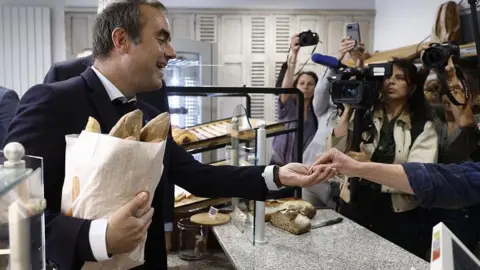
The controversy surrounding Lecornu's baguette purchase underscores deeper tensions within French society regarding labor rights and modern economic practices. France, known for its robust labor protections and strong union presence, has consistently maintained stricter regulations on commercial activity during public holidays compared to many other European nations. The Prime Minister's visit to the bakery appears to challenge this established norm, suggesting a willingness to normalize commercial operations during traditionally protected periods.
Union leaders have characterized the incident as emblematic of a broader governmental agenda to gradually erode labor protections and increase workplace flexibility. They argue that allowing commercial establishments to operate on Labour Day, even in seemingly innocent contexts like bakeries, represents a slippery slope toward the complete commercialization of sacred holidays. The union response has been swift and vocal, with multiple labor organizations issuing statements condemning what they view as a disrespectful gesture toward workers and their historical struggles.
French bakeries occupy a unique position in this debate. Traditionally, boulangeries have been granted certain exemptions from holiday closures due to the perishable nature of their products and the cultural importance of fresh bread in French daily life. However, unions argue that even these traditional exemptions should be carefully managed and that Prime Ministerial patronage of holiday operations sends the wrong signal to other businesses seeking to expand their commercial activities during protected periods.
The timing of Lecornu's visit adds another layer of complexity to the situation. By visiting the bakery on May 1st itself rather than purchasing bread on another day, the Prime Minister made what many interpret as a calculated political statement. Critics suggest this timing was not coincidental but rather a deliberate demonstration of his willingness to challenge union orthodoxy and traditional labor practices that some government officials view as outdated obstacles to economic flexibility.
This incident occurs within a broader European context where different nations are experimenting with varying approaches to labor flexibility and holiday observance. While some European countries have gradually liberalized their restrictions on commercial activity during public holidays, France has maintained relatively strict standards. Lecornu's actions suggest that certain government figures may be interested in shifting this balance, viewing rigid holiday restrictions as incompatible with modern economic demands.
The labor movement in France remains one of Europe's strongest and most organized, with unions maintaining significant political influence and public support. May 1st serves not only as a day of rest but as a symbolic occasion when unions mobilize and demonstrate their continued relevance and commitment to worker advocacy. Any perceived government challenge to this day carries substantial political weight within France's labor community and among workers more broadly.
Government representatives have attempted to downplay the controversy, suggesting that Lecornu's visit was a personal errand rather than a political statement. However, union officials remain unconvinced, arguing that a Prime Minister's public actions inevitably carry political significance regardless of intent. The debate has evolved into a broader discussion about what Labor Day means in contemporary France and whether traditional protections remain relevant or represent needless restrictions on commerce and everyday activities.
This controversy reflects tensions that exist in many developed democracies where labor protections established during earlier eras occasionally clash with modern economic preferences for flexibility and 24/7 commerce. France has historically prioritized worker welfare and mandatory rest over maximized commercial activity, viewing this approach as fundamental to quality of life and work-life balance. The Prime Minister's actions challenge this philosophy, whether intentionally or not, suggesting a potential philosophical shift in governmental priorities.
The incident has generated considerable media attention and public debate, with French citizens divided on the issue. Some view the unions' response as excessive, arguing that purchasing baguettes represents a trivial concern compared to substantial labor issues. Others sympathize with union concerns, viewing the symbolic importance of maintaining May 1st as a truly protected holiday as crucial for defending broader worker protections and preventing gradual erosion of labor rights.
Moving forward, this incident may influence how French authorities approach the balance between commercial flexibility and labor protections during public holidays. Whether Lecornu's visit catalyzes policy changes or remains a singular controversial moment will depend on broader political dynamics and the government's commitment to its labor agenda. The controversy demonstrates that in France, even seemingly simple actions by government leaders can become lightning rods for deeper debates about fundamental values and priorities.
The baguette incident ultimately symbolizes the ongoing negotiation between modern economic demands and traditional worker protections that characterizes contemporary French politics. As France continues to evolve economically and socially, these tensions will likely persist, with labor rights advocates vigilantly guarding against perceived incursions on hard-won protections. The Prime Minister's bakery visit, whether intended as such or not, has become a catalyst for important conversations about the future of labor protections in France.
Source: BBC News


