
From Counterculture to Commerce: The Psychedelic Industry's Corporate Pivot

Explore how psychedelics shifted from 1960s counterculture to mainstream acceptance, now backed by Silicon Valley and veterans' advocacy groups seeking profit.
The transformation of psychedelic drugs from symbols of 1960s rebellion to potential pharmaceutical and commercial ventures represents one of the most striking reversals in American cultural and political history. What was once condemned as a threat to society's moral fabric has become an increasingly mainstream business opportunity, fueled by a powerful coalition of military veterans, tech entrepreneurs, and progressive investors seeking to reshape the future of drug policy and market opportunity.
On May 13, 1966, the United States Senate convened a dramatic hearing that epitomized the establishment's fear of psychedelic substances. Dr. Timothy Leary, a Harvard-trained clinical psychologist and counterculture icon whom many labeled "the most dangerous man in America," faced intense questioning from Senator Ted Kennedy about the dangers of LSD and other hallucinogenic compounds. Kennedy's interrogation reflected the visceral panic gripping American political leadership at the time. These substances were seen as the chemical engine driving the hippie movement, fueling anti-war protests, and accelerating the perceived dissolution of traditional American values and social order. The senator's questioning was pointed and accusatory, with Kennedy declaring LSD a dangerous drug. Yet Leary's calm insistence that LSD was not inherently dangerous fell on skeptical ears.
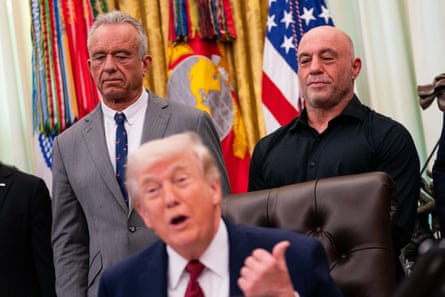
Fast forward nearly six decades, and the narrative has undergone a seismic shift. In a striking historical irony, Robert F. Kennedy Jr., the nephew of that same skeptical senator, stood beside Donald Trump as the president signed a significant executive order aimed at advancing research and development of psychedelic therapy and potentially facilitating access to these compounds. This dramatic pivot signals a fundamental recalibration of American attitudes toward substances once considered cultural poison.

The journey from Senate condemnation to presidential endorsement has been paved by several converging forces. Veterans' advocacy groups have emerged as perhaps the most politically potent constituency pushing for psychedelic reform and research. Combat veterans suffering from PTSD and other service-related mental health conditions have become powerful voices in the debate, with many claiming that psychedelic-assisted therapy offers therapeutic benefits unavailable through conventional psychiatric treatments. These veterans have lent a sympathetic and patriotic face to the movement, shifting the conversation from recreational drug use to therapeutic necessity. Their personal testimonies about recovery and healing have proven far more persuasive in political circles than any counterculture rhetoric from the 1960s.
Silicon Valley's involvement represents another crucial dimension of this transformation. Tech entrepreneurs and venture capitalists have identified the psychedelic space as a promising frontier for both innovation and investment. Companies focused on developing psychedelic medicines and therapeutic protocols have attracted substantial funding from investors convinced that these substances represent the future of mental health treatment. The Silicon Valley connection has given the movement an entrepreneurial sheen and aligned it with technology sector optimism about disruption and innovation. This association with cutting-edge business thinking has elevated psychedelics from countercultural curiosities to legitimate commercial opportunities worthy of serious capital allocation.

The political evolution has been equally dramatic. What once appeared to be a reliably conservative position—fierce opposition to psychedelics—has given way to a more pragmatic calculus among right-wing politicians and activists. Some conservative leaders have embraced psychedelic research as compatible with their policy priorities, particularly when framed through the lens of military readiness, veteran health, and individual liberty. The ability to repackage psychedelics as a solution to veterans' mental health crises has allowed conservatives to champion research and potential commercialization without appearing to abandon their traditional law-and-order credentials. Instead, they can present themselves as innovative thinkers willing to reconsider failed policies if evidence warrants.
The academic and scientific establishment has contributed significantly to this legitimization process. Rigorous clinical research conducted at prestigious institutions has documented the therapeutic potential of substances like psilocybin and MDMA in treating depression, anxiety, PTSD, and end-of-life distress. These studies, published in peer-reviewed journals and presented at medical conferences, have shifted the scientific consensus and provided political cover for policymakers seeking to support research initiatives. The involvement of respected researchers and medical institutions has effectively removed the stain of association with recreational drug culture.
The economic potential underlying this shift cannot be overlooked. The global psychedelic market is projected to expand substantially as regulations relax and clinical applications broaden. Pharmaceutical companies, biotech startups, and traditional wellness enterprises see significant revenue opportunities in developing, manufacturing, and distributing psychedelic therapies. Investment firms have begun dedicated funds focused on the psychedelic sector, signaling confidence in the commercial viability of these compounds. This financial dimension adds a powerful economic constituency to the political coalition supporting psychedelic reform, potentially making the shift more durable than policy changes driven by ideology alone.
The executive order signed during the Trump administration represented more than symbolic recognition. It outlined concrete steps toward facilitating research, streamlining regulatory pathways, and potentially creating frameworks for expanded access to psychedelic therapies. Such governmental action would have been unthinkable during previous administrations, demonstrating how thoroughly the political landscape has shifted. The order's specifics involved directing federal agencies to examine how they could support psychedelic drug development and remove unnecessary regulatory barriers, setting the stage for potential commercialization and wider therapeutic deployment.
This transformation raises important questions about how political opposition to drug policy can be overcome and how profit motives interact with therapeutic innovation. The psychedelic story suggests that reframing potentially controversial substances through the lens of patriotic service to veterans and advanced medical science can neutralize traditional political resistance. It also demonstrates the growing influence of Silicon Valley entrepreneurs and venture capitalists in shaping policy conversations around emerging technologies and novel therapies. Whether the shift toward commercialization will ultimately serve the therapeutic needs of vulnerable populations or primarily benefit investors and companies remains an open question that will likely define the next chapter of psychedelic policy.
The remarkable journey from Ted Kennedy's hostile 1966 Senate interrogation to contemporary discussions of presidential executive orders supporting psychedelic research encapsulates a broader American tendency to eventually embrace commercial opportunities once they become sufficiently profitable and politically palatable. The counterculture's psychedelic vision has been decisively displaced by a more calculated approach centered on market development and therapeutic protocols. Whether this represents genuine progress in addressing mental health crises or merely a sophisticated repackaging of substances for profit remains a question that future generations will continue to debate.


