
From Misfit to Hip-Hop Star: Reble's Rise

Discover how Reble transformed from outsider to India's most exciting hip-hop voice, blending defiance with northeast Indian roots.
In the increasingly crowded landscape of Indian hip-hop, one artist has managed to carve out a truly distinctive space through raw authenticity and unapologetic defiance. Reble, whose name itself suggests a spirit of rebellion, has emerged as one of the most compelling new voices in the genre, bringing a fresh perspective that challenges conventional narratives about what Indian rap can sound like. His music represents far more than mere entertainment—it's a cultural statement rooted in the rich traditions and contemporary struggles of India's northeast region, a voice that refuses to be silenced or sanitized for mainstream consumption.
The journey from being perceived as a misfit to achieving recognition as a hip-hop sensation hasn't been straightforward, but it's been undeniably authentic. Reble's trajectory reflects a larger story about artistic persistence in a competitive industry where regional artists often struggle to gain national and international attention. His rise comes at a pivotal moment in Indian music when hip-hop is experiencing unprecedented growth and diversification, yet many artists still face barriers related to their regional identities and cultural backgrounds. The artist's ability to overcome these obstacles while maintaining artistic integrity speaks volumes about both his talent and his unwavering commitment to his craft.
What sets Reble apart in the crowded field of Indian hip-hop artists is his deliberate incorporation of his northeast heritage into every aspect of his musical identity. Rather than adopting the standardized aesthetic that many aspiring rappers have traditionally felt pressured to embrace, Reble has embraced his regional roots as a source of creative strength. His lyrics weave together references to local culture, personal experiences, and social commentary that resonates deeply with listeners who see their own stories reflected in his work. This approach has not only distinguished him from his peers but has also opened doors for other regional artists who previously felt marginalized within the genre.

The defiance that characterizes much of Reble's music extends beyond mere lyrical content—it permeates his entire artistic philosophy and approach to the industry. In an era when many artists prioritize commercial viability and algorithmic optimization, Reble has chosen to prioritize artistic expression and authenticity, even when doing so meant slower initial growth and limited mainstream radio play. This rebellious spirit has, paradoxically, become his greatest asset, attracting an intensely loyal fanbase of listeners who appreciate his refusal to compromise. His music doesn't apologize for being different; it celebrates difference as a source of power and truth.
The northeast Indian music scene has long been underrepresented in national conversations about Indian pop and urban music, with most mainstream attention focused on artists from metropolitan hubs like Mumbai, Delhi, and Bangalore. Reble's emergence as a significant figure in hip-hop represents an important shift in this dynamic, bringing visibility and prestige to a region with an extraordinarily rich musical heritage. The northeast has produced numerous talented musicians across various genres, yet many struggle to achieve the recognition they deserve on national platforms. By achieving prominence while maintaining his regional identity, Reble serves as both a inspiration and a proof of concept for other artists from underrepresented parts of India.
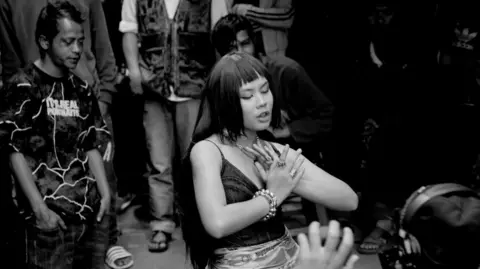
Reble's sonic approach reflects careful attention to production quality and musical sophistication that belies the sometimes raw quality of his vocal delivery. His beats and instrumentals draw from various influences—traditional northeast musical elements, modern trap and boom-bap production, and experimental sounds that demonstrate a willingness to push boundaries. This fusion creates a unique soundscape that feels both distinctly Indian and internationally contemporary, a balance that many artists attempt but few achieve successfully. The production choices serve the lyrical content rather than overshadowing it, creating a cohesive artistic package where every element works in service of the overall vision.
Beyond the music itself, Reble's ascent in the industry speaks to changing attitudes within Indian music and entertainment regarding diversity, regional representation, and artistic authenticity. As streaming platforms have democratized music distribution, artists no longer require traditional gatekeepers' approval to reach audiences, creating space for voices that might have previously been overlooked. This shift has been particularly beneficial for hip-hop, a genre that has always thrived on authenticity and has often served as a vehicle for marginalized voices. Reble has capitalized on this opportunity while also working within traditional channels, performing at major festivals and events that help establish credibility within the broader music community.
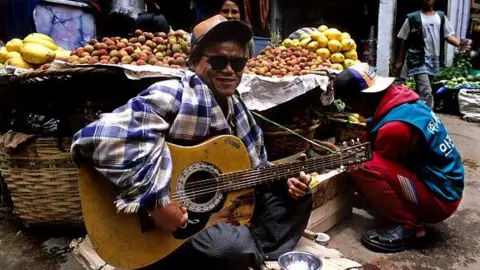
The personal narrative underlying Reble's artistic persona also contributes significantly to his appeal and relatability. Many of his fans connect with his music because it speaks to experiences of feeling like an outsider, of navigating cultural identity in a globalized world, and of refusing to conform to expectations imposed from outside. This universal quality—wrapped in deeply specific cultural and regional details—creates an art form that reaches across different audiences and demographics. His story suggests that true artistic success isn't achieved by diluting one's identity to appeal to the broadest possible audience, but rather by expressing that identity with such clarity and conviction that it becomes universally resonant.
As Reble continues to build his career and expand his influence within Indian hip-hop, his trajectory promises important implications for the future of the genre within the country. He represents the possibility of mainstream success while maintaining artistic integrity, of gaining national prominence while celebrating regional identity, and of rising as a music sensation through a commitment to authenticity rather than commercial calculation. The hip-hop community in India is watching his moves closely, seeing in his work both inspiration and proof that there is space for diverse voices in the genre. His evolution from perceived misfit to acclaimed artist serves as a powerful reminder that the margins often contain the most innovative and meaningful artistic voices, and that mainstream success doesn't require abandonment of one's cultural roots.
Looking forward, Reble's continued growth and influence will likely shape how Indian hip-hop develops as a genre and cultural force. His success has already inspired other northeast Indian artists to pursue their own musical ambitions with greater confidence and visibility. As more regional voices gain prominence, Indian hip-hop becomes increasingly reflective of the country's actual cultural diversity—a music that sounds Indian in multiple ways rather than one standardized interpretation. Reble stands at the forefront of this transformation, not merely as a successful artist but as a cultural figure whose work and approach have implications extending far beyond the hip-hop community itself.
Source: BBC News


