
Gabon's Social Media Ban Sparks Rights Concerns

Activists warn Gabon's indefinite suspension of social media platforms during protests marks a concerning escalation in the government's crackdown on dissent and internet freedoms.
As tensions escalate in the Central African nation of Gabon, human rights advocates are raising alarm bells over what they characterize as a systematic and troubling assault on digital freedoms. The government's decision to indefinitely suspend major social media platforms in February, justified through claims of maintaining security during widespread anti-government demonstrations, has sparked intense debate about the boundaries between national security and fundamental democratic rights. This action represents a watershed moment in the country's relationship with internet freedom and digital expression.
The social media clampdown in Gabon did not occur in isolation but rather emerged as part of a larger pattern that observers say reveals the government's willingness to weaponize regulatory authority against perceived opponents. When Gabon's media regulator announced the indefinite suspension of major social media platforms, citing security concerns during anti-government protests, the decision immediately became the subject of intense national and international scrutiny. Local residents, civil society organizations, and international observers began documenting the implications of this unprecedented digital shutdown on the country's population and civil society.
The immediate response from ordinary Gabonese citizens demonstrated both the significance of digital connectivity and the lengths to which people would go to maintain access to these platforms. Within weeks of the official announcement, the deployment of Virtual Private Networks (VPNs) to bypass the government-imposed restrictions increased dramatically across the central African country. These technological workarounds, which mask users' digital locations and encrypt their internet activity, became essential tools for citizens determined to maintain their online presence and access to information sources they relied upon for news, communication, and community engagement.

However, the government's response to these circumvention efforts proved swift and severe, raising troubling questions about enforcement mechanisms and potential violations of civil liberties. Gendarmerie forces began systematically stopping young men at road checkpoints throughout the capital Libreville and other major urban centers, conducting searches specifically targeting mobile phones with VPN applications installed or evidence of VPN usage. Individuals found in possession of these tools faced potential detention, creating an atmosphere of fear and surveillance that extended digital restrictions into the physical realm. Word-of-mouth warnings about these checkpoints spread rapidly through communities, fundamentally altering how citizens interacted with technology and public spaces.
Beyond the technical blocking and enforcement mechanisms, digital rights activists documented what they characterized as coordinated suppression of individual accounts and online voices. Multiple accounts belonging to opposition members and human rights activists were suspended or restricted, with complainants alleging that state officials orchestrated these actions to silence dissenting voices. The targeting of specific accounts suggested a more sophisticated approach than simple platform-wide restrictions, involving what appeared to be targeted censorship designed to eliminate particular voices from the digital public sphere. These account suspensions coincided with broader patterns of government pressure on those critical of official policies.
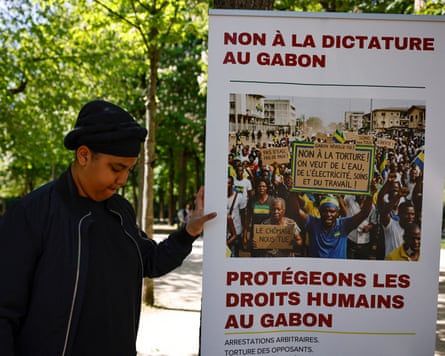
The situation in Gabon must be understood within the context of what international observers describe as a well-documented historical pattern of governmental suppression of dissent. Human rights organizations have compiled extensive records detailing how Gabonese authorities have repeatedly employed various mechanisms to restrict freedom of expression, limit press freedoms, and constrain civil society activities. This latest internet freedom restriction does not represent an aberration from normal governance but rather appears consistent with established patterns of controlling information flow and limiting spaces for public discourse. The targeting of digital platforms suggests that as traditional media faced constraints, the government moved to control emerging spaces for citizen expression and organization.
Civil society advocates emphasize that the government's actions constitute what they term a "blatant disregard for rights" enshrined in both national law and international obligations. Gabon, like other nations, has committed to respecting freedom of expression and access to information through its ratification of international human rights instruments. The indefinite suspension of social media platforms without clear timelines for restoration, combined with enforcement actions against citizens using technological workarounds, arguably violates these commitments. Activists argue that security concerns, even if legitimate, do not justify blanket restrictions on digital platforms that serve essential functions for modern communication, commerce, and civic participation.
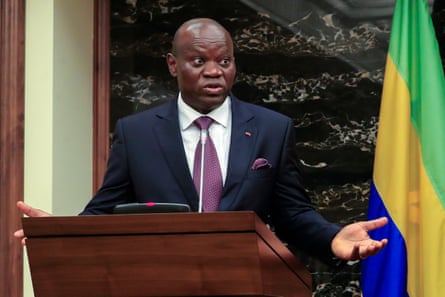
The broader implications of Gabon's approach extend beyond immediate effects on its citizens to establish concerning precedents for the region and globally. When governments demonstrate that they can restrict access to major communication platforms during periods of social unrest without significant consequences, it incentivizes similar actions elsewhere. Other nations facing protest movements or political challenges may view Gabon's actions as a viable strategy for information control. This normalization of digital restrictions threatens to reshape the landscape of digital freedoms across Africa and beyond, potentially establishing platforms and practices that future governments can build upon and expand.
The technological cat-and-mouse game between Gabonese authorities and citizens seeking unrestricted internet access illustrates the complexity of modern digital control mechanisms. While VPNs and other circumvention tools provide technical solutions to platform restrictions, they do not address the chilling effect created by enforcement actions against users. When individuals face potential detention for possessing privacy tools, many become reluctant to use them despite their technical availability. This creates a situation where formal restrictions may be overcome through technology, but informal enforcement through surveillance and detention effectively limits usage patterns. The combined effect achieves governmental goals of controlling digital discourse without requiring complete technical blocking.
Looking forward, the situation in Gabon raises urgent questions about the future of digital rights in Africa and the responsibilities of social media platforms operating in countries with problematic human rights records. International human rights organizations are calling for platform transparency regarding government requests and compliance with demands to restrict content or suspend accounts. These calls reflect growing recognition that technology companies, despite their nominally private status, wield significant power over digital expression and bear responsibility for protecting users' rights. The decisions made by platforms in response to Gabon's situation may establish patterns that influence corporate behavior across the region.
As the situation continues to evolve, international attention remains focused on whether the indefinite suspension will be lifted, under what conditions restoration might occur, and whether the government will continue targeting citizens for circumvention attempts. The stakes extend beyond Gabon's borders to fundamental questions about the balance between state security interests and individual rights to digital access and expression. Civil society organizations are documenting ongoing developments, engaging with international bodies, and building cases for potential accountability mechanisms. The coming months will likely prove critical in determining whether this episode represents a temporary aberration or signals a permanent shift in how Gabonese authorities approach digital governance and control.
Source: The Guardian


