
GameStop's $56B eBay Bid Raises Eyebrows

GameStop makes unsolicited $55.5B offer for eBay, claiming synergies with retail locations. Financing details remain unclear as analysts question viability.
In a bold and unexpected move that has sent shockwaves through the retail and e-commerce industries, GameStop announced yesterday that it has submitted an unsolicited acquisition proposal to acquire eBay for approximately $55.5 billion. The gaming retailer argues that the iconic online marketplace has significantly underperformed relative to its potential and contends that eBay's operational inefficiencies, particularly in its sales and marketing expenditures, have prevented it from achieving optimal profitability and growth.
The proposal represents an audacious attempt to transform eBay's business model through a combination of cost reduction initiatives and strategic integration with GameStop's extensive physical retail footprint. According to GameStop's leadership, this merger would position eBay to operate more efficiently while leveraging GameStop's nationwide presence to create unique competitive advantages in the marketplace.
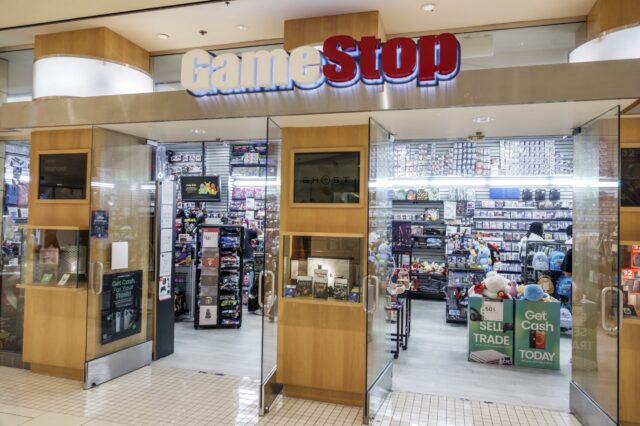
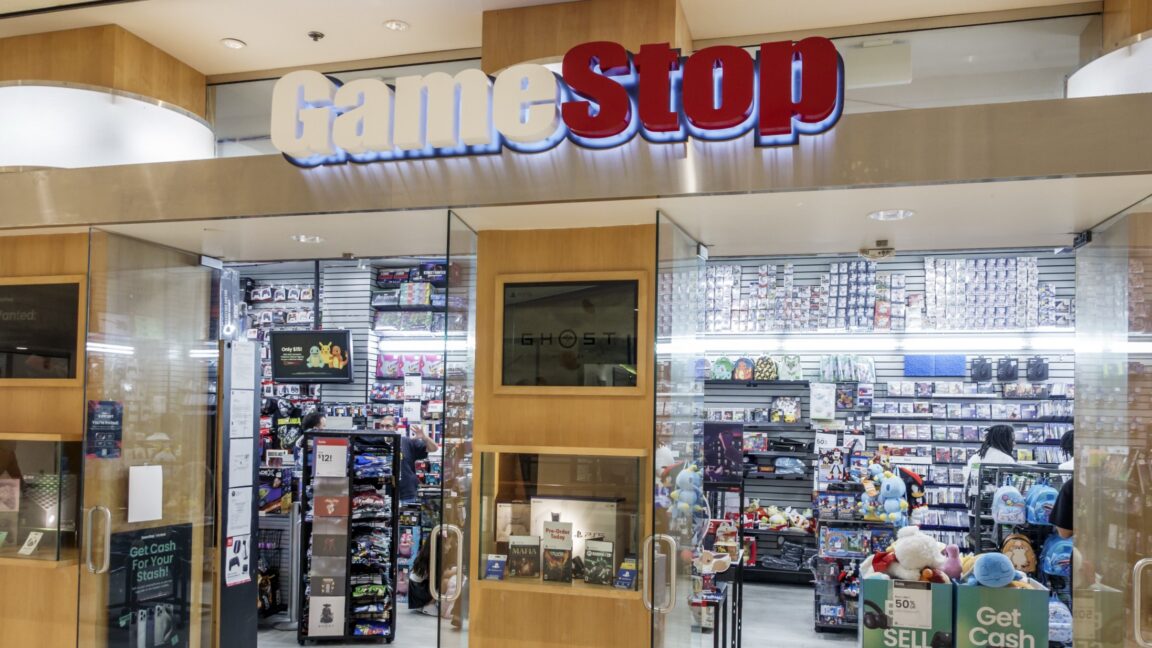
Ryan Cohen, GameStop's Chairman and Chief Executive Officer, outlined the strategic rationale in a formal letter submitted to eBay's Chairman Paul Pressler. Cohen emphasized that GameStop's approximately 1,600 physical locations across the United States could provide eBay with a comprehensive national network designed specifically for product authentication, inventory intake, order fulfillment, and live commerce capabilities that the company currently lacks.
The proposed merger would allow eBay to establish a hybrid retail-digital platform that could enhance customer trust and streamline logistics operations. By utilizing GameStop's retail infrastructure, eBay could offer customers the ability to authenticate high-value items in person, drop off merchandise for resale, and engage in interactive shopping experiences that pure digital-only marketplaces cannot provide.
However, the proposal faces substantial hurdles that have prompted industry analysts and financial experts to express considerable skepticism regarding its feasibility. Most notably, eBay's current market capitalization significantly exceeds GameStop's by a factor of more than four times, creating an enormous valuation disparity that complicates the acquisition mathematics. This means that GameStop, despite its iconic status in gaming retail, is considerably smaller in financial terms than the target company it seeks to acquire.
The size disparity raises fundamental questions about how GameStop intends to finance such an enormous transaction. Acquisition deals of this magnitude typically require substantial capital resources and careful financial structuring. GameStop has stated that it intends to secure debt financing and plans to structure the purchase price using a combination of cash reserves, equity issuance, and borrowed funds, but specific details regarding the sources of financing and the exact proportion of each component remain notably vague.
Financial analysts have raised multiple red flags about the viability of GameStop's financing strategy. The company would need to convince lenders that a combined GameStop-eBay entity would generate sufficient cash flows to service the substantial debt burden that would accumulate from such a massive acquisition. Additionally, GameStop's recent financial performance and business challenges in the gaming retail sector have made some potential creditors wary of extending significant credit to the company.
The proposal also comes at a time when eBay itself is navigating significant strategic decisions about its future direction. The marketplace operator has been working to enhance its user experience, expand its seller community, and compete more effectively with Amazon and other dominant players in the e-commerce landscape. eBay's leadership would need to evaluate whether a combination with GameStop aligns with these strategic priorities or whether the company would be better served pursuing an independent path forward.
The acquisition proposal represents a significant departure from typical M&A activity in both the retail and e-commerce sectors. Rather than being pursued by a larger company with clearly demonstrated financial capacity, the unsolicited offer from a smaller retailer facing its own operational challenges suggests that GameStop leadership believes there are substantial untapped opportunities within eBay's business model that could be realized through aggressive cost reduction and operational restructuring.
Cohen's letter to Pressler emphasizes that eBay's current cost structure, particularly its spending on sales and marketing initiatives, represents inefficient capital allocation that reduces profitability. GameStop argues that by streamlining these expenses and leveraging its existing retail network, the combined entity could achieve significantly higher operating margins while maintaining or even expanding revenue opportunities.
The live commerce capabilities that GameStop proposes to implement through eBay's platform represent an emerging trend in e-commerce that blends traditional retail presentation with digital distribution. This approach, popular in Asian markets through platforms like Alibaba and TikTok Shop, allows sellers to demonstrate products in real-time to potential buyers, potentially increasing conversion rates and customer engagement compared to traditional online listings.
Regulatory considerations also loom large in assessing the likelihood of this acquisition proceeding. Antitrust authorities would need to evaluate whether combining eBay's massive marketplace platform with GameStop's retail presence creates any competitive concerns or market concentration issues that would warrant blocking the transaction. The Federal Trade Commission and potentially international regulators would need to conduct thorough reviews before any merger could be consummated.

Market observers are keenly watching how eBay's board of directors and management team respond to this unsolicited approach. Typically, companies receiving such proposals conduct financial analysis to evaluate the offer's merit, consider alternative strategic options, and potentially engage with the acquirer to negotiate revised terms or simply reject the proposal outright. eBay's response could include seeking superior proposals from other potential buyers, though few companies have the scale or financial capability to match or exceed GameStop's offer price.
The announcement has generated significant media attention and social media discussion, with retail industry observers debating the merits of combining GameStop's physical retail presence with eBay's digital marketplace infrastructure. Some analysts see potential synergies in creating a unified platform that bridges online and offline retail, while others question whether GameStop's current financial position and operational challenges make it a credible acquirer of a company of eBay's scale.
Ultimately, the success of this bid depends on GameStop's ability to demonstrate concrete financing arrangements, articulate a convincing strategic vision for the combined entity, and navigate the complex regulatory and board-level approval processes required for such a transformational transaction. Without clear answers to fundamental questions about financing sources and execution risk, this acquisition proposal may ultimately prove to be more aspirational than achievable within the realistic constraints of modern M&A practice.
Source: Ars Technica


