
Gary O'Donoghue Reveals Shock at Correspondents' Dinner Security Breach

BBC correspondent Gary O'Donoghue describes the confusion and fear experienced during a security incident at a prestigious correspondents' dinner event.
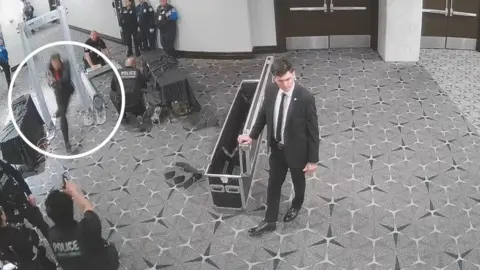
A security incident at a high-profile correspondents' dinner has left attendees shaken, with prominent BBC correspondent Gary O'Donoghue providing a firsthand account of the frightening moments when a man charged security personnel outside the dining room. According to law enforcement officials, the individual was carrying multiple weapons, prompting an immediate emergency response that left guests in a state of shock and disbelief about what was unfolding around them.
O'Donoghue, who has built his reputation covering international conflicts and major news events, described the surreal nature of the incident in his recounting of the evening's events. The seasoned correspondent emphasized that many attendees simply did not realize the severity of the situation until authorities had already begun responding to the threat. His account highlights how quickly a prestigious event can descend into chaos, even with security measures in place at such high-profile gatherings.
The armed individual's breach of the event's security perimeter raised immediate questions about venue protocols and the effectiveness of screening procedures designed to protect notable figures from the media, government, and public sectors. Law enforcement agencies responded swiftly to neutralize the threat, though details about how the person managed to bypass initial security checkpoints remained unclear in the immediate aftermath of the incident.
The dining event brought together some of the most prominent journalists, news anchors, and media personalities from across the United Kingdom and international news organizations. These gatherings are traditionally occasions for networking, celebrating journalistic excellence, and recognizing outstanding contributions to the media industry. The unexpected security threat transformed what should have been an evening of camaraderie and professional recognition into a harrowing experience that tested the composure of attendees.
O'Donoghue's description of the atmosphere captured the jarring contrast between the formal, celebratory ambiance and the sudden eruption of danger. "You just didn't know" what was happening initially, he explained, noting that the confusion and fears spread rapidly among guests as the situation developed. The correspondent's willingness to speak candidly about his own reactions demonstrates the human impact of such security breaches, regardless of one's professional experience with dangerous situations.
The incident serves as a stark reminder of the vulnerabilities that exist even at venues hosting carefully vetted guest lists and security protocols. While the specific motivations of the armed individual remain under investigation, the breach highlighted potential gaps in event security procedures that organizations hosting high-profile gatherings must continually reassess and improve upon.
Police confirmed that the suspect carried multiple weapons during the incident, underscoring the genuine danger posed by the breach. The rapid response from trained security personnel prevented a potentially catastrophic outcome, though investigators continued to gather evidence and interview witnesses in the days following the event. The presence of weapons raised significant concerns about how they had been smuggled past initial entry checkpoints.
For journalists like O'Donoghue who regularly report on violence and instability in conflict zones around the world, the incident struck a different chord than expected. Being subject to a security threat at home, in a space meant to celebrate their profession, created a unique sense of vulnerability. The contrast between covering danger from a journalistic distance and suddenly finding oneself in an unexpected danger zone resonated deeply with attendees.
The incident prompted broader discussions within media organizations about event security standards and the potential need for enhanced screening procedures at gatherings of prominent public figures. News organizations began evaluating their own protocols for ensuring the safety of staff attending professional events, conferences, and award ceremonies throughout the year.
O'Donoghue's candid reflection on the experience underscored how quickly normalcy can be disrupted and how the confusion and fears experienced by ordinary people during security incidents differ markedly from academic discussions of safety procedures. His account provided valuable insight into the psychological impact of such breaches, offering readers a window into what attendees actually experienced rather than merely understanding the facts of the case.
The armed individual's attempt to breach security at such a high-profile event raised important questions about threat assessment and risk management in the media industry. Correspondents and journalists, many of whom had themselves reported on security issues and dangers facing public figures, suddenly found themselves on the receiving end of a very real security crisis. This inversion of perspective added another layer of complexity to how the incident was understood and discussed within professional circles.
As investigations continued, the incident remained a sobering reminder that even well-organized events with established security measures could face unexpected challenges. The response demonstrated the importance of trained personnel, rapid decision-making, and clear protocols for handling emergency situations. Law enforcement praised the quick thinking of security staff who prevented an escalation of the situation.

O'Donoghue's willingness to discuss his experience contributed to a broader conversation about safety, preparedness, and the emotional reality of security breaches. His account served as an important reminder that behind every news story about security incidents are real people with real experiences and genuine moments of fear and uncertainty. The correspondents' dinner incident became a case study in how unexpected crises unfold and how individuals process such traumatic moments.
Looking forward, the incident is likely to influence how future high-profile gatherings are organized and secured, with venues and organizations implementing lessons learned from this breach. The balance between maintaining an open, welcoming atmosphere for professional networking and implementing robust security measures represents an ongoing challenge for event planners and security professionals alike.
Source: BBC News


