
Gas Prices Surge to $4.23 Amid Middle East Tensions

US gas prices hit $4.23 per gallon, the highest since 2022, as geopolitical tensions and oil market concerns drive crude prices sharply upward.
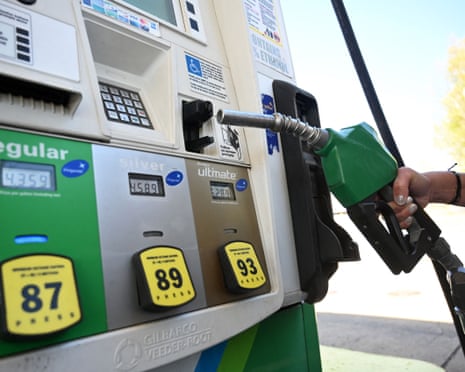
The United States is experiencing a significant surge in gas prices, with the national average climbing to $4.23 per gallon according to data from the American Automobile Association (AAA). This milestone represents the highest price point Americans have seen at the pump since 2022, marking a concerning trend for consumers and households already grappling with inflation pressures. The dramatic increase reflects broader concerns about global oil supply and geopolitical instability that continues to reverberate through energy markets worldwide.
The escalating tensions surrounding the Strait of Hormuz have become a primary catalyst for the recent oil surge, with blockade threats creating uncertainty about future energy supply routes. This vital maritime passage handles a significant portion of global oil trade, making it critically important to international energy security. Any disruption or threat to shipping through this critical chokepoint immediately triggers concerns among petroleum traders and energy analysts, who react by bidding up prices in anticipation of potential supply constraints.
Contributing to the upward pressure on prices are policy signals from the Trump administration regarding international relations and energy matters. These signals have added another layer of uncertainty to an already volatile global oil market. The combination of geopolitical tensions and shifting political winds has created an environment where crude oil prices have become increasingly unpredictable, with traders pricing in various risk scenarios.
Brent crude, the international benchmark that serves as the primary pricing mechanism for US gasoline and diesel fuel, has surged to approximately $114.60 per barrel. This represents a remarkable climb of nearly 25 percent from the recent low experienced in mid-April, demonstrating the dramatic volatility that has characterized energy markets in recent months. The sharp ascent in crude prices directly translates to higher costs at the pump for American consumers, who have little control over these international market forces.
To put the current situation in historical perspective, US gas prices one year ago averaged just $3.16 per gallon, meaning drivers are now paying approximately $1.07 more per gallon than they were at the same time last year. This 34-percent increase in fuel costs over a twelve-month period represents a substantial burden for working families, small business owners, and commercial transportation companies dependent on fuel costs. The acceleration in prices has been particularly sharp in recent weeks, raising concerns about further increases ahead.
Energy analysts point to multiple factors converging simultaneously to create this perfect storm in the petroleum market. The Middle Eastern geopolitical situation remains fluid and unpredictable, with various international actors maintaining competing interests in the region. Additionally, the global supply-demand balance for crude oil remains delicately calibrated, with any disruption capable of sending prices significantly higher from current already-elevated levels.
The impact of these fuel price increases extends far beyond individual consumers struggling with their weekly gas bills. Transportation companies operating trucks, buses, and delivery vehicles face substantially higher operational costs that often translate into increased expenses for goods and services throughout the economy. Airlines similarly face higher jet fuel costs, which can push up ticket prices for travelers. These cascading effects mean that elevated gasoline prices affect inflation throughout multiple economic sectors.
Market observers and energy experts continue monitoring the situation closely for any signs of resolution in the geopolitical tensions or changes in crude oil supply dynamics. The oil market volatility reflects genuine uncertainty about both near-term supply disruptions and longer-term strategic considerations regarding energy policy. Some analysts suggest that prices could move even higher if tensions escalate further, while others believe market conditions may eventually stabilize if diplomatic solutions emerge.
For American consumers, the immediate challenge involves budgeting for significantly higher transportation costs, whether for daily commutes, family travel, or business purposes. Those with older, less fuel-efficient vehicles face particularly acute financial pressures, while hybrid and electric vehicle owners benefit from relative protection against gasoline price volatility. Public transportation systems in some regions have also faced pressure to adjust pricing in response to higher operating costs.
The current energy crisis demonstrates the continuing importance of global oil markets to American economic stability and consumer welfare. Policymakers at federal and state levels are examining potential responses, ranging from releasing oil from strategic reserves to adjusting taxes and regulations affecting fuel markets. However, the international nature of oil pricing limits the effectiveness of purely domestic policy responses to this fundamentally global market phenomenon.
Looking ahead, the situation bears watching closely as developments in the Middle East and global energy markets continue to unfold. The convergence of geopolitical risk, policy uncertainty, and commodity market dynamics creates conditions where further price movements in either direction remain possible. Whether gas prices stabilize near current levels, climb higher, or eventually retreat depends on factors largely beyond the control of any single nation or policymaker, underscoring the interconnected nature of modern global energy systems.
Source: The Guardian


