
Gas Tax Debate: Should Australia Tax Energy Exports?

Australian campaigners push for gas export taxes, comparing policy to Norway and Qatar. Explore the heated debate on energy taxation and resource management.
Australia's energy sector has become the focal point of a significant policy debate, with environmental and economic campaigners arguing that the nation is effectively surrendering its valuable natural gas resources without adequate financial compensation. This contentious discussion has intensified as stakeholders examine how other resource-rich nations manage their energy exports and whether Australia should implement comparable gas export taxation measures to maximize public benefit from finite natural resources.
The core argument advanced by campaign groups centers on the premise that Australia's liquefied natural gas (LNG) exports generate substantial profits for private corporations while contributing relatively little to the nation's public coffers. These advocates contend that the current regulatory framework allows energy companies to extract and export gas at rates that fail to reflect the true economic value of the resource or compensate Australian taxpayers adequately for the depletion of their national assets. This perspective has gained traction among economists, environmental organizations, and policy experts who question whether existing taxation structures align with the interests of ordinary Australians.
The comparison to international precedents proves particularly instructive in this debate. Norway's energy taxation model has become a reference point for campaigners, as the Scandinavian nation has implemented comprehensive frameworks that ensure significant government revenue from oil and gas production. Similarly, Qatar, one of the world's largest natural gas exporters, maintains state ownership of major energy assets through its national petroleum company, guaranteeing that wealth generated from hydrocarbon exports directly benefits the nation. These contrasting approaches highlight the divergence between Australia's current strategy and alternatives employed by peer nations with similar resource endowments.

The Australian energy export debate encompasses multiple dimensions beyond simple taxation rates. Environmental advocates argue that existing policy inadequately accounts for the climate implications of expanding gas production and export, particularly given global commitments to reduce carbon emissions. Economic analysts simultaneously question whether current royalty and taxation arrangements capture sufficient value for future generations, particularly if commodity prices fluctuate or if the resource becomes less valuable as the global economy transitions toward renewable energy sources. These overlapping concerns have created an unusual coalition of environmentalists and fiscal conservatives united by skepticism toward current energy policy.
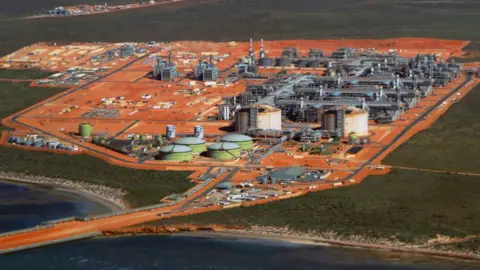
The gas industry in Australia has grown substantially over the past two decades, with major liquefied natural gas projects transforming the nation into one of the world's largest gas exporters. Companies operating in Western Australia and Queensland have invested tens of billions of dollars in infrastructure, creating employment and generating substantial corporate profits. However, these developments have occurred under regulatory frameworks established when policymakers possessed different assumptions about resource scarcity, energy demand trajectories, and climate change imperatives. The question of whether those frameworks remain appropriate has emerged as a pressing policy concern.
Proponents of increased resource taxation argue that the Norwegian model demonstrates how nations can maintain competitive energy sectors while securing superior government revenue. Norway's sovereign wealth fund, built primarily through petroleum revenues, has accumulated assets exceeding one trillion dollars, providing financial security for future generations. This alternative approach has inspired Australian campaigners to propose policy reforms that would restructure how the nation captures and utilizes wealth from hydrocarbon exports. They contend that similar mechanisms could fund infrastructure development, support clean energy transitions, and strengthen Australia's long-term economic resilience.

The industry perspective on taxation reform presents fundamentally different priorities and concerns. Energy companies argue that Australia's current regulatory environment, while not identical to Norway's or Qatar's, remains competitive within global markets and necessary to justify continued investment in exploration and extraction. They contend that significantly increasing export taxes on natural gas could discourage future project development, reduce employment opportunities, and disadvantage Australian companies competing against international competitors facing different regulatory burdens. These stakeholders emphasize that their operations generate substantial tax revenue through various existing mechanisms and contribute meaningfully to regional economies through direct employment and procurement spending.
The technical dimensions of this debate warrant closer examination, as different taxation mechanisms produce distinct outcomes. Royalty-based systems, which Australia currently employs, charge fees based on the volume or value of extracted resources. Profit-based taxation, which Norway utilizes, captures revenue only after companies deduct operational and capital costs. Hybrid approaches combining elements of both systems exist in various jurisdictions. The choice between these frameworks significantly influences both government revenue and the investment incentives facing energy companies. Australian policymakers must evaluate these alternatives while considering their nation's specific geological, economic, and political circumstances.
Public opinion surveys have consistently indicated that Australian voters support ensuring their nation captures maximum value from natural resources. However, this abstract support has not necessarily translated into political pressure sufficient to drive policy reform. Many citizens remain uncertain about technical details of energy taxation or hold conflicting priorities regarding economic growth, environmental protection, and government revenue. This knowledge gap has allowed industry perspectives to influence policy development, even as campaign organizations work to increase public awareness and engagement with resource taxation issues.
The political economy of natural gas policy in Australia reflects broader patterns in resource-dependent economies. Energy companies maintain substantial political influence through campaign contributions, employment leverage, and their role in national economic narratives. Simultaneously, environmental and progressive political movements have intensified efforts to reshape energy policy around climate imperatives and equitable resource distribution. This fundamental tension between competing visions for Australia's energy future shows little sign of resolution through conventional political processes. Instead, policymakers appear trapped between industry preferences for regulatory stability and reformers' demands for taxation increases that would redistribute wealth from private corporations to public institutions.
International energy markets also significantly influence this domestic policy debate. Global natural gas prices fluctuate based on supply and demand dynamics, geopolitical disruptions, and technological innovations affecting alternative energy sources. When prices rise, the case for increased taxation becomes politically easier to advance, as governments capture headline revenue increases that appear painless relative to industry profits. Conversely, periods of depressed prices strengthen industry arguments that elevated taxation would undermine investment viability. Understanding how commodity market cycles interact with political opportunity structures proves essential for comprehending why this debate produces rhetoric rather than policy change.
Looking forward, the trajectory of this debate will likely depend on several intersecting factors. Climate change imperatives may ultimately constrain natural gas export growth, reducing the long-term stakes of taxation policy. Technological advances in renewable energy and battery storage could diminish global gas demand, making the resource less strategically significant than policymakers currently assume. Simultaneously, if climate commitments falter or demand rebounds unexpectedly, gas could retain substantial economic significance, intensifying pressure for policy reform. The question of whether Australia will restructure its approach to energy resource taxation remains genuinely open, dependent on political developments that current circumstances cannot fully predict.

The broader implications of this Australian debate extend beyond national boundaries. Resource-dependent developing nations watch these policy discussions carefully, seeking models for balancing development imperatives with equitable wealth distribution. Climate-conscious policymakers globally examine how different taxation frameworks influence energy investment patterns and transition trajectories. The choices Australia makes regarding gas industry taxation will influence international conversations about how societies should structure relationships between private capital and public interests in extractive industries. These stakes help explain why this seemingly technical policy question generates such passionate advocacy and persistent controversy among diverse stakeholder groups throughout Australian society.
Source: BBC News


