
Gaza Camps Battle Rat & Weasel Infestations

Displaced Gazans face dangerous pest infestations in overcrowded camps. Rats and weasels spread diseases, creating health crisis amid humanitarian emergency.
The humanitarian crisis unfolding across the Gaza Strip has taken a troubling turn as displaced Palestinian families now confront an escalating battle against invasive pests within the confines of overcrowded displacement camps. What began as a desperate search for shelter has evolved into a nightmarish struggle against rats, weasels, and other disease-carrying creatures that have infiltrated living spaces, threatening the health and safety of thousands of vulnerable civilians already struggling with severe resource shortages.
According to residents and humanitarian workers on the ground, the pest infestation represents a compounding layer of suffering for families already facing extraordinary hardship. Camp dwellers report that rodent infestations have become so severe that residents must maintain constant vigilance even during sleep, with one camp resident starkly noting, "If we sleep they bite." This grim reality underscores the deteriorating conditions within these sprawling settlements that now house tens of thousands of internally displaced persons seeking refuge from active conflict zones.
The proliferation of disease-carrying pests in displacement camps presents an immediate public health emergency that compounds existing medical challenges. Rats and weasels are known vectors for numerous serious illnesses including leptospirosis, hantavirus, and plague, diseases that can prove fatal without proper medical treatment. In a region already facing severe shortages of medical supplies, pharmaceuticals, and healthcare infrastructure, the emergence of pest-borne illnesses adds another critical dimension to an already overwhelmed humanitarian situation.

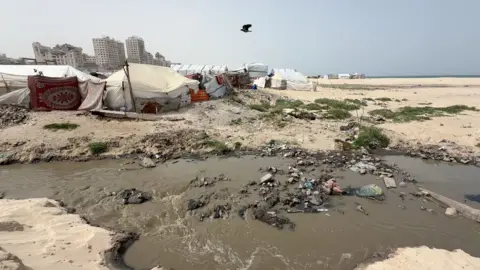
Environmental conditions within the camps have created an ideal breeding ground for pest proliferation. The unsanitary conditions in refugee camps stem from multiple interconnected factors including inadequate sanitation facilities, limited waste management capabilities, and the sheer density of human occupation in confined spaces. With thousands of families compressed into areas with insufficient infrastructure, proper waste disposal has become nearly impossible, creating abundant food sources and shelter for rodents and other vermin seeking to establish colonies within the camp perimeter.
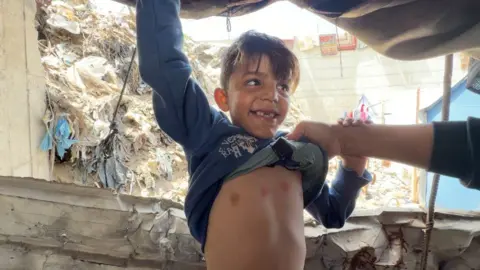
Humanitarian organizations working in the region have documented escalating complaints from camp residents regarding nocturnal encounters with aggressive rodents. Families report waking to find rats crawling over sleeping children, with multiple incidents of bites causing injuries that require medical attention. The psychological toll of living under constant threat from these creatures has added significant stress to populations already traumatized by displacement and loss. Parents express profound anxiety about their children's safety, particularly given the inability to secure adequate protection against pests in the makeshift shelters that constitute camp housing.
The presence of weasels and rodents in Gaza camps extends beyond simple property destruction or discomfort—these animals pose measurable threats to food security and nutritional integrity. Camp residents report that stored food supplies are frequently contaminated or consumed by pests, resulting in lost calories and essential nutrients for malnourished populations. Grain stores, protein sources, and prepared meals left unguarded for even brief periods fall victim to rodent activity, forcing families to discard contaminated food and further stretching already inadequate rations.
Managing pest infestations in displacement camp settings presents extraordinary logistical and practical challenges for humanitarian responders. Traditional pest control methods require resources, expertise, and regulatory oversight that are simply unavailable in Gaza's current context. The lack of proper pest management infrastructure, combined with limitations on importing chemical pesticides and rodent control devices, has left camp authorities largely powerless to address the proliferating problem through conventional means. Each potential intervention faces obstacles ranging from supply chain disruptions to safety concerns regarding pesticide use in densely populated residential areas.
Camp administrators have attempted various community-based solutions to mitigate the pest crisis, focusing on improved sanitation practices and waste management protocols. These efforts, while well-intentioned, face substantial obstacles given the sheer volume of human waste generated daily and the limited infrastructure available for proper disposal. Educational initiatives aimed at teaching residents proper food storage techniques and basic pest prevention measures represent critical components of the response strategy, yet their effectiveness remains limited by the fundamental shortage of adequate facilities and resources.
The health implications of pest infestations in Gaza extend far beyond the immediate risk of disease transmission. Medical professionals in the camps report that pest-related injuries, from bites and scratches to allergic reactions and infections, consume valuable healthcare resources and create additional patient burdens. Children appear particularly vulnerable to severe consequences from pest encounters, with cases of infected bites requiring antibiotic treatment straining medical supplies already stretched to breaking point by trauma injuries and chronic disease management.
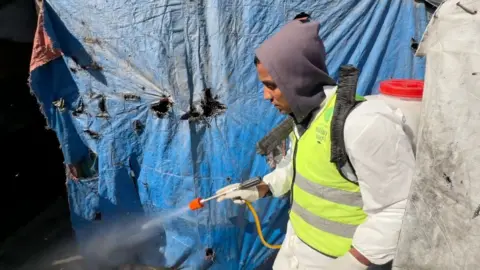
International humanitarian organizations have begun prioritizing pest management as part of their emergency response protocols, recognizing that controlling rodent and pest populations in refugee settlements represents a critical public health intervention. Some organizations have initiated community-based pest control training programs, teaching residents how to construct simple traps and employ preventative measures using available materials. Others have worked to establish designated food storage areas with enhanced protection against pest infiltration, though scaling such initiatives across all camps remains a significant challenge given funding and logistical constraints.
The situation reflects broader systemic failures in providing adequate humanitarian assistance and living standards for displaced populations. When families are forced into overcrowded camps with inadequate sanitation, waste management, and food storage infrastructure, pest infestations become an inevitable consequence rather than an isolated problem. Addressing this crisis requires not merely tactical pest control measures but fundamental improvements in camp conditions and resource allocation to ensure displaced persons can access basic dignity and safety standards.
Looking forward, humanitarian stakeholders emphasize that sustainable solutions to the pest crisis in Gaza's displacement camps must incorporate both immediate interventions and longer-term infrastructure improvements. This includes securing funding for pest control supplies, enhancing sanitation infrastructure, improving food storage capabilities, and training local personnel in integrated pest management techniques. Without these comprehensive improvements, the cycle of pest-related suffering will likely persist, adding another layer of burden to families already enduring extraordinary hardship.
The battle against rats and weasels in Gaza's displacement camps stands as a powerful symbol of the cascading humanitarian challenges facing the region. These pests represent not merely a nuisance or a public health threat, but rather a symptom of the broader collapse in living conditions and support systems for the territory's most vulnerable populations. As the humanitarian emergency continues to unfold, addressing the pest crisis alongside providing adequate food, water, shelter, and medical care remains essential to preserving human dignity and preventing additional suffering among Gaza's displaced families.
Source: BBC News


