
Gaza Sisters Transform Rubble Into Sustainable Building Bricks

Two displaced Palestinian teenagers innovate a sustainable solution by converting war debris into reusable construction materials, earning recognition for their environmental initiative.
In the heart of Gaza, two remarkable teenage sisters have turned their displacement and loss into an inspiring environmental initiative that has garnered international recognition. Farah and Tala, determined to find purpose amid destruction, launched an innovative project aimed at converting the widespread rubble left by conflict into reusable building bricks. Their visionary approach combines environmental sustainability with practical construction solutions, addressing two critical challenges facing their community: the overwhelming debris crisis and the acute shortage of building materials.
The sisters' journey began with a simple yet powerful motivation: to turn destruction into something useful. Rather than viewing the devastation surrounding them as merely a symbol of loss, Farah and Tala recognized an opportunity to create meaningful change. Their initiative represents more than just an engineering solution; it embodies the resilience and ingenuity of young Palestinians determined to rebuild their communities in sustainable ways. The project has attracted considerable attention from environmental advocates and construction experts who recognize its potential impact on both immediate reconstruction needs and long-term ecological benefits.
The process of converting rubble into sustainable bricks involves careful sorting, crushing, and processing of debris from destroyed buildings. The sisters have worked to develop a method that maximizes the usable material from construction waste while minimizing environmental impact. By creating bricks from existing rubble rather than requiring new raw materials, their approach significantly reduces the demand for newly extracted resources. This innovation demonstrates how crisis situations can catalyze creative problem-solving and technological advancement among young innovators willing to think beyond conventional solutions.
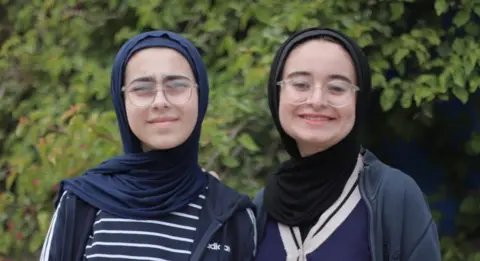
As displaced teenagers themselves, Farah and Tala understand firsthand the humanitarian dimensions of their work. Displacement in Gaza has created an ongoing housing crisis, with thousands of families left homeless or living in inadequate temporary shelters. Their project directly addresses this urgent need by producing building materials that are both affordable and locally sourced. The use of recycled materials reduces construction costs substantially, making it possible for more families to rebuild their homes and restore some semblance of normalcy to their lives.
The environmental benefits of their initiative extend far beyond the immediate community context. Construction waste recycling is recognized globally as a critical component of sustainable development and circular economy principles. Gaza, already facing severe environmental challenges due to conflict and limited resources, stands to benefit enormously from widespread adoption of such practices. The sisters' work demonstrates that environmental responsibility and humanitarian assistance are not competing priorities but complementary goals that can be achieved simultaneously through innovative thinking.
Recognition of their efforts came when Farah and Tala's project won a prestigious award, validating their commitment and drawing international attention to their work. The prize serves as acknowledgment of their technical innovation, environmental consciousness, and determination to create positive change in challenging circumstances. Such recognition is crucial for young entrepreneurs in conflict-affected regions, as it provides visibility, credibility, and often the resources needed to scale successful initiatives from pilot projects to community-wide implementation.
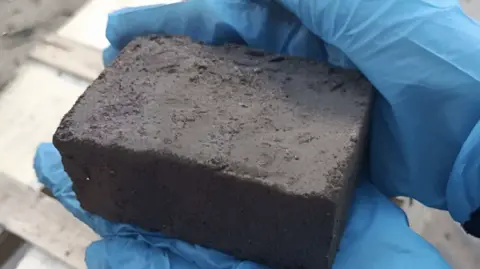
The broader implications of their project extend to sustainable development conversations happening across the Middle East and developing regions worldwide. Many areas affected by conflict face similar challenges of massive debris accumulation combined with acute building material shortages. The success of Farah and Tala's brick-making initiative provides a replicable model that could be adapted and implemented in various contexts. International development organizations and construction experts have begun studying their methodology to understand how it might be scaled and optimized for different environments and building standards.
Technical aspects of the brick production process involve several important steps that the sisters have refined through experimentation and research. The rubble must be properly crushed to appropriate sizes, sorted to remove non-usable materials, and then combined with binding agents in precise ratios. Quality control testing ensures that the produced bricks meet structural standards necessary for safe construction. The sisters have invested considerable time in understanding building codes and safety requirements, ensuring that their innovative solution is not merely environmentally sound but also practically viable for actual construction projects.
Community response to the project has been overwhelmingly positive, with local construction companies and families showing strong interest in utilizing the recycled bricks. The availability of affordable, locally-produced building materials represents a significant advantage over importing materials or waiting for international aid distribution. Furthermore, the production process has created employment opportunities within the community, with local workers trained to operate the processing equipment and manage quality control. This employment dimension adds another layer of community benefit beyond the direct provision of building materials.
The personal stories of Farah and Tala add human dimension to this innovation narrative. Both sisters have experienced displacement, loss of homes, and the trauma that accompanies conflict. Rather than allowing these experiences to be purely destructive, they channeled their pain into purposeful action. Their journey from displacement to innovation to award recognition represents an inspiring example of youth agency and resilience. In interviews, they have spoken eloquently about their hope that their project might inspire others to find constructive ways to respond to destruction and loss.
Looking forward, the sisters envision expanding their operation to increase production capacity and reach more families in need of affordable housing solutions. They are exploring partnerships with international organizations that could provide technical assistance, financial support, and market connections. Their ambitions extend beyond mere profit to genuine impact—the goal is to normalize rubble-to-resource conversion as standard practice in post-conflict reconstruction efforts. This aspiration reflects a sophisticated understanding of how individual projects can influence broader systemic change in development practice.
The recognition and awards that Farah and Tala have received contribute to a growing global conversation about youth leadership in sustainability and climate action. Their project demonstrates that young people, particularly those from marginalized or conflict-affected communities, possess valuable insights and capabilities for addressing complex environmental and humanitarian challenges. International climate advocates have highlighted their work as an example of how climate solutions can emerge from unexpected places when young people are empowered to innovate and lead.
The intersection of humanitarian need, environmental sustainability, and youth innovation that characterizes Farah and Tala's project offers lessons for development practitioners worldwide. Their success suggests that in post-conflict reconstruction, there are opportunities to simultaneously address immediate material needs and long-term environmental sustainability if creative thinking is encouraged and supported. The prize they won represents not just recognition of past achievements but also investment in future possibilities as they continue to develop and refine their transformative approach to rebuilding communities.
Source: BBC News


