
Gaza War Fears Mount as Hamas Peace Talks Collapse

Israeli forces prepare for renewed combat as negotiations with Hamas reach critical impasse. Tensions escalate over stalled disarmament discussions in Middle East conflict.
Tensions are escalating dramatically in the Middle East as Gaza conflict negotiations reach a critical juncture. According to Israeli media outlets, military officials are actively preparing contingency plans for a potential resumption of large-scale combat operations following the breakdown of ongoing Hamas peace talks. The situation underscores the fragile state of ceasefire discussions and the deep-rooted challenges facing peace efforts in the region.
The disarmament negotiations between Israeli representatives and Hamas have encountered significant obstacles, with both sides unable to bridge fundamental differences on key issues. Sources within Israeli security establishments indicate that military planners are mobilizing resources and developing strategic options in response to the deteriorating diplomatic situation. This development represents a concerning shift from recent months when cautious optimism had characterized some peace discussions.
The impasse in talks centers on several contentious issues that have repeatedly stalled negotiations. These include the scope of military drawdowns, verification mechanisms for weapons reduction, and the timeline for implementing any agreed-upon provisions. The inability of negotiators to find common ground on these crucial matters has prompted Israeli officials to consider military options as a potential path forward.
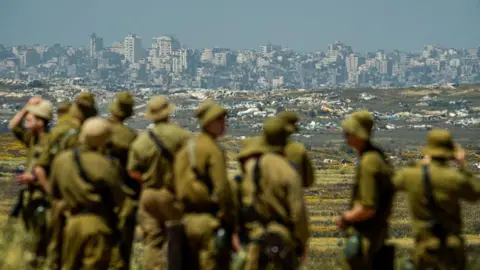
Israeli media reports indicate that the military has been instructed to prepare for resumed fighting with increased urgency. Defense officials have reportedly reviewed battle plans and assessed resource requirements for potential operations. The scope of these preparations suggests that Israeli leadership is taking seriously the prospect that diplomatic channels may fail entirely, leaving military confrontation as the only remaining option.
The Middle East peace process has experienced multiple cycles of escalation and de-escalation in recent years, creating a pattern of broken ceasefire agreements and renewed violence. This latest development fits into this troubling trend, demonstrating how quickly momentum can shift from dialogue to military posturing. Both sides have historically struggled to maintain sustained peace agreements, raising questions about whether a lasting resolution is achievable through current diplomatic frameworks.
Hamas representatives have maintained their position on key negotiating points, insisting that any agreement must include provisions for the complete withdrawal of Israeli forces from Palestinian territories and guarantees regarding the safety of civilian populations. These demands have consistently conflicted with Israeli security concerns and territorial interests, creating a fundamental deadlock that mediators have been unable to resolve.
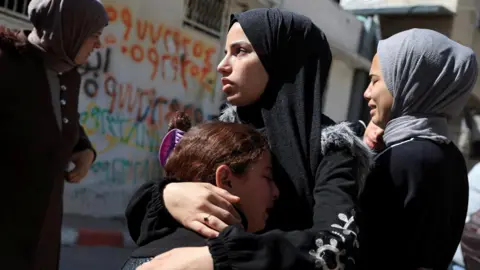
The role of international mediators, including representatives from Egypt, Qatar, and other regional powers, has become increasingly strained as the conflict escalation prospects intensify. These intermediaries have warned both sides of the consequences of failed negotiations, yet their appeals appear to have had limited impact on the fundamental positions held by Israeli and Hamas negotiators. The failure of mediation efforts raises concerns about the international community's capacity to influence outcomes in this protracted dispute.
Military analysts have noted that preparations for renewed fighting would likely involve significant mobilization of Israeli Defense Forces across multiple operational theatres. This would include air operations, ground forces, and naval assets positioned around the Gaza region. The scale of such operations would dwarf previous military actions and could result in substantial casualties and humanitarian impacts for the civilian population caught between the warring parties.
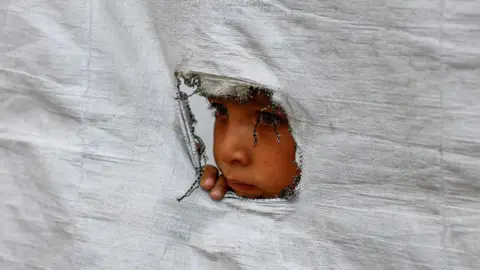
The humanitarian implications of renewed Gaza warfare are profound and far-reaching. International aid organizations have warned that civilian infrastructure, already severely damaged from previous conflicts, would face further destruction. Schools, hospitals, water treatment facilities, and power plants would likely become targets or suffer collateral damage during any resumption of hostilities, exacerbating an already dire humanitarian situation.
Regional stability concerns have intensified among neighboring countries and international observers who fear that renewed Israeli-Hamas fighting could trigger broader regional involvement. Hezbollah in Lebanon, various militias in Syria, and other armed groups have indicated they could be drawn into expanded conflicts if Israeli military operations commence. This potential for regional escalation adds another layer of danger to an already volatile situation.
The domestic political dimensions of these developments cannot be overlooked. Within Israel, political leaders face pressure from constituents demanding security guarantees and strong responses to perceived threats from Hamas. Simultaneously, Palestinian leadership faces pressure from their own constituencies to maintain firm negotiating positions and resist what some view as excessive Israeli demands. These internal political pressures have made compromise increasingly difficult.
Historical precedent suggests that previous failed negotiation cycles have often been followed by rapid military escalation. The pattern has been remarkably consistent: after months of stalled talks, minor incidents trigger larger military responses, which quickly spiral into full-scale conflict. Current warning signs—military preparations, hardened negotiating positions, and inflammatory rhetoric from political leaders—mirror these historical patterns closely.
Economic consequences of renewed fighting would extend far beyond the immediate conflict zone. Global energy markets, trade disruption, and refugee flows would impact numerous countries. The broader international community has economic interests in regional stability, yet these considerations have frequently taken a backseat to the immediate political and security concerns of the primary parties.
Religious and cultural dimensions of this conflict have historically complicated peace efforts. Sacred sites, historical narratives, and competing claims to territorial legitimacy remain deeply embedded in the dispute. Any sustainable resolution must address these fundamental issues, yet current negotiations have repeatedly struggled to move beyond these entrenched positions toward practical compromises.
The role of international law and humanitarian principles in potential military operations remains contentious. International bodies have called for respect for civilian protections and adherence to laws of armed conflict. However, enforcement mechanisms remain weak, and previous accountability efforts have achieved limited results, creating a concerning precedent for potential future violations.
As negotiations continue to deteriorate, the window for diplomatic solutions appears to be narrowing significantly. The convergence of failed talks, military preparations, and political hardening creates a concerning trajectory toward renewed violence. Without urgent intervention from international mediators and genuine willingness from both sides to compromise, the Gaza peace efforts may collapse entirely, returning the region to open conflict with unpredictable consequences for all involved parties.
Source: BBC News


