
Gaza Water Crisis Deepens: Attacks Kill Engineer, Drivers

Israeli military operations kill water infrastructure worker and transport staff in Gaza, worsening humanitarian crisis and disease outbreak risks amid hygiene product restrictions.
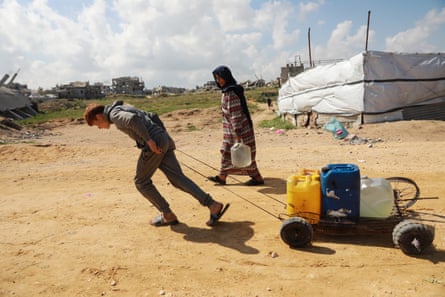
The humanitarian crisis unfolding in Gaza has reached critical levels as Israeli military operations continue to target essential water infrastructure and personnel. In a devastating blow to civilian survival efforts, Israeli forces killed a water engineer alongside two drivers responsible for transporting clean water to displaced families over a four-day period in mid-April. The loss of these crucial workers has directly undermined the already fragile water distribution network serving thousands of Palestinians sheltering in overcrowded displacement camps.
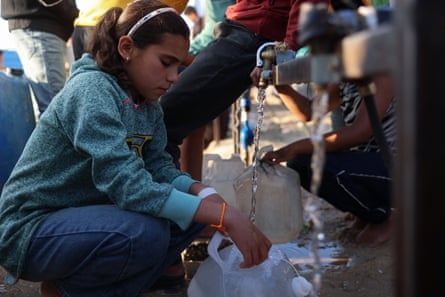
The elimination of skilled water infrastructure personnel represents far more than isolated incidents—it signals a systematic challenge to Gaza's ability to maintain basic sanitation and public health services. The water shortage crisis in Gaza has become one of the most pressing humanitarian emergencies, with families struggling to access even minimal quantities of potable water. This shortage is not merely an inconvenience but a life-threatening condition that creates ideal circumstances for waterborne diseases to flourish among vulnerable populations already weakened by displacement and malnutrition.
Beyond direct military operations affecting personnel, Israeli restrictions on humanitarian supplies have compounded the catastrophe. Limits on shipments of essential hygiene products—including soap, washing powder, and cleaning materials—have severely restricted what little resources exist within Gaza's borders. These restrictions have artificially inflated prices for basic sanitation items, placing them beyond the financial reach of most displaced families living in temporary shelters.

The convergence of personnel losses, supply restrictions, and preventable disease spread creates a perfect storm of humanitarian suffering. Overcrowded tent encampments and emergency shelters lack adequate sanitation facilities, and the inability to maintain basic hygiene standards has already sparked outbreaks of diseases that could have been easily prevented in normal circumstances. Diseases like cholera, typhoid, and acute diarrheal infections are spreading rapidly through populations with compromised immune systems and zero access to preventive measures.
Water scarcity directly correlates with disease transmission in densely populated displacement camps. When families cannot access sufficient clean water for drinking, cooking, or basic personal hygiene, pathogenic organisms spread rapidly through communities. Children are particularly vulnerable to waterborne illnesses, and medical reports indicate alarming rates of childhood illness in Gaza's shelter systems. The shortage means families must choose between drinking contaminated water and remaining thirsty—an impossible decision that no civilian should face.
The targeting of water transport workers and infrastructure personnel appears to be part of a broader pattern affecting humanitarian operations across Gaza. These workers provided vital services despite extraordinary danger, ensuring that families in remote displacement camps received regular water supplies. Their deaths represent not just a loss of skilled labor but the removal of individuals willing to take personal risk to serve their communities under extreme duress.
International humanitarian organizations have raised alarm about the cascading health consequences of Gaza's water crisis. Medical professionals operating in the territory report unprecedented rates of water-related illnesses, particularly among children and elderly populations. The inability to maintain basic hygiene has also exacerbated existing health conditions, with malnutrition and dehydration creating conditions where minor infections become life-threatening complications.
The restrictions on hygiene product imports represent a policy choice that directly impacts public health outcomes. Soap and washing powder are not luxury items—they are essential disease prevention tools. By limiting access to these materials, displaced populations lose their capacity to maintain personal and communal hygiene standards. This is particularly critical in tent camps where sanitation facilities are minimal and diseases spread through close contact with contaminated surfaces and inadequate handwashing opportunities.
Women and girls face particularly severe consequences from the water and hygiene crisis. Without adequate water supplies and hygiene products, menstrual health management becomes nearly impossible, forcing many women into unhygienic practices that increase infection risks. The psychological toll of managing basic biological needs without appropriate supplies compounds the broader trauma of displacement and loss.
The death of the water engineer highlights the specialized knowledge loss occurring in Gaza. Engineers and technical professionals possess irreplaceable expertise in maintaining water infrastructure systems. Their absence means that existing water facilities may deteriorate further, and alternative solutions cannot be designed or implemented. This represents a long-term structural degradation of Gaza's ability to serve its population, even if the immediate military situation changes.
International aid organizations continue documenting the health consequences of Gaza's humanitarian crisis, with particular focus on disease prevention failures. Water-related outbreaks have already been confirmed in multiple displacement sites, and medical professionals warn that conditions will worsen if supply restrictions persist. The convergence of military operations, supply restrictions, and personnel losses has created a scenario where disease prevention becomes nearly impossible despite the best efforts of remaining healthcare workers.
The broader implications of targeting water infrastructure workers extend beyond immediate casualties. These actions signal that civilian infrastructure supporting basic survival functions may be targeted, creating deterrence effects on other workers willing to risk their lives serving their communities. The message is clear: those attempting to maintain water systems and transport water to civilians operate under lethal threat.
As the water shortage persists and disease spreads accelerate, the humanitarian toll continues mounting. The deaths of dedicated workers, combined with supply restrictions and military operations affecting infrastructure, have created conditions where preventable suffering has become widespread. The situation demands immediate international attention and concrete policy changes to ensure that basic survival requirements—clean water and hygiene products—can reach civilian populations.
The ongoing crisis in Gaza represents a critical moment for humanitarian response and international accountability. The killing of essential personnel, restrictions on hygiene supplies, and deterioration of water infrastructure collectively demonstrate a systematic challenge to civilian survival. Without rapid intervention to address these interconnected crises, the health consequences will continue affecting Gaza's population for years to come, with vulnerable populations facing the most severe impacts.
Source: The Guardian


