
German Artist Georg Baselitz Dies at 88

Renowned contemporary artist Georg Baselitz, known for expressive paintings and sculptures, passes away at 88. His six-decade career shaped modern art.
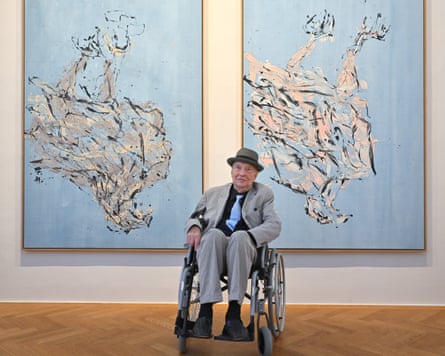
Georg Baselitz, one of Germany's most influential and provocative contemporary visual artists, has passed away at the age of 88, according to reports from local German media outlets. The artist, born Hans-Georg Kern in 1938, became a towering figure in the international art world through his distinctive approach to expressive paintings and monumental sculptures that challenged conventional artistic norms and sparked considerable debate within cultural circles worldwide.
Over the course of his remarkably prolific six-decade career, Baselitz established himself as a master of multiple artistic techniques and mediums. His work encompassed not only traditional painting and sculpture but also printmaking, drawing, and large-scale installations that demonstrated his versatility and innovative spirit. The breadth of his artistic exploration made him a central figure in discussions about contemporary visual culture and artistic expression throughout the latter half of the twentieth century and into the twenty-first century.
Baselitz's artistic journey began in post-war Germany during a period of significant cultural reconstruction and reassessment. His early works were characterized by their raw emotional intensity and figurative elements that often incorporated references to German history and identity. This thematic complexity, combined with his distinctive visual style, quickly earned him recognition among critics and collectors who appreciated his willingness to engage with difficult and provocative subject matter.

One of the most distinctive features of Baselitz's artistic approach was his use of inverted or upside-down imagery, a technique that became his signature throughout much of his career. This innovative method challenged viewers' perceptions and forced them to engage more actively with his work, moving beyond passive consumption of art. By inverting familiar forms and figures, he created a visual language that was simultaneously disturbing and mesmerizing, prompting deeper contemplation about representation, abstraction, and the nature of artistic vision itself.
The German artist's body of work consistently explored themes of identity, memory, and the human condition with a raw honesty that resonated across diverse audiences and artistic movements. His paintings, often executed with bold, gestural brushwork, conveyed a sense of urgency and emotional authenticity that distinguished them from purely conceptual or purely abstract approaches. This combination of emotional depth and formal innovation made his work particularly significant in the context of Neo-Expressionism, a movement that gained prominence during the 1970s and 1980s as a response to the perceived sterility of earlier avant-garde movements.
Throughout his career, Baselitz's work generated both admiration and controversy in equal measure. While some critics celebrated his innovative approaches and emotional intensity, others found his imagery provocative and challenging to established aesthetic standards. However, this very capacity to provoke discussion and debate ultimately contributed to his significance as an artist, as his work became central to important conversations about artistic freedom, representation, and the role of the artist in contemporary society.
Beyond his contributions as a practicing artist, Baselitz also played an important role in the international art world as a mentor and influence on subsequent generations of visual artists. His commitment to artistic integrity and his refusal to be confined by prevailing fashions or critical orthodoxy served as an inspiration to younger artists seeking to develop their own distinctive voices. Many contemporary artists cite his work as a crucial influence on their own artistic development and approach to creative expression.
The impact of Baselitz's artistic innovation extended far beyond the visual arts into broader cultural conversations about representation and meaning. His work influenced not only painters and sculptors but also theorists, critics, and cultural commentators who grappled with the implications of his formal and thematic choices. Museums and galleries around the world have featured his work in major exhibitions, and his pieces are held in prestigious collections including MoMA, the Guggenheim, and the Tate Modern, cementing his position as a major figure in art history.
His career achievements included numerous accolades and recognitions from major institutions and organizations. Baselitz participated in documenta, the world-renowned contemporary art exhibition held in Kassel, Germany, multiple times, and his work was featured in major biennales and international exhibitions throughout his lifetime. These exhibitions provided platforms for his continued exploration of artistic techniques and allowed him to reach increasingly global audiences who appreciated his contributions to contemporary visual culture.
The death of Georg Baselitz marks the end of an era for contemporary art. His passing removes from the world stage a unique artistic voice that had been active and influential for more than sixty years. The legacy he leaves behind encompasses not only the substantial body of work he created but also the intellectual and emotional frameworks he established for engaging with contemporary visual art, frameworks that will continue to influence artists, scholars, and art enthusiasts for generations to come.
In the coming weeks and months, retrospectives of his work and assessments of his artistic legacy will undoubtedly emerge from major cultural institutions and art critics worldwide. These evaluations will provide opportunities for new audiences to engage with his work and to understand more fully the significance of his contributions to modern and contemporary art. The artistic community mourns the loss of a visionary creator whose work expanded the possibilities of visual expression and challenged viewers to reconsider their assumptions about representation, meaning, and artistic value.
Source: The Guardian


